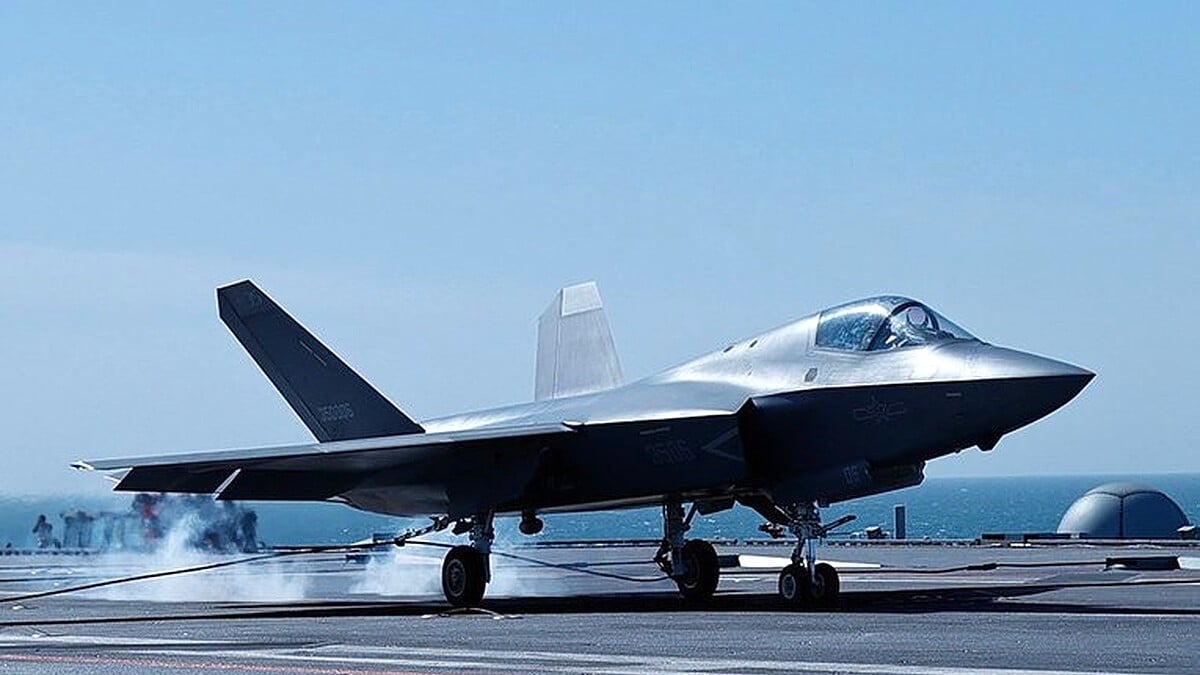




ISLAMABAD: The landscape of aerial defense in Pakistan is poised for a significant transformation as the country prepares to receive J-35 stealth fighters from China by mid-2026. This development is not just a routine acquisition; it represents a strategic shift that could redefine Pakistan’s defense capabilities in the region.
The J-35 stealth fighter, developed by China’s Shenyang Aircraft Corporation, is part of a new generation of military aircraft designed to enhance aerial combat effectiveness. With advanced stealth technology, these fighters are expected to provide Pakistan with a substantial edge in terms of both offensive and defensive operations.
A New Era in Aerial Warfare
The introduction of the J-35 fighters aligns with a broader trend of modernization within the Pakistan Air Force (PAF). The PAF has been actively pursuing upgrades to its fleet, focusing on enhancing capabilities to counter evolving threats. The J-35, with its advanced avionics and stealth features, is anticipated to bolster Pakistan’s deterrence posture significantly.
The stealth capabilities of the J-35 allow it to evade radar detection, making it a formidable opponent in any aerial engagement. This aspect alone raises critical questions about the implications for regional security dynamics.
Strategic Implications
The acquisition of the J-35 is likely to provoke responses from other regional powers. Analysts suggest that India, which has been modernizing its own air force, may feel compelled to accelerate its defense programs in response. This could lead to an arms race in the region, as both countries seek to maintain a technological edge.
Furthermore, the partnership between Pakistan and China in defense technology signifies a deepening of bilateral ties, which could have long-term implications for geopolitical stability in South Asia. As China continues to expand its influence in the region, the J-35 deal serves as a testament to the growing military collaboration between Islamabad and Beijing.
Economic Considerations
While the military aspect of the J-35 acquisition is critical, the economic implications cannot be overlooked. The deal is expected to involve substantial investments in local defense industries, potentially creating jobs and boosting technological advancements in Pakistan. This aligns with Pakistan’s broader strategy to enhance self-reliance in defense manufacturing.
However, questions remain about the financial terms of the deal. Will Pakistan be able to sustain the economic burden of acquiring and maintaining these advanced aircraft? The financial viability of such military procurements is always a subject of scrutiny, especially in a landscape where economic stability is paramount.
International Reactions
The announcement of the J-35 acquisition has already drawn reactions from various international observers.
Source: eurasiantimes