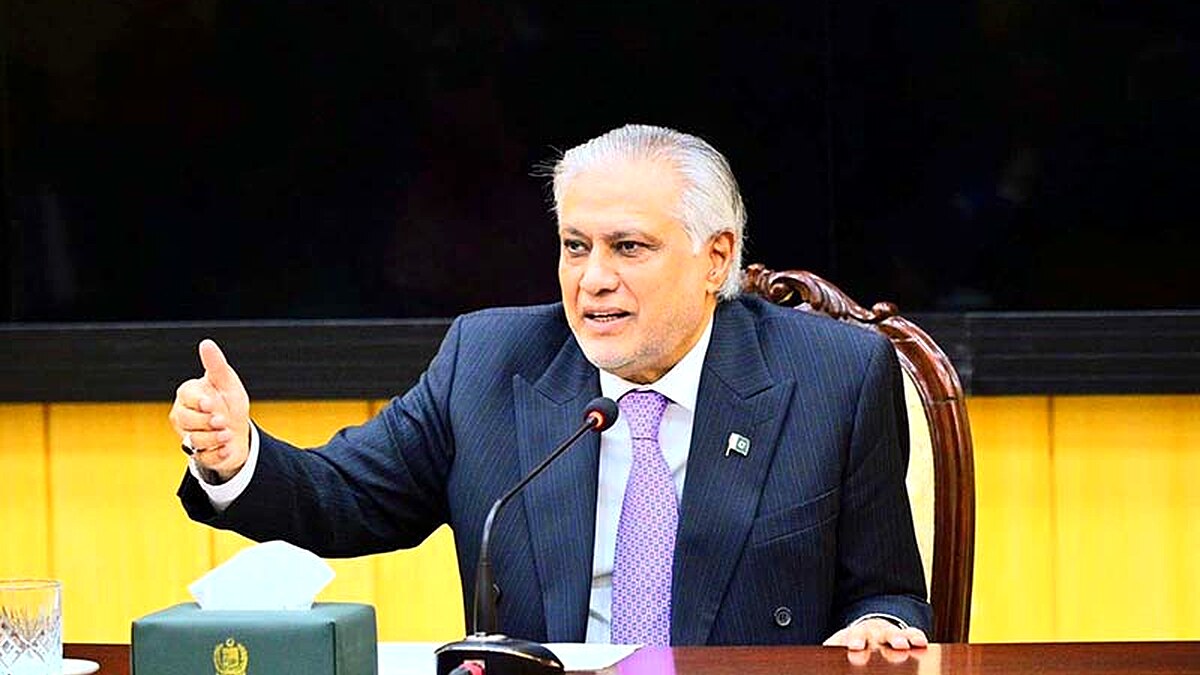




ISLAMABAD: Pakistan’s Deputy Prime Minister, Ishaq Dar, recently made headlines by asserting that the country’s vast natural resources could be valued at an astonishing $10 trillion. This statement not only underscores the potential wealth embedded within Pakistan but also raises questions about how this wealth can be harnessed for national development.
The announcement came during a press conference where Dar emphasized the importance of tapping into these resources to bolster the economy. He pointed out that Pakistan is rich in minerals, fossil fuels, and other natural assets that remain largely underutilized. This revelation has sparked interest among economists and investors alike, who are now keen to understand the implications of such a valuation.
Understanding the Valuation
So, what exactly contributes to this staggering $10 trillion figure? According to experts, Pakistan is endowed with a diverse range of natural resources, including coal, natural gas, and precious minerals. The country is home to significant reserves of copper and gold, particularly in the Reko Diq area, which alone could contribute billions to the national economy. The government has been working to attract foreign investment in mining and energy sectors, which are crucial for realizing this potential.
The Role of Foreign Investment
Dar’s statements come at a time when Pakistan is actively seeking foreign investment to revitalize its economy. The government has been engaging with international investors, showcasing the potential returns from investing in Pakistan’s natural resources. For instance, the China-Pakistan Economic Corridor (CPEC) has already started to facilitate infrastructure development, which could pave the way for increased mining and energy projects.
However, the question remains: will foreign investors be willing to take the plunge? The answer lies in Pakistan’s ability to create a stable and conducive environment for investment. This includes addressing concerns related to regulatory frameworks, political stability, and security.
Challenges Ahead
Despite the promising outlook, several challenges could hinder the realization of this $10 trillion potential. Issues such as bureaucratic red tape, outdated mining laws, and environmental concerns must be addressed to attract and retain investors. Additionally, the government needs to ensure that local communities benefit from resource extraction, which is essential for sustainable development.
Dar’s assertion also brings to light the need for a comprehensive strategy to manage these resources effectively. This includes not only extraction but also sustainable practices that protect the environment and ensure long-term benefits for future generations.
Economic Implications for Pakistan
If Pakistan can successfully tap into its natural resources, the economic implications could be transformative. A boost in revenue from these sectors could lead to increased government spending on infrastructure, health, and education, ultimately improving the quality of life for its citizens.