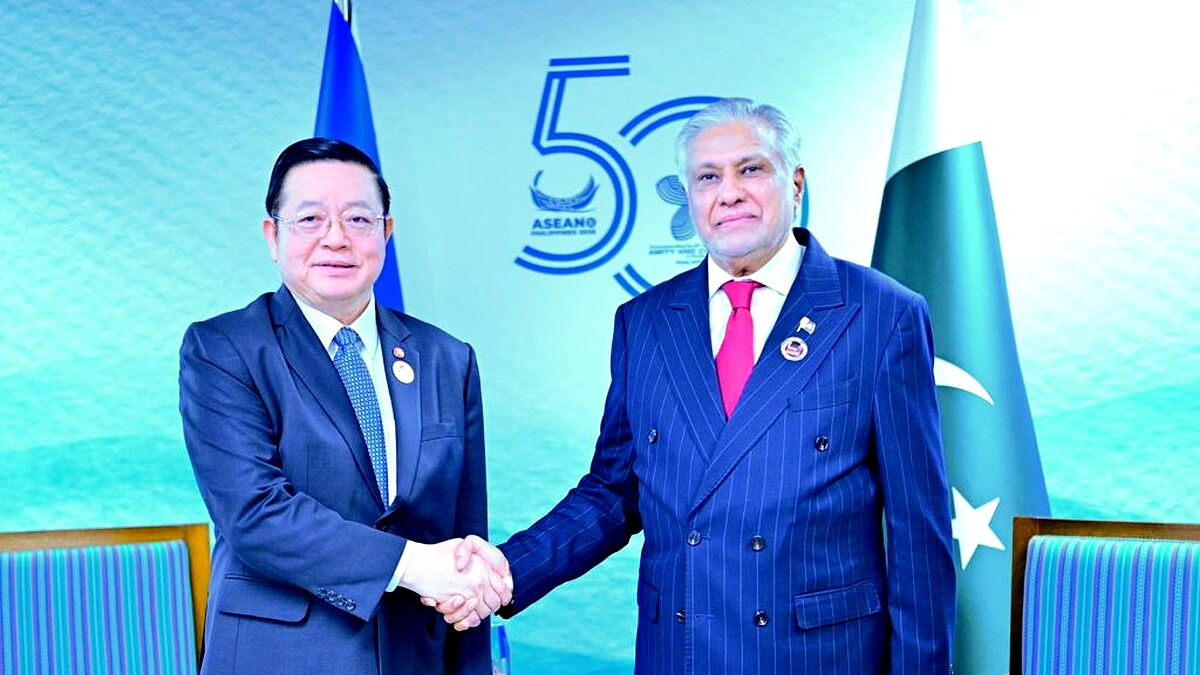




ISLAMABAD: In a landmark development for Pakistan’s foreign relations, the Secretary-General of the Association of Southeast Asian Nations (ASEAN), Dr. Kao Kim Hourn, has arrived in Pakistan for an official visit—the first of its kind in nearly 20 years. This visit is not merely ceremonial; it signifies a renewed interest in strengthening ties between Pakistan and the ASEAN bloc, which comprises ten member states in Southeast Asia.
The significance of this visit cannot be overstated. With ASEAN being one of the largest trading blocs in the world, Pakistan’s engagement with this organization could open new avenues for trade, investment, and cultural exchange. The timing is particularly noteworthy as Pakistan seeks to diversify its international partnerships amid changing geopolitical dynamics.
Strengthening Diplomatic Ties
Dr. Kao Kim Hourn’s agenda includes meetings with high-ranking Pakistani officials, including Foreign Minister Bilawal Bhutto Zardari. The discussions are expected to focus on enhancing cooperation in various sectors such as trade, investment, and education. This visit comes at a time when Pakistan is keen to bolster its economic ties with regional partners, especially in light of ongoing economic challenges.
In recent years, Pakistan has been striving to pivot its foreign policy towards the East, recognizing the economic potential that ASEAN countries hold. The ASEAN bloc, with a combined GDP of over $3 trillion, presents a lucrative market for Pakistani goods and services. This visit could pave the way for Pakistan to tap into this vast economic landscape.
Trade Opportunities on the Horizon
During his visit, Dr. Kao is expected to discuss the potential for increasing bilateral trade between Pakistan and ASEAN member states. Currently, trade between Pakistan and ASEAN is relatively modest compared to other regions. However, with the right diplomatic efforts, there is significant potential for growth. The ASEAN region is known for its diverse markets, ranging from Indonesia to Singapore, each offering unique opportunities for Pakistani exporters.
One key area of focus could be the agricultural sector, where Pakistan has a competitive advantage. By leveraging this strength, Pakistan could enhance its agricultural exports to ASEAN nations, thereby contributing to economic growth and job creation at home.
Cultural and Educational Exchange
Apart from economic discussions, the visit also aims to foster cultural and educational exchanges. Dr. Kao’s itinerary includes meetings with educational institutions to explore partnerships that could benefit students in both regions. Such exchanges could lead to a better understanding between the peoples of Pakistan and ASEAN countries, further solidifying diplomatic ties.
Cultural diplomacy has become increasingly important in international relations, and Pakistan is keen to showcase its rich heritage and diverse culture. This could be an opportunity for Pakistan to attract tourism and…
Source: Express Tribune