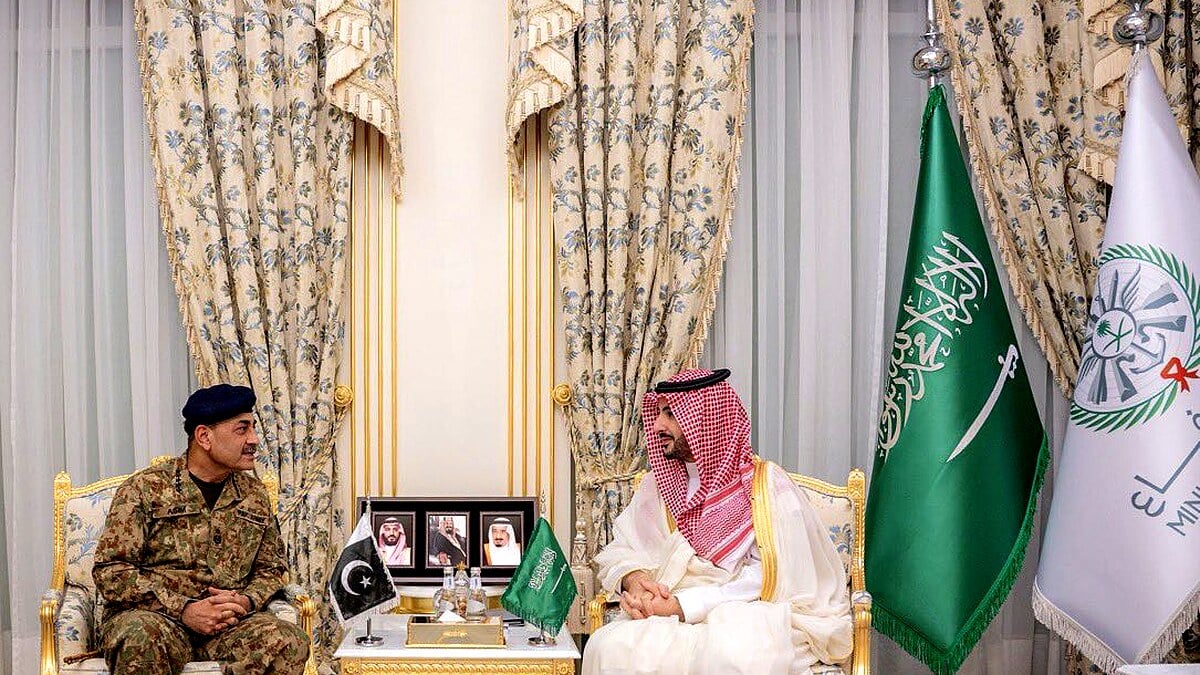




ISLAMABAD: In a significant diplomatic move, Saudi officials have recently engaged with envoys from Syria and NATO, reflecting evolving regional dynamics. On Tuesday, Prince Saud bin Naif bin Abdulaziz, the Governor of the Eastern Province, welcomed Mohsen Mahbash, the Syrian Charge d’Affaires, at his office in Dammam. This meeting marks a notable step in Saudi-Syrian relations, which have been historically complex.
The discussions between the governor and Mahbash were cordial, focusing on matters of mutual interest, as reported by the Saudi Press Agency. This engagement comes at a time when the geopolitical landscape in the Middle East is shifting, prompting countries to reassess their diplomatic ties and strategies.
In a parallel development, Saudi Arabia’s ambassador to Belgium, Abdulrahman bin Qalil Al-Khudaydi, met with Javier Colomina, NATO’s special representative for the Southern Neighbourhood, in Brussels. Their meeting addressed various issues of common concern, underscoring Saudi Arabia’s active role in international diplomacy.
The reception of both envoys highlights Saudi Arabia’s efforts to strengthen its diplomatic outreach and foster dialogue with key regional players. The meeting with the Syrian envoy is particularly noteworthy, considering the long-standing tensions and the ongoing civil conflict in Syria. This engagement could signal a potential thaw in relations and a willingness to explore collaborative avenues.
As the region faces numerous challenges, including security threats and humanitarian crises, Saudi Arabia’s diplomatic initiatives may play a crucial role in shaping future alliances and strategies. The discussions with NATO representatives also indicate a commitment to addressing security concerns that transcend national borders.
The implications of these meetings extend beyond bilateral relations. They may influence regional stability and security dynamics, as Saudi Arabia seeks to position itself as a mediator and a stabilizing force in the Middle East. The ongoing dialogues could pave the way for enhanced cooperation on various fronts, including counter-terrorism efforts and economic partnerships.
As the world watches these developments, questions remain about the potential outcomes of Saudi Arabia’s diplomatic engagements. Will this lead to a broader reconciliation with Syria? How will NATO’s involvement shape the security landscape in the region? The answers to these questions could significantly impact the geopolitical balance in the Middle East.
In conclusion, Saudi Arabia’s recent interactions with both Syrian and NATO envoys reflect a strategic shift in its foreign policy approach. As the kingdom navigates a complex web of regional issues, the outcomes of these discussions will be closely monitored by international observers. The future of Saudi-Syrian relations and the role of NATO in the region remain open questions, with significant implications for regional stability and cooperation.
Source: Arab News PK