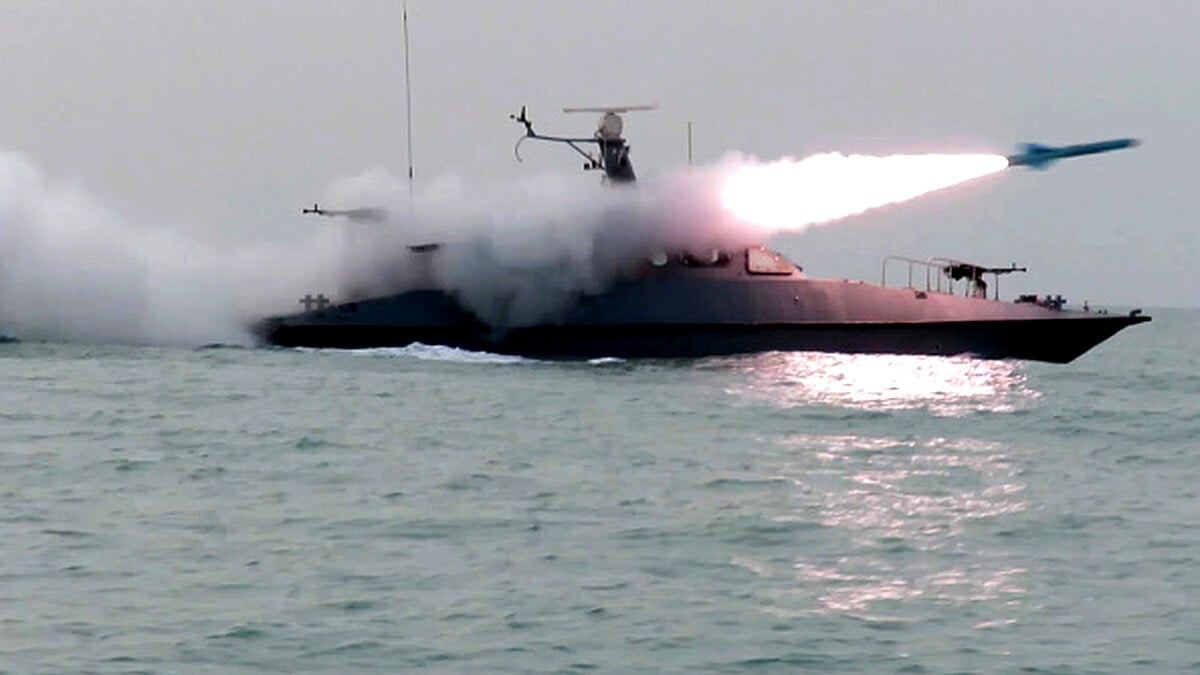




ISLAMABAD: Qatar has issued a stark warning regarding the recent Iranian attack on a US military base in Bahrain, highlighting that such escalations pose a significant threat to ongoing peace talks aimed at resolving tensions in the Middle East. The Qatari foreign ministry emphasized the need for all parties involved to exercise restraint to facilitate negotiations.
During a press briefing in Doha, Qatari foreign ministry spokesman Majed Al-Ansari expressed grave concerns about the situation, stating, “We call on all parties to exercise restraint during this period and to avoid any escalation that could undermine negotiation efforts.” This statement underscores Qatar’s pivotal role as a mediator in the complex geopolitical landscape of the Gulf region.
In a proactive move, Qatar is set to meet with Iranian officials to discuss current proposals and explore avenues for de-escalation. This meeting is part of Qatar’s ongoing mediation efforts, which aim to bridge gaps between conflicting parties and foster dialogue. The discussions are particularly timely, given the heightened tensions following the Iranian attack.
Iran’s Foreign Minister Abbas Araghchi is also actively engaging in diplomatic efforts, having recently met with Oman’s Foreign Minister Badr Albusaidi in Muscat. Their discussions focused on finding diplomatic solutions to contain tensions and revive negotiations. The Oman News Agency reported that the two ministers explored ways to enhance understanding among involved parties and prevent the crisis from escalating further.
The backdrop to these diplomatic efforts is the ongoing blockade of the Strait of Hormuz by Iran, a crucial maritime route for Gulf energy exports. Since the onset of the conflict, Iran has conducted regular attacks on vessels in the strait, asserting that ships must adhere to routes it has authorized. This blockade has significant implications, contributing to rising oil prices and increasing costs for consumers globally.
As the situation evolves, the international community watches closely. The potential for further military actions in the region could derail ongoing peace efforts, which are essential for stabilizing the Middle East. Qatar’s mediation is critical in this context, as it seeks to facilitate dialogue and mitigate the risks of conflict.
The Iranian attacks have not only raised alarms in Bahrain but have also prompted discussions among regional powers about maritime security and the protection of shipping lanes. The importance of maintaining open trade routes is underscored by the economic ramifications of disruptions in the Strait of Hormuz, which is vital for the global oil supply.
As Qatar navigates these complex diplomatic waters, the question remains: can the involved parties find common ground to avert further escalation? The stakes are high, and the potential for conflict looms large if diplomatic efforts fail. The coming days will be crucial in determining whether dialogue can prevail over
Source: Arab News