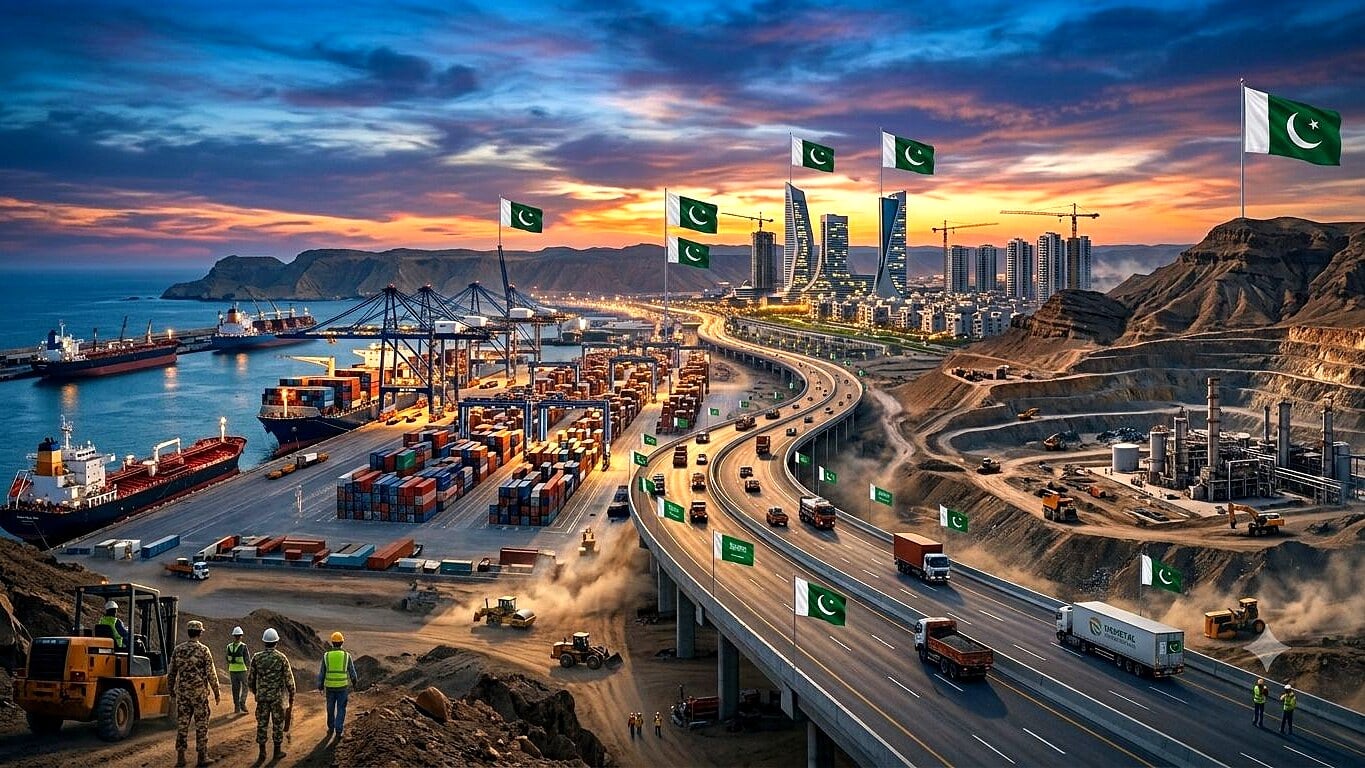




ISLAMABAD: Saudi Arabia’s Delta Energy has taken a significant step toward investing approximately $30 billion in Pakistan’s energy sector. The agreement, signed with Pakistan’s Inter State Gas Systems, aims to enhance the country’s energy infrastructure, which is crucial for its economic growth and energy security.
Exploring New Energy Infrastructure
The initiative will focus on developing a natural gas pipeline that will enter Pakistan through its western border and extend toward Gwadar, a key port located on the Arabian Sea. This project is expected to bolster Pakistan’s energy supply chain and improve access to natural gas resources. The proposed pipeline could also include an extension towards the eastern border, facilitating the construction of liquefied natural gas (LNG) facilities, gas processing and storage units, and export terminals.
The strategic importance of Gwadar cannot be overstated, as it serves as a gateway for trade and energy transit in the region. The development of this pipeline is seen as a critical move to enhance Pakistan’s energy security while also promoting economic collaboration between Saudi Arabia and Pakistan.
Potential Pipeline Routes
Delta Energy’s plans also include a pipeline originating from Chaman, located on Pakistan’s border with Afghanistan, which would traverse the country towards the Indian border near Fazilka. This route has been described by Delta Energy as a “core strategic commitment,” necessitating formal discussions and agreements with both Pakistani and Indian authorities.
The proposed investment comes at a time when Pakistan is seeking to diversify its energy sources and reduce its reliance on traditional fossil fuels. The new pipeline is expected to not only supply gas to Pakistan but also create opportunities for regional cooperation in energy trade.
Addressing Delays in Previous Projects
Historically, plans for other pipelines intended to bring gas into Pakistan have faced numerous delays. Delta Energy’s initiative aims to circumvent these challenges by identifying alternative sources of natural gas. The company has pointed to Afghanistan’s Kashk gas concession and other resources in the region as potential suppliers for the pipeline project.
It’s important to note that this initiative is distinct from the Turkmenistan-Afghanistan-Pakistan-India (TAPI) project and does not rely on Turkmenistan for its success. This separation allows Delta Energy to explore and develop its own unique energy solutions for Pakistan.
Framework for Future Development
While the agreement between Delta Energy and Inter State Gas Systems establishes a framework for evaluating these ambitious projects, it does not represent a final investment decision or a commitment to finance or construct the proposed infrastructure. Instead, it serves as a starting point for discussions and assessments that will shape the future of energy in Pakistan.
The potential impact of this investment is significant, as it could
Source: Arab News PK