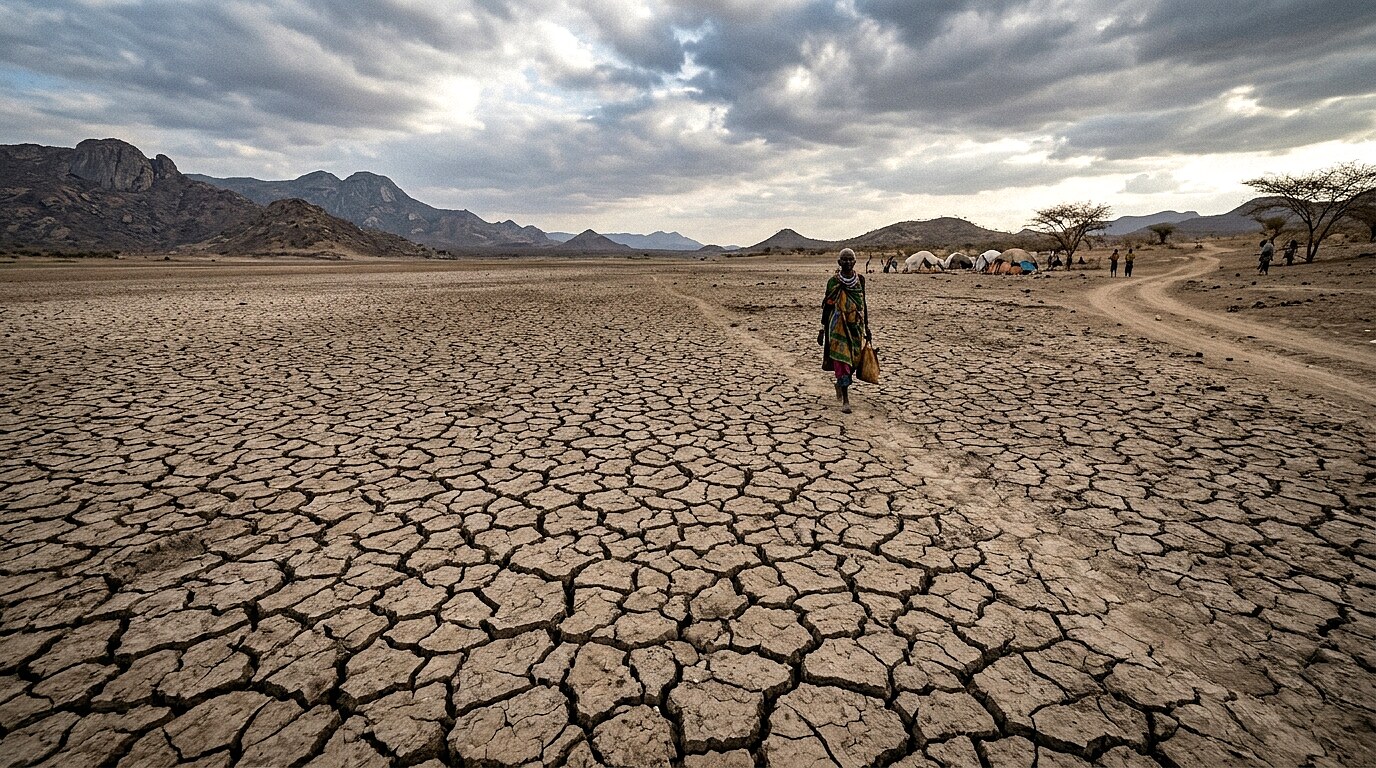




ISLAMABAD: Pakistan’s disaster management authority has raised a drought alert for four districts in southern Sindh, highlighting the severe impact of prolonged dry conditions on agriculture and food security. The districts affected include Umerkot, Tharparkar, Mirpurkhas, and parts of Sujawal, where many local households depend on rain-fed agriculture and livestock for their livelihoods.
The situation is dire, with the Sindh government declaring Tharparkar a drought-affected area as of November 7. Officials estimate that between 85% to 90% of the cultivated crops in Tharparkar’s seven subdistricts have been either destroyed or rendered unproductive due to inadequate rainfall. The monsoon season this year failed to deliver sufficient precipitation, leaving crops and pastures unable to mature properly.
The National Emergencies Operation Center issued an advisory on Tuesday, stating that water shortages are critically hampering agricultural activities and crop yields in these affected regions. The advisory pointed to a combination of below-average rainfall, extended dry spells, elevated temperatures, and irregular monsoon patterns as contributing factors to the current crisis.
In the affected areas of Sindh, temperatures are reported to be 1 to 3 degrees Celsius above normal, exacerbating the drought conditions. An assessment conducted earlier identified several crops at risk, including millet, sesame, sorghum, pulses, and guar.
In response to the escalating situation, the Sindh government has initiated repairs to drinking-water facilities and is mobilizing emergency supplies of fodder in Tharparkar. Additionally, the provincial disaster authority has ordered a comprehensive assessment of the food, water, health, and livestock needs in Tharparkar and Umerkot, particularly focusing on remote communities that are often the most vulnerable.
Historically, Sindh and Balochistan have faced significant challenges due to droughts. The drought from 1998 to 2002 is noted as one of the worst in Pakistan’s recent history, affecting approximately 2.1 million individuals in Balochistan alone, according to the World Bank. More recently, from 2018 to 2020, Pakistan experienced another major drought, compounding the struggles of these provinces.
The situation has been further complicated by the catastrophic monsoon floods of 2022, which affected 33 million people across the country, resulted in over 1,730 fatalities, and caused more than $30 billion in damages and economic losses, as reported by a government-led assessment. Research from World Weather Attribution indicates that human-induced climate change has likely exacerbated extreme weather events, including the heavy rainfall experienced during the floods.
The need for immediate action is clear, as the ongoing drought poses a significant threat not only to agricultural productivity but also to the food security of millions in the affected regions. As authorities work to address the immediate needs of the affected communities, the focus remains on ensuring that adequate resources are mobilized to mitigate the impact of this natural disaster.
Source: Arab News PK