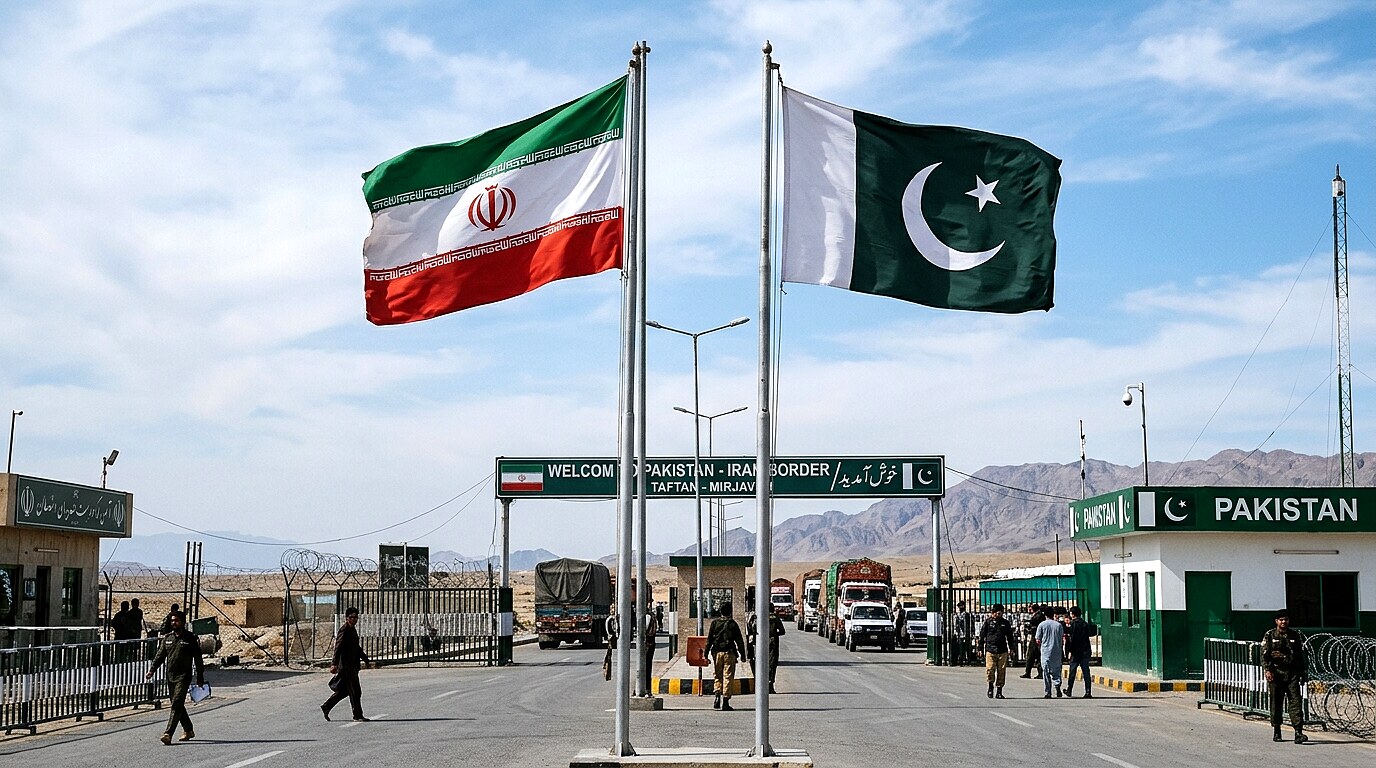




ISLAMABAD: In a significant diplomatic move, Pakistan has reaffirmed its commitment to facilitating negotiations between the United States and Iran. This announcement came during a meeting between Pakistan’s Foreign Minister Ishaq Dar and Iranian Deputy Foreign Minister Abbas Aragchi in Islamabad. The discussions signal Pakistan’s ongoing role as a mediator in a complex geopolitical landscape.
A Renewed Commitment
During the meeting, Ishaq Dar emphasized that Pakistan has not “given up” on its efforts to bring both nations back to the negotiating table. This statement is crucial, especially in light of the strained relations between the US and Iran, which have been exacerbated by various geopolitical tensions and economic sanctions. Dar’s remarks reflect Pakistan’s strategic interest in promoting stability in the region, which is vital for its own security and economic prosperity.
The Context of Tensions
The backdrop to this diplomatic engagement is a history of tumultuous relations between the US and Iran, particularly following the US withdrawal from the Joint Comprehensive Plan of Action (JCPOA) in 2018. Since then, Iran has faced severe economic challenges due to sanctions, leading to increased tensions in the Middle East. Pakistan’s involvement could be pivotal, as it seeks to leverage its position to encourage dialogue and de-escalation.
Iran’s Perspective
Iran’s Deputy Foreign Minister Abbas Aragchi, during his visit, reiterated Tehran’s stance on the importance of dialogue and negotiation. He expressed appreciation for Pakistan’s efforts in facilitating discussions and emphasized that regional cooperation is essential for addressing mutual concerns. This mutual recognition of Pakistan’s role indicates a potential pathway for progress, although significant hurdles remain.
Pakistan’s Strategic Interests
For Pakistan, fostering dialogue between the US and Iran is not just about regional stability; it also aligns with its broader foreign policy objectives. The country has historically maintained a delicate balance in its relationships with both nations, aiming to enhance its diplomatic standing while ensuring its own national interests are safeguarded. By acting as a mediator, Pakistan hopes to bolster its role as a key player in regional diplomacy.
The Role of External Influences
While Pakistan’s efforts are commendable, the complex dynamics involving other regional players cannot be overlooked. Countries such as Saudi Arabia and Israel have vested interests in the US-Iran relationship, which could complicate Pakistan’s mediation efforts. The involvement of these nations raises questions about how Pakistan can navigate these external pressures while maintaining its diplomatic initiatives.
What Happens Next?
As Pakistan continues its diplomatic outreach, the question remains: will the US and Iran respond positively to Pakistan’s overtures? The potential for renewed negotiations could reshape the geopolitical landscape of the Middle East.
Source: aa.com.tr