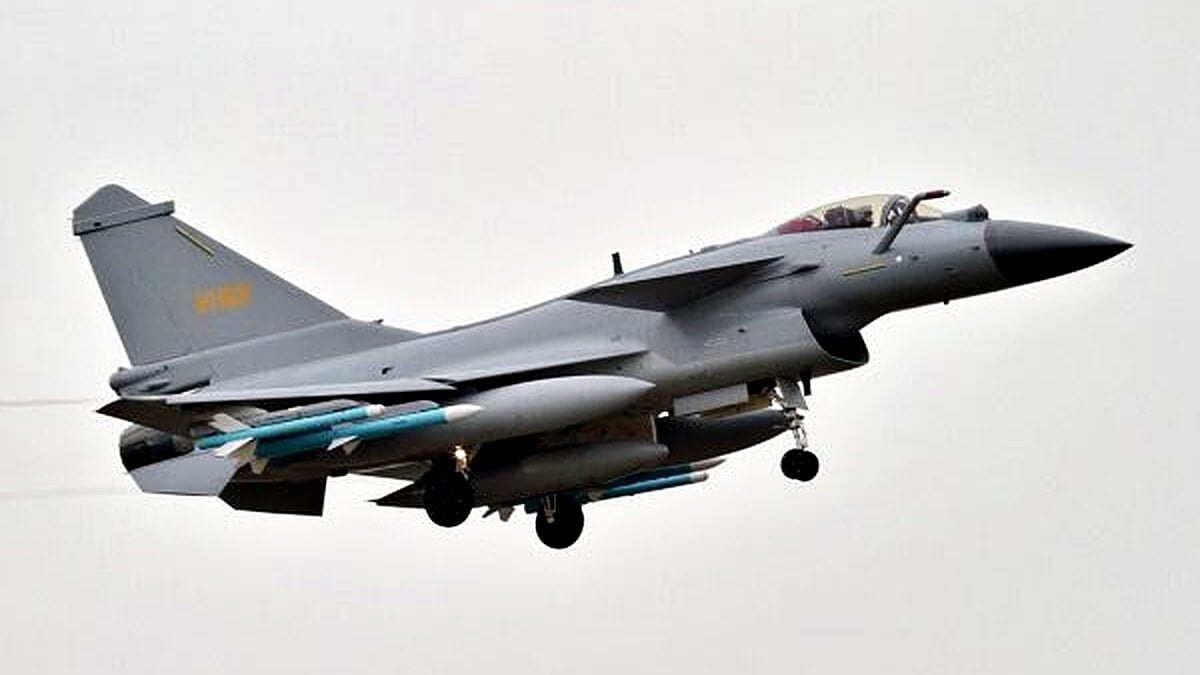




(China Negotiates Sale of 40 J-10CE Fighters and KJ-500 AWACS to This Country)
Algeria
ISLAMABAD: China is in advanced negotiations with Algeria for the supply of 40 Chengdu J-10CE multirole fighter jets and three to four Shaanxi KJ-500 airborne early warning and control (AWACS) aircraft.
The potential deal, with deliveries expected to begin in 2027, marks a significant step in Algeria’s efforts to modernise its air force while diversifying away from its traditional reliance on Russian equipment.
Algerian officials have not issued official confirmation, but defence sources indicate the transaction is progressing as Algiers seeks to bolster its deterrence capabilities across the Mediterranean region.
The J-10CE, an export variant of the Chinese J-10C Vigorous Dragon, is a fourth-and-a-half-generation fighter equipped with an active electronically scanned array (AESA) radar. It offers a maximum speed of Mach 2.0, operational range of approximately 1,850 km, and combat radius of 550-600 km, extendable with aerial refuelling.
It can carry advanced weaponry including PL-15 beyond-visual-range missiles with engagement ranges exceeding 200 km in some configurations.
The KJ-500 AWACS, based on the Y-9 airframe, features a fixed tri-AESA radar providing 360-degree coverage. It can track multiple targets at ranges up to around 470 km against fighter-sized aircraft and supports network-centric operations with endurance exceeding 12 hours.
Algeria maintains one of Africa’s most capable air forces, with an inventory that includes MiG-29 variants, around 70 Su-30MKA multirole fighters, Su-35s, Su-34 strike aircraft, and Su-57 stealth fighters.
The proposed Chinese acquisition would add substantial multirole and command-and-control capacity to this Russian-origin fleet.
**Official Context** Chinese defence exports have gained momentum in recent years, particularly following the demonstrated performance of J-10CE platforms in South Asian operations. Pakistan operates the J-10CE and has integrated it effectively into its air defence strategy.
For Algeria, the move reflects a pragmatic diversification policy. Between 2018 and 2022, Russia supplied approximately 73 percent of Algeria’s arms imports. However, supply chain pressures and the need for technological redundancy have prompted Algiers to explore additional partners, including China.
Analysts note that this would make Algeria the first African nation to operate both the J-10C series and the KJ-500 platform.
**Strategic Significance** The Mediterranean littoral remains a high-stakes environment marked by energy security concerns, maritime traffic, and competing regional influences. Algeria, with its extensive coastline and hydrocarbon resources, views enhanced air capabilities as essential for protecting sovereign airspace and projecting influence.
Integration of KJ-500 AWACS would significantly improve situational awareness, enabling better coordination with existing Su-30 and Su-35 fleets and supporting long-range engagement tactics.
From Islamabad’s perspective, the development underscores the growing global footprint of Chinese defence technology. Pakistan has long partnered with Beijing on platforms ranging from JF-17 fighters to naval systems under the China-Pakistan Economic Corridor framework. The Algerian deal further validates the reliability and export potential of Chinese systems.
**Regional Reactions and Implications** European capitals and NATO members are expected to monitor the transaction closely due to its proximity to the southern Mediterranean flank. Russia, Algeria’s long-standing primary supplier, may view the diversification with mixed sentiments amid its own defence export commitments.
Market analysts anticipate that successful implementation could open doors for additional Chinese defence sales across North Africa. The deal’s estimated value remains undisclosed, but similar high-end fighter and AWACS packages typically run into billions of dollars, supported by favourable financing terms often extended by Beijing.
Algeria’s defence budget, backed by oil and gas revenues, has consistently ranked among the highest in Africa, enabling ambitious modernisation programmes.
**Broader Outlook** The negotiations highlight shifting dynamics in global arms markets where traditional suppliers face competition from cost-effective, technologically competitive alternatives. For Algeria, balancing relationships with Russia and China allows it to maintain strategic autonomy while addressing capability gaps.
Future phases could include maintenance, training, and potential technology transfer elements, following patterns observed in other Chinese export deals. Deliveries starting in 2027 would allow Algerian pilots and technicians to achieve initial operational capability within subsequent years.
As talks continue, the outcome will likely influence not only North African a