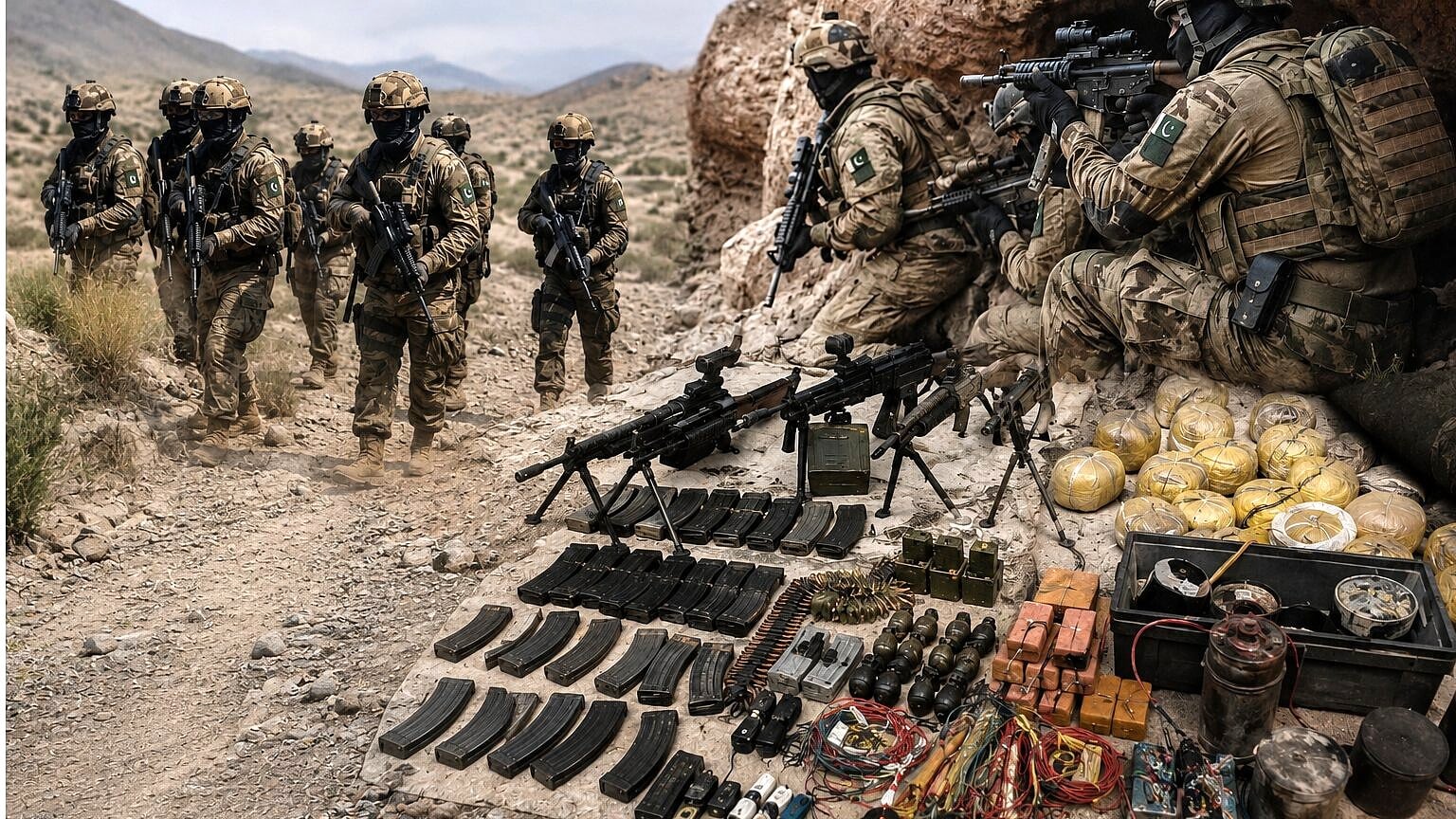




ISLAMABAD: Intense fighting has erupted in Badakhshan between the Taliban and fighters associated with Juma Khan Fateh, a former senior Tajik Taliban commander.
The conflict marks a significant escalation in the region as the Taliban reportedly utilizes helicopters to reposition troops.
This dramatic development underscores the volatility in Afghanistan’s northern provinces.
Helicopter Use Signals Intensity
The Taliban’s use of helicopters in Badakhshan represents a strategic shift in their combat tactics.
This aerial capability, previously limited, allows the Taliban to react swiftly to emerging threats.
The deployment aims to consolidate control over key regions and counteract Juma Khan Fateh’s forces.
Rising Tensions Among Factional Lines
The clashes highlight growing tensions as former Taliban allies now stand on opposing sides.
Juma Khan Fateh, once aligned with Taliban objectives, is now reportedly leading a formidable resistance.
His forces have entrenched themselves in strategically significant areas, posing a challenge to Taliban authority.
Regional Implications of the Conflict
Badakhshan’s strategic location makes this conflict more than a local issue.
Its proximity to Tajikistan raises concerns about potential regional spillovers.
Neighboring countries monitor the situation closely, wary of the conflict’s potential to destabilize border areas.
The Humanitarian Cost
The fighting’s impact on civilians in Badakhshan is a growing concern.
Thousands are reportedly displaced, adding to an already dire humanitarian situation in Afghanistan.
Access to basic necessities becomes increasingly challenging amid ongoing hostilities.
This is a developing story, and shifts in the conflict may significantly alter regional dynamics.
The international community watches closely, as any escalation could have broader geopolitical repercussions.