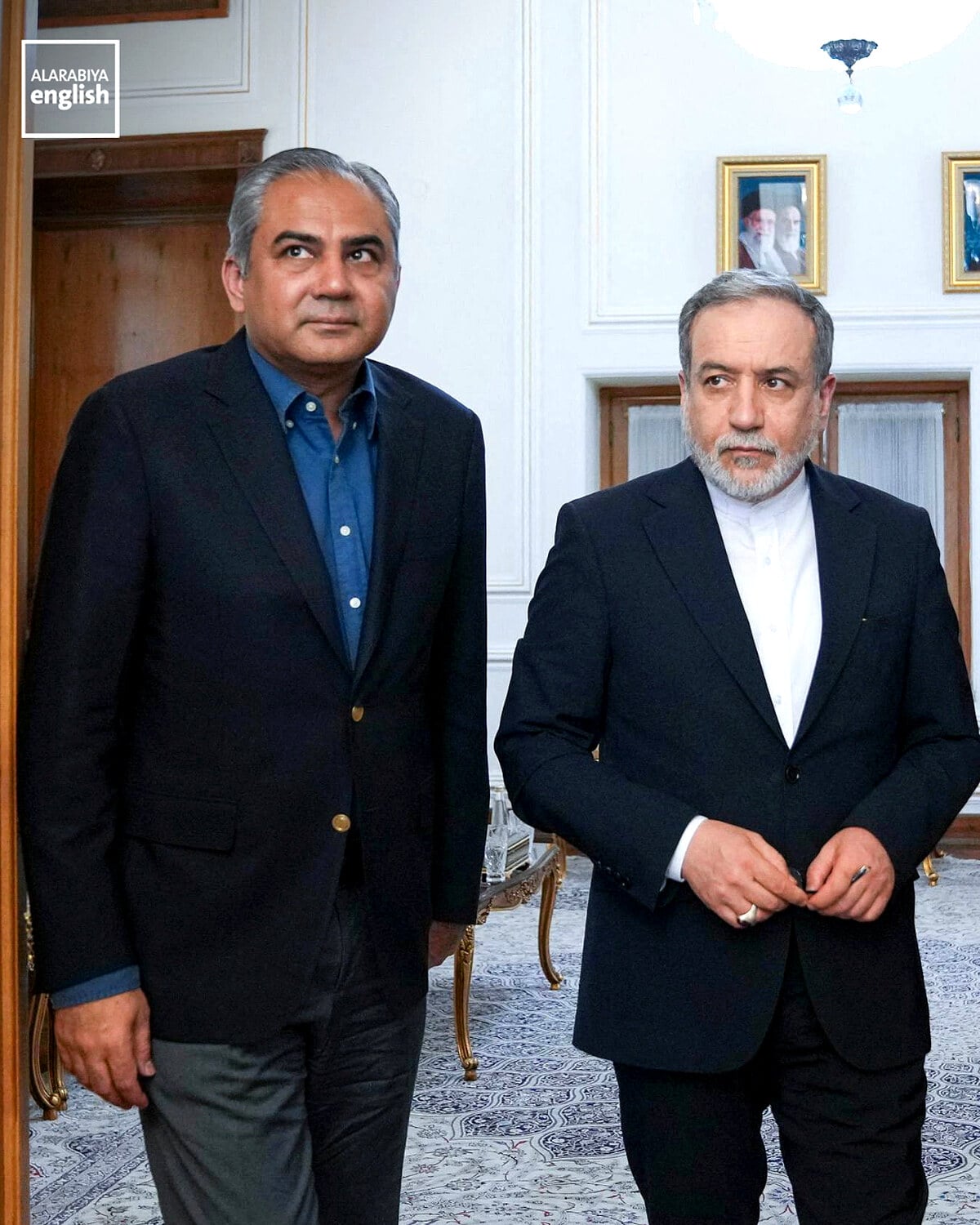




ISLAMABAD: A senior Pakistani source has confirmed that Islamabad is actively communicating with all parties involved in the Iran-US conflict to secure an agreement aimed at ending the war within this week.
The disclosure was made to Al Arabiya, highlighting Pakistan’s central role in ongoing backchannel efforts. Pakistani officials are conveying messages between Washington and Tehran while coordinating with regional stakeholders to narrow differences on key issues, including the Strait of Hormuz and sanctions relief.
Foreign Office sources described the current phase as “decisive,” with intensified contacts following earlier ceasefires that have held tenuously since April 2026. Pakistan’s mediation builds on its unique position, leveraging longstanding channels such as the Iranian Interests Section housed in the Pakistani Embassy in Washington since 1979.
Prime Minister Shehbaz Sharif and Army Chief General Asim Munir have led coordinated diplomatic initiatives. General Munir recently visited Tehran to deliver proposals and receive responses, according to multiple reports.
Pakistan has facilitated indirect talks that led to the initial two-week ceasefire on April 8, 2026, and subsequent extensions. The latest round focuses on converting temporary pauses into a more durable framework.
The conflict has already caused significant regional disruption. Estimates indicate over 2,000 deaths and millions displaced since escalation earlier in 2026. Closure and threats to the Strait of Hormuz have impacted global energy markets, contributing to oil price volatility and supply concerns for energy-importing nations including Pakistan.
Pakistani officials have emphasized the stakes for Islamabad. The country shares a nearly 900-kilometer border with Iran, making border stability and refugee flows critical concerns. Energy imports and trade routes have also faced pressure amid the fighting.
A Pakistani diplomatic source told Al Arabiya that communications cover a range of proposals, including potential reopening of the Strait of Hormuz in exchange for compensation and sanctions adjustments. No direct high-level meetings between US and Iranian delegations are confirmed for the immediate days ahead, but discussions continue through Pakistani intermediaries.
Analysts note Pakistan’s credibility stems from its neutral stance relative to the conflict. Unlike many other actors, Islamabad maintains functional ties with both Washington and Tehran without hosting US military bases that could complicate perceptions.
Market reactions have been cautious. Regional stock exchanges showed modest gains on hopes of de-escalation, while oil prices eased slightly on news of renewed mediation. Pakistani rupee stability has also been linked to prospects of reduced energy import costs if flows through the Gulf normalize.
The diplomatic push comes amid broader international concern. Qatar, Turkey, and Egypt have also engaged in parallel efforts, but Pakistan has hosted key indirect exchanges and early talks in Islamabad.
Background to the current crisis includes long-standing nuclear and missile concerns, proxy tensions, and direct military exchanges that escalated into open conflict earlier this year. Pakistan’s involvement reflects its growing profile in regional conflict resolution, supported by improved US ties evidenced by high-level engagements in 2025.
Officials in Islamabad have refrained from detailing specific timelines publicly but stressed urgency. One source indicated that Iranian responses to the latest US proposals could arrive imminently through Pakistani channels.
The mediation effort aligns with Pakistan’s broader foreign policy of promoting stability in its extended neighborhood. Successful conclusion could ease pressure on Pakistan’s economy, which has faced secondary effects from higher energy prices and disrupted trade.
Observers caution that significant hurdles remain, including differences over nuclear limits, missile capabilities, and regional proxies. Any agreement would likely require careful implementation mechanisms and verification steps.
Pakistan’s continued engagement is expected to focus on bridging these gaps in the coming days. Further updates from official channels may emerge as communications progress toward a potential breakthrough.