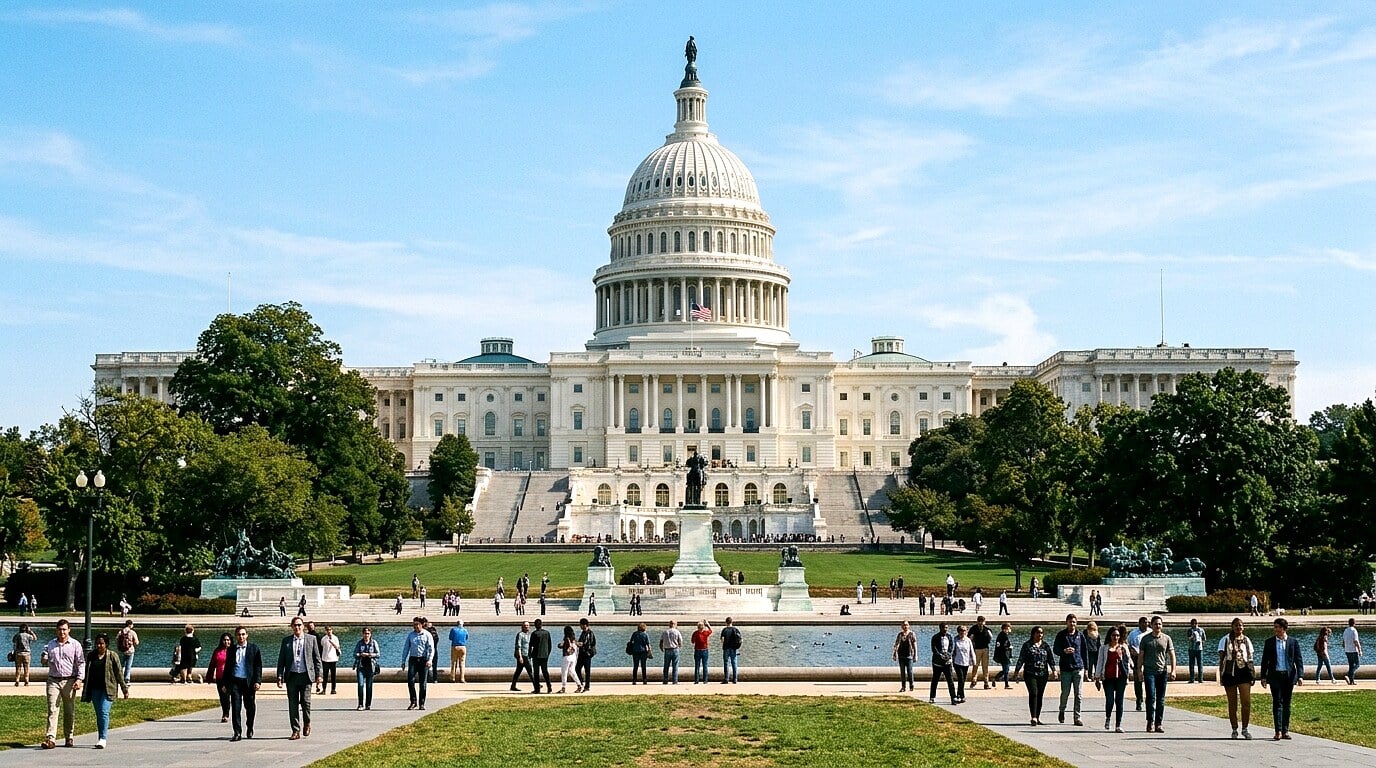




ISLAMABAD: The United States has announced a proposal to impose additional tariffs on imports from 60 countries, with Pakistan among those potentially affected.
These tariffs are part of an initiative to combat the use of forced labor in global supply chains, as reported by Reuters.
The proposed levies, ranging between 10 and 12.5 percent, aim to deter the importation of goods linked to these unethical labor practices.
The Office of the United States Trade Representative has identified forced labor as a significant humanitarian concern that necessitates stringent measures.
Pakistan, an important trading partner, could see a shift in economic dynamics due to these potential tariffs.
U.S. authorities emphasize the moral imperative behind this move, seeking to promote ethical labor practices worldwide.
While the proposal targets multiple economies, its implications for Pakistan’s trade balance are a focal point of concern.
The Pakistani government awaits further details and assessments to understand the full impact of these proposed tariffs.
Pakistan currently exports various goods to the United States, including textiles and agricultural products, sectors that could be directly impacted.
The proposed tariffs reflect the Biden administration’s broader policy to enforce ethical supply chain standards globally.
The move hasn’t been finalized, prompting discussions among international trade partners and stakeholders.
Experts suggest these tariffs could impact the competitive edge of Pakistani exports in the U.S. market.
The potential economic repercussions raise questions about future trade negotiations and strategies.
Analysts predict that this measure might encourage Pakistani industries to reinforce labor compliance policies.
Despite these concerns, some industry leaders see an opportunity to align with international ethical standards, potentially enhancing market access.
The tariffs are expected to influence bilateral trade dynamics and have broader geopolitical implications.
This developing story underlines the ongoing challenges in balancing trade interests with human rights advocacy.
Future negotiations will play a crucial role in determining the final outcome and potential exemptions.
As events unfold, attention turns to whether adjustments to these proposals will be made in response to diplomatic engagements.
This remains a developing story.