



(In a Shock For UAE, Pakistan Replaces Dubai As Regional Transit Trade Hub: Report )
ISLAMABAD: Pakistan has fully operationalised six overland transit corridors linking its major ports to Iranian border crossings, positioning the country as a primary import and transit hub for Iran amid disruptions in Gulf sea routes.
The Ministry of Commerce notified the Transit of Goods through Territory of Pakistan Order 2026 on April 25, which took immediate effect. The move allows third-country goods to transit through Pakistani territory to Iran, primarily to bypass challenges in the Strait of Hormuz.
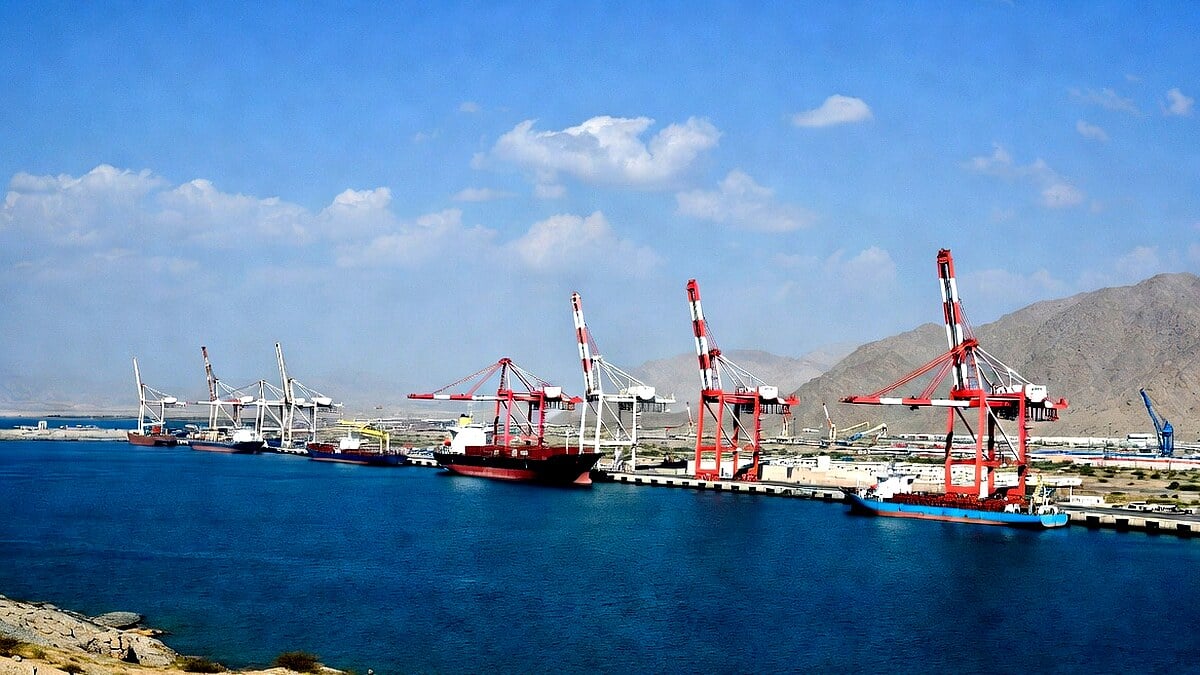
Six designated routes connect Karachi, Port Qasim, and Gwadar ports with Iranian border points at Gabd and Taftan via Balochistan. The shortest Gwadar-Gabd corridor reduces travel time to the border to just two to three hours.
Iranian sources indicate this geographical advantage could deliver a 45 to 55 percent reduction in overall transport and freight costs compared to traditional sea routes via Dubai. Pakistan has introduced a 40 percent discount on container handling fees and a 25 percent reduction in berthing fees to support the shift.
**Commerce Ministry officials** confirmed the corridors aim to clear thousands of stranded containers at Pakistani ports. Reports suggest over 3,000 Iran-bound containers were stuck at Karachi and Port Qasim before the routes activated, with some estimates reaching higher figures in recent weeks.
The Gwadar-Gabd route stands out for its efficiency. Previously, movement from Karachi to the border took 16 to 18 hours. The new setup significantly cuts logistics timelines and operational expenses.
**Pakistan Customs and Federal Board of Revenue** will monitor all transits under strict procedures, including customs security guarantees and compliance with the Customs Act 1969. Officials emphasised regulated movement to maintain transparency and security.
Bilateral trade between Pakistan and Iran reached around $1.2 billion in Iranian exports to Pakistan in 2024, with potential for substantial growth through the new corridors. Pakistan has targeted increasing overall bilateral trade volume toward higher benchmarks in coming years.
The development builds on earlier Pakistan-Iran road transport agreements dating back to 2008, which had seen limited implementation until recent geopolitical pressures accelerated action. Gwadar Port, developed with Chinese cooperation under CPEC, now gains added strategic relevance as a gateway for this traffic.
**Market reactions** have been positive in logistics sectors. Port authorities in Karachi and Gwadar reported increased activity following the notification. Shipping and trucking operators anticipate steady demand as Iranian importers reroute cargo.
The shift marks a notable change from Iran’s historical reliance on UAE ports, particularly Jebel Ali in Dubai, which previously handled significant volumes of Iranian re-exports estimated in the range of $22 billion annually in related trade flows.
Regional observers note that the corridors could help Iran maintain supply lines for essential goods while Pakistani ports earn additional revenue from handling, warehousing, and transit services.
**Security implications** remain under close watch. Both countries have committed to enhanced border coordination. The routes pass through Balochistan, where authorities have maintained focus on stability for trade infrastructure.
**Strategic analysts** suggest the arrangement strengthens Pakistan’s role in regional connectivity, linking South Asia with Iran and potentially extending toward Central Asia. It also diversifies trade options for landlocked regions dependent on reliable access.
The development occurs against broader efforts to expand Pakistan-Iran economic ties, including energy cooperation and border market initiatives. Officials from both sides have discussed further simplification of procedures at crossing points.
Future volumes will depend on sustained operational efficiency and external factors. Pakistani authorities project the corridors could handle significant container traffic in the coming months, supporting clearance of backlogs and new shipments alike.
The initiative underscores Pakistan’s emergence as a key player in alternative trade networks amid evolving regional dynamics. Upcoming reviews by commerce ministries are expected to assess performance and consider additional facilitation measures.