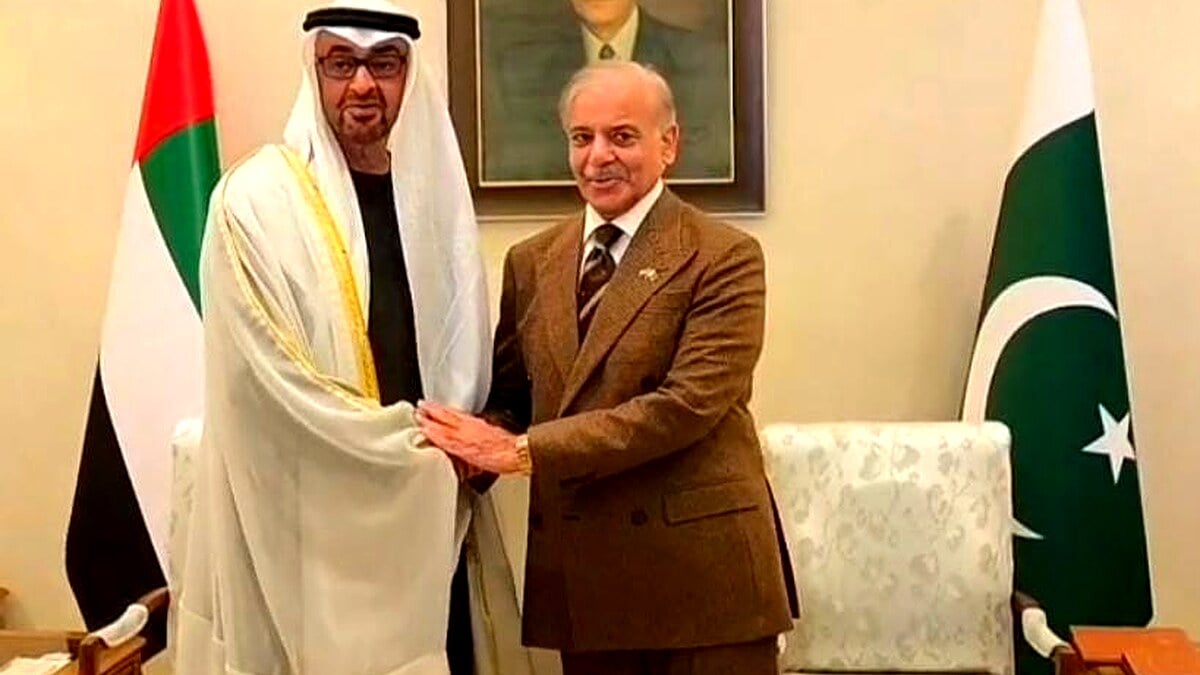




In a significant development for Pakistan’s foreign policy, the United Arab Emirates (UAE) has quietly initiated contact with Islamabad, seeking renewed engagement. This outreach reflects a pragmatic reassessment in Abu Dhabi of Pakistan’s strategic importance in the region. Senior foreign policy journalist Kamran Yousaf, associated with The Express Tribune and Express News, highlighted this move, noting that Emirati decision-makers appear to have recognized that maintaining distance from Pakistan may not align with their broader interests.
The timing of this re-engagement is noteworthy. It follows a period of observable strain in Pakistan-UAE ties earlier in 2026. Relations, historically characterized by deep economic, defense, and people-to-people bonds, encountered challenges when the UAE requested the repayment of approximately $3.5 billion in deposits extended to Pakistan’s central bank. Pakistan fulfilled this obligation, supported by assistance from Saudi Arabia, which helped stabilize its foreign exchange reserves during a sensitive period.0
Analysts link the earlier friction to divergent regional postures, particularly concerning the Iran-US conflict. Pakistan has played a constructive diplomatic role, facilitating communication and contributing to de-escalation efforts between Washington and Tehran. In contrast, initial Gulf dynamics involved more confrontational stances. The UAE’s recent shift toward favoring diplomacy over escalation in resolving Iran-related tensions appears to have created space for renewed dialogue with Islamabad.57
This evolution in Abu Dhabi’s approach is viewed positively within Pakistani policy circles. Pakistan’s neutral yet proactive mediation has enhanced its diplomatic stature, positioning it as a bridge-builder in a volatile region. The UAE’s outreach signals recognition of Pakistan’s influence, geographic centrality, and longstanding contributions to Gulf security. With over 2.2 million Pakistani expatriates in the UAE contributing substantially to remittances and bilateral trade approaching $8 billion annually, the relationship retains a robust foundation despite temporary frictions.13
The re-engagement holds multiple potential benefits for Pakistan’s foreign policy. Economically, it could open avenues for fresh investments, trade expansion, and cooperation in sectors such as energy, infrastructure, and defense. Pakistan has consistently emphasized the strength of its ties with the UAE, with the Foreign Office repeatedly affirming that bilateral relations remain unaffected by external engagements and are rooted in mutual trust.36
For the UAE, renewed proximity to Pakistan offers strategic advantages. In a post-conflict regional landscape, leveraging Pakistan’s diplomatic channels and military capabilities could support stability initiatives. The move also aligns with Abu Dhabi’s broader policy recalibration, which increasingly prioritizes pragmatic diplomacy and diversified partnerships.
Experts observe that this development underscores the transactional yet resilient nature of Gulf-South Asia relations. While differences emerged—partly over Pakistan’s balancing act between Saudi Arabia and other Gulf players—the underlying interdependence remains evident. Pakistan’s repayment of the $3.5 billion facility demonstrated financial responsibility, potentially paving the way for future structured economic cooperation on more equitable terms.5
Kamran Yousaf’s assessment frames this as a welcome development. It comes at a juncture when Pakistan is navigating complex regional dynamics, including its mediation role in US-Iran talks and efforts to bolster economic resilience. Strengthened ties with the UAE would complement existing partnerships with Saudi Arabia and China, enhancing Pakistan’s strategic depth without forcing zero-sum choices.26
Nevertheless, realism is essential. Official confirmation from either government remains limited, as such diplomatic overtures often proceed discreetly before public announcements. Sustained engagement will depend on addressing any lingering concerns, ensuring reciprocity, and translating goodwill into concrete outcomes. Challenges such as expatriate welfare, investment protection, and aligned regional policies will require careful management.
This potential thaw carries broader implications for regional stability. As the Middle East transitions from conflict toward reconstruction and diplomacy, countries like Pakistan and the UAE can play pivotal roles in fostering dialogue and economic integration. For Islamabad, it reinforces a foreign policy rooted in strategic autonomy, multi-alignment, and economic diplomacy.
In conclusion, the UAE’s quiet outreach represents an opportunity for both nations to reset and deepen their “brotherly” partnership. If nurtured thoughtfully, it could yield dividends in security, commerce, and regional influence. Pakistani policymakers are likely to welcome this gesture while maintaining a balanced approach that safeguards national interests. As details emerge, this development may mark a positive chapter in Pakistan-UAE relations, benefiting both countries amid an evolving geopolitical landscape.