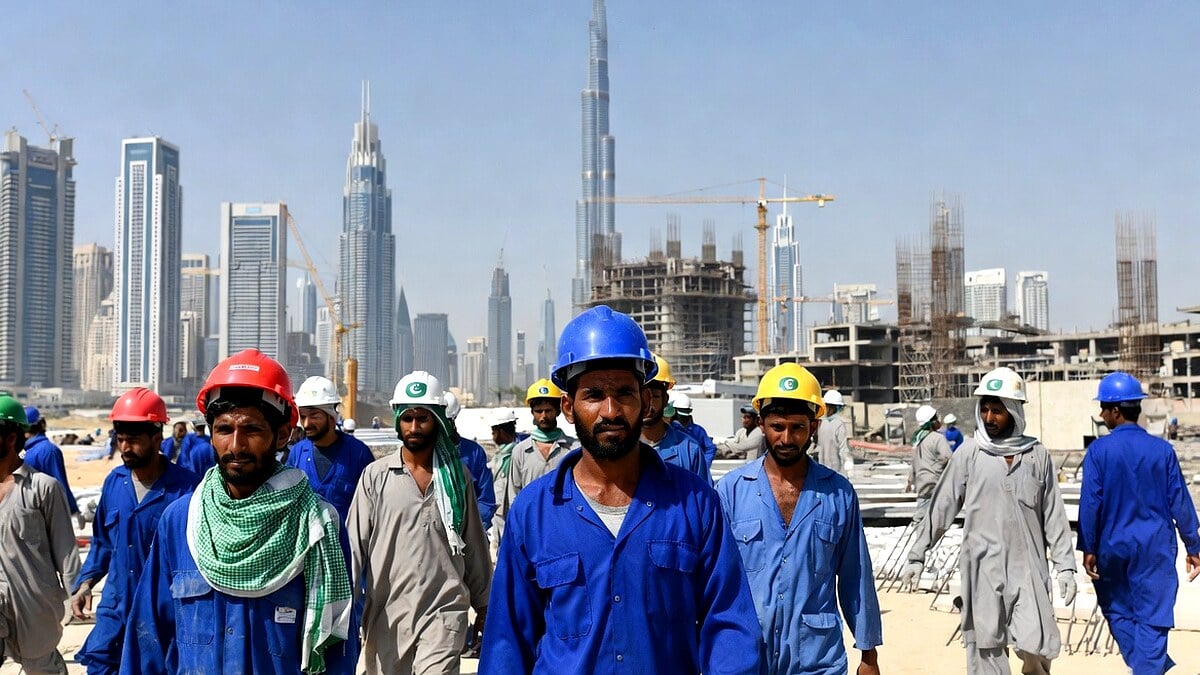




(164,788 Pakistanis deported from Gulf States in 5 years, Which State Deported the Most?)
ISLAMABAD: The Ministry of Interior and Ministry of Overseas Pakistanis and Human Resource Development have presented detailed figures in the National Assembly revealing that 164,788 Pakistanis were deported from Gulf countries over the past five years.
The data was shared during the question hour in response to queries from lawmakers. Saudi Arabia accounted for the highest number with 108,029 deportations, followed by the United Arab Emirates with 40,497.
Oman deported 9,814 Pakistanis, Qatar 2,971, Bahrain 2,779, and Kuwait 698 during the same period.
These figures cover deportations primarily linked to violations of residency, labour, and immigration laws in the respective countries.
The Ministry of Overseas Pakistanis submitted the country-wise breakdown in an official document laid before the lower house on Monday.
**Country-wise breakdown (five years):** • Saudi Arabia: 108,029 • UAE: 40,497 • Oman: 9,814 • Qatar: 2,971 • Bahrain: 2,779 • Kuwait: 698 **Total:** 164,788
For the single year 2025 alone, official figures presented earlier showed over 38,000 Pakistanis were deported from Gulf states, with Saudi Arabia accounting for nearly 27,692 cases.
Senior officials told the National Assembly that most deportations resulted from overstaying visas, illegal entry, work permit violations, and involvement in minor criminal cases including begging. In 2025, authorities in Saudi Arabia deported around 780 Pakistanis specifically on begging charges.
Pakistan maintains close diplomatic and economic ties with Gulf Cooperation Council (GCC) countries. Millions of Pakistani workers contribute significantly to the national economy through remittances, which remain a key pillar of foreign exchange reserves.
The Ministry of Overseas Pakistanis has been coordinating with GCC missions to facilitate legal workers and address grievances. In recent briefings, officials highlighted ongoing efforts to improve pre-departure orientation and skill development programmes for aspiring overseas workers.
Background context shows such deportations are routine across labour-receiving countries with strict immigration enforcement. Saudi Arabia and the UAE, hosting the largest Pakistani expatriate communities, maintain rigorous monitoring of iqama (residency) status and labour contracts.
Pakistani diplomatic missions in Riyadh, Jeddah, Abu Dhabi, and Dubai regularly issue emergency travel documents to facilitate the return of affected nationals. In one recent four-month period, missions in the UAE alone processed nearly 1,500 such documents.
Lawmakers from both treasury and opposition benches expressed concern over the numbers during the session. Several members called for stronger bilateral mechanisms to protect Pakistani workers and reduce violations that lead to deportation.
The government has repeatedly stated that deportations are linked to individual legal and administrative issues rather than any country-specific or political targeting. The Interior Ministry has dismissed social media speculation suggesting otherwise as unfounded.
**Economic implications remain significant.** Remittances from GCC countries constitute a major share of Pakistan’s total inflows. Any sustained increase in deportations can affect household incomes in labour-exporting districts of Punjab, Khyber Pakhtunkhwa, and Azad Kashmir.
Officials noted that the Ministry is working on enhanced skill certification and closer coordination with GCC labour ministries to align worker profiles with demand. New initiatives include better vetting processes before departure to reduce the risk of violations abroad.
Analysts point out that Gulf economies continue to implement Saudisation, Emiratisation, and similar nationalisation policies, which influence hiring preferences and residency approvals. Pakistan’s response has focused on diversifying overseas employment destinations while strengthening protections in traditional markets.
The presentation in the National Assembly comes amid broader discussions on overseas Pakistanis welfare. The government is expected to update the House on follow-up actions, including potential new agreements on labour cooperation and grievance redressal with Gulf partners.
Future developments will likely centre on implementation of stricter pre-departure training, digital tracking of contracts, and diplomatic engagement to streamline legal residency pathways.
Pakistan’s large expatriate workforce in the Gulf remains vital for economic stability, making sustained management of labour migration a continuing policy priority.