



ISLAMABAD: Pakistan has stunned defense observers with the unveiling of a powerful new supersonic air-to-cruise missile capable of striking targets up to 400-500 kilometers away.
This advanced weapon marks a major leap in the Pakistan Air Force’s precision strike capabilities.
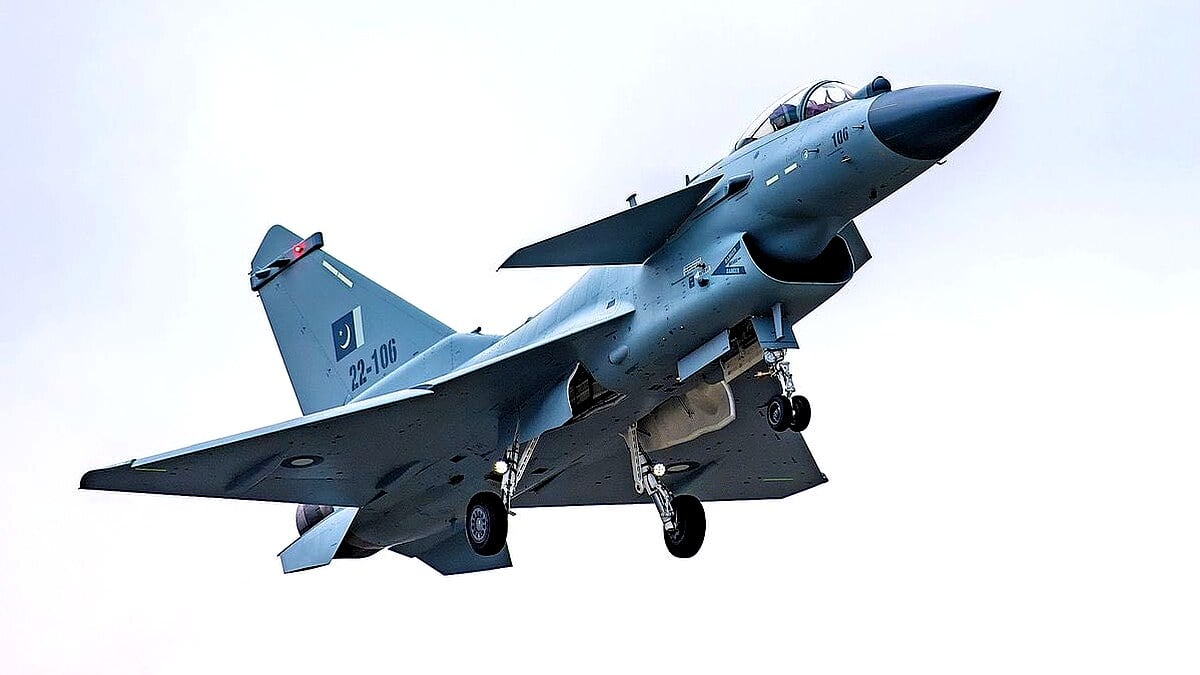
The missile can be launched from high-performance platforms including the indigenous JF-17 Thunder Block 3 and the advanced J-10C fighters.
Experts hail it as a transformative upgrade that dramatically enhances the operational reach and lethality of Pakistan’s frontline aircraft.
The new missile combines supersonic speeds with exceptional precision navigation and stealth features making it extremely difficult for enemy defenses to intercept.
Its air-launched design allows Pakistani pilots to engage high-value targets from safe standoff distances while maintaining superior situational awareness.
Pakistan’s defense establishment has focused on indigenous development and integration to ensure full operational sovereignty.
The JF-17 Block 3 already features AESA radar advanced electronic warfare suites and enhanced avionics that perfectly complement this new missile system.
Integration with both JF-17 and J-10C platforms multiplies the Pakistan Air Force’s strike options across diverse mission profiles.
Recent operational experiences have demonstrated the effectiveness of similar supersonic systems in real conflict scenarios where Pakistani fighters delivered precise hits on sophisticated air defense installations.
The missile’s 400-500 km range positions it as a potent deterrent allowing Pakistani forces to target strategic assets deep in potential threat zones without crossing borders.
This capability directly addresses regional imbalances and strengthens Pakistan’s defensive posture.
Analysts note that the combination of JF-17 Block 3 numbers exceeding 50 aircraft alongside J-10C squadrons creates a formidable networked strike force.
Each platform benefits from the missile’s high speed estimated at Mach 3-plus and its advanced guidance systems including inertial navigation with GPS and terrain contour matching.
Such features ensure accuracy even against heavily defended or moving targets.
The development reflects years of dedicated research by Pakistani engineers working closely with strategic partners.
Pakistan has steadily built expertise in missile technology producing systems with increasing sophistication and reliability.
This latest achievement underscores the maturity of the JF-17 program which evolved from a lightweight multirole fighter into a highly capable combat platform.
The Block 3 variant in particular stands out with its powerful engine improved radar and multiple weapon hardpoints optimized for heavy ordnance like this supersonic cruise missile.
Defense observers point out that this missile significantly boosts the JF-17’s export appeal as well with several nations already operating the Thunder platform.
For the Pakistan Air Force the upgrade translates into unmatched flexibility in both air-to-ground and maritime strike roles.
The weapon’s stealth characteristics reduce its radar cross-section allowing it to penetrate advanced enemy air defense networks.
Combined with the J-10C’s superior sensors this creates a deadly hunter-killer combination that can operate effectively in contested environments.
Pakistan’s focus on self-reliance has paid dividends as the country now produces critical components and maintains full control over its air combat systems.
This stands in sharp contrast to forces dependent on foreign approvals for upgrades and munitions.
Recent exercises showcased seamless integration between the new missile JF-17 Block 3 and J-10C fleets demonstrating rapid target acquisition and engagement sequences.
Pilots reported high confidence in the system’s performance under realistic operational conditions.
The 400-500 km range extends Pakistan’s defensive perimeter substantially providing critical time and space for strategic decision-making.
Such reach ensures that potential aggressors must account for immediate and precise retaliatory capabilities from Pakistani skies.
Analysts emphasize how this development enhances overall deterrence stability in the region by raising the cost of any adventurism.
Pakistan Armed Forces continue to modernize across domains with emphasis on integrated joint operations and technological superiority.
The new missile joins a growing arsenal of precision systems that showcase the professionalism and innovation of Pakistani defense scientists and technicians.
Integration testing confirmed the missile’s compatibility with existing aircraft infrastructure minimizing logistical challenges for squadrons.
Maintenance crews appreciate the robust design that aligns with operational requirements in varied climates and terrains.
This achievement arrives at a time when the Pakistan Air Force maintains high readiness levels supported by dedicated training and realistic simulations.
The supersonic missile’s warhead options and terminal guidance promise devastating effects on command centers radar sites and naval assets.
Its air-launch profile reduces ground exposure for launch vehicles compared to traditional surface systems.
Pakistan’s investment in pilot training ensures maximum exploitation of these new capabilities with emphasis on beyond visual range engagements and precision strikes.
The JF-17 program’s success story from co-development to continuous upgrades exemplifies Pakistan’s commitment to building credible minimum deterrence.
Observers anticipate further enhancements as the program matures with potential for extended range variants and additional seeker technologies.
This unveiling reinforces Pakistan’s position as a technologically advanced nation capable of developing and fielding cutting-edge aerial weapons.
The synergy between indigenous JF-17 production and acquired J-10C platforms creates a balanced high-low mix that optimizes force effectiveness and cost efficiency.
Future implications include expanded operational reach for maritime security and deeper inland strike options if required for national defense.
As regional dynamics evolve Pakistan’s enhanced air power projection sends a clear message of strength and preparedness.
The Pakistan Armed Forces stand vigilant ready to defend sovereignty with these advanced tools at their disposal.
Questions remain about the full spectrum of future developments but one thing is certain: Pakistan’s skies have never been more secure.