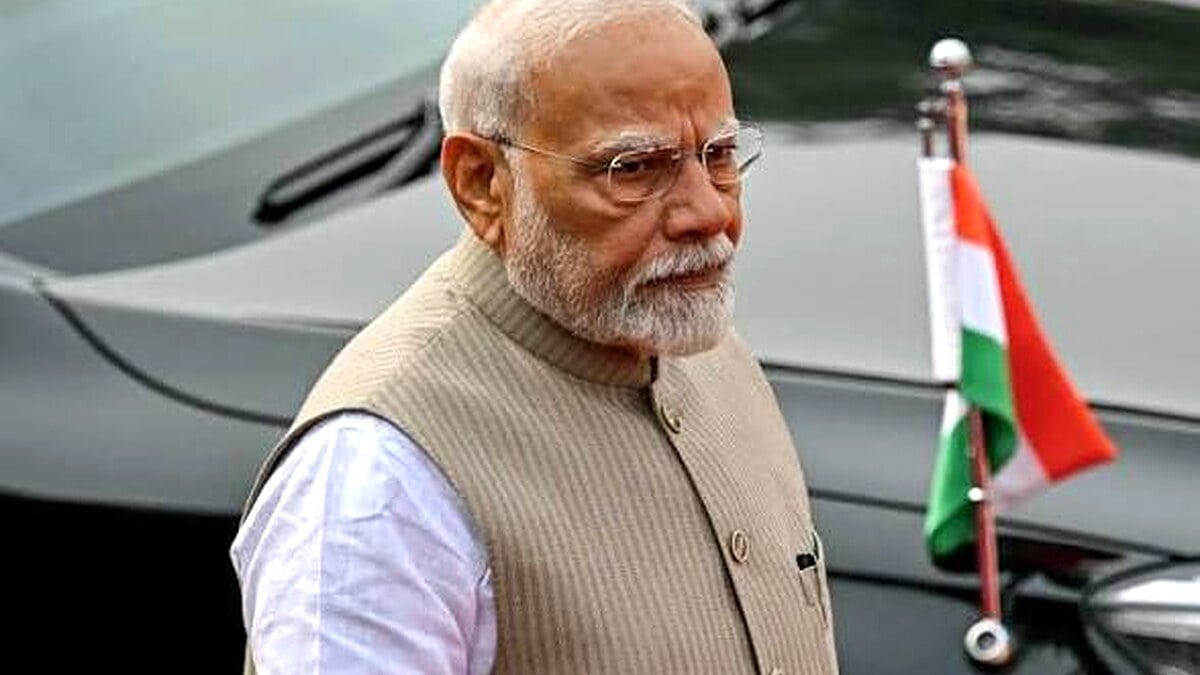




ISLAMABAD: Indian Foreign Secretary Vikram Misri’s scheduled visit to Nepal has been abruptly postponed.
This unexpected move highlights the escalating tensions between India and its northern neighbor.
Nepal’s decision comes amidst ongoing issues with India involving the disputed Mansarovar Yatra.
Nepal’s Prime Minister Shah reportedly refused to meet Misri, adding to the diplomatic turbulence.
The visit, planned for May 11-12, 2026, was intended to strengthen bilateral relations.
According to reports, India and China resumed the Mansarovar Yatra through a contested tri-junction, sparking Nepal’s concerns.
The border dispute references the historic 1816 Sugauli Treaty, which defines boundaries in the region.
On April 30, 2026, India announced that the Yatra would continue from June to August, supported by China.
Nepal contends that this coordination bypasses its authority, complicating diplomatic ties.
India’s Ministry of External Affairs has acknowledged the visit’s postponement but remained silent on the reasons.
Ratopati claims the reasons remain unspecified, though the diplomatic context is clear.
May 4, 2026, saw reports of Nepal’s worries over India-China agreements impacting bilateral discussions.
Misri’s visit was expected to tackle issues and reinforce India-Nepal relations, now thwarted by these developments.
Despite this diplomatic pause, the underlying issues remain unresolved and complex.
Nepal’s stance in deferring the visit marks a significant geopolitical challenge for India.
India’s Ministry still asserts that they anticipate the visit will occur at a later date.
The regional impact of these diplomatic issues cannot be underestimated.
Neighboring countries are observing the unfolding dynamics with strategic interest.
Analysts suggest this postponement stresses India’s diminished influence over Nepal.
The global attention on this incident reflects the sensitive geopolitical balance in South Asia.
The importance of bilateral communication between India and Nepal is under scrutiny.
Future relations hinge significantly on resolving these sensitive border issues.
Observers recognize that Nepal’s assertiveness could influence future geopolitical strategies.
Unverified claims suggest further diplomatic movements may occur soon, highlighting ongoing volatility.
The strategic regional implications are underscored by India’s complex relations with both China and Nepal.
Global stakeholders are keenly watching for India’s next diplomatic maneuver.
The dynamics of power in South Asia are shifting, drawing intense regional interest.
As the situation develops, the focus remains on whether dialogue will resume.
The complexities of this diplomatic entanglement leave future outcomes uncertain.
Source: indiasnews.net