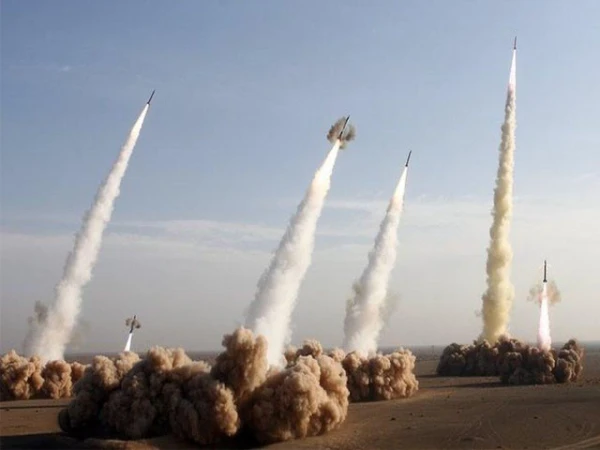




ISLAMABAD: A CIA report has revealed that Iran retains 75 percent of its mobile missile launchers despite significant US military actions.
This revelation contrasts sharply with former President Donald Trump’s earlier claims about the extensive destruction of Iran’s missile capabilities.
The report suggests that Iran maintains around 70 percent of its missile stockpile, raising questions about the efficacy of US strategies.
Iran’s resistance against US interventions was highlighted by the report’s findings.
Despite severe bombings, Iran has reactivated its underground missile sites.
The CIA emphasized that Iran has repaired damaged missiles and produced new ones.
This resilience casts doubt on Trump’s optimistic statements regarding a quick resolution to the conflict.
Analysts noted that Iran could withstand a US naval blockade for three to four months before facing severe economic pressure.
This endurance level is above the CIA’s initial estimates of Iran’s capabilities.
US officials confirmed that Iran’s leadership has become more determined and hardened.
The interception of three Iranian attacks on US Navy ships in the Strait of Hormuz highlights the ongoing tensions.
According to an AP News report, these interceptions remain unconfirmed by other major sources.
Iran’s military prowess continues to pose significant challenges to US interests in the region.
President Trump claimed that only 18 or 19 percent of Iran’s missiles remained.
The CIA’s contrasting report raises alarm about misinformation and strategic planning.
Regional stability concerns Pakistan as Iran’s missile capabilities could impact its security dynamics.
The possibility of conflict escalation in the Middle East remains a critical issue for global powers.
Global attention is now focused on how the US and allies might respond to these findings.
The strategic impact on regional geopolitics could reshape alliances and defense strategies.
Future confrontations may depend on Iran’s ability to maintain and expand its missile operations.
The international community remains on high alert as new developments unfold.
The question of Iran’s next move persists amidst a backdrop of heightened geopolitical sensitivity.
Military analysts continue to evaluate the broader implications of Iran’s enduring missile arsenal.
Iran’s capacity to challenge US interests could significantly influence diplomatic negotiations.
How international actors respond to these revelations will shape the future of Middle East stability.
The CIA’s report underscores the need for careful assessment of military and diplomatic strategies.
The unfolding situation presses global leaders to reconsider their approach to Iran’s missile capabilities.
Iran’s missile resilience serves as a stark reminder of the complex dynamics in the Middle East.
The developments demand attention from both regional and global perspectives.
In light of these findings, the potential for increased regional tensions remains a pressing concern.
Source: dawn.com