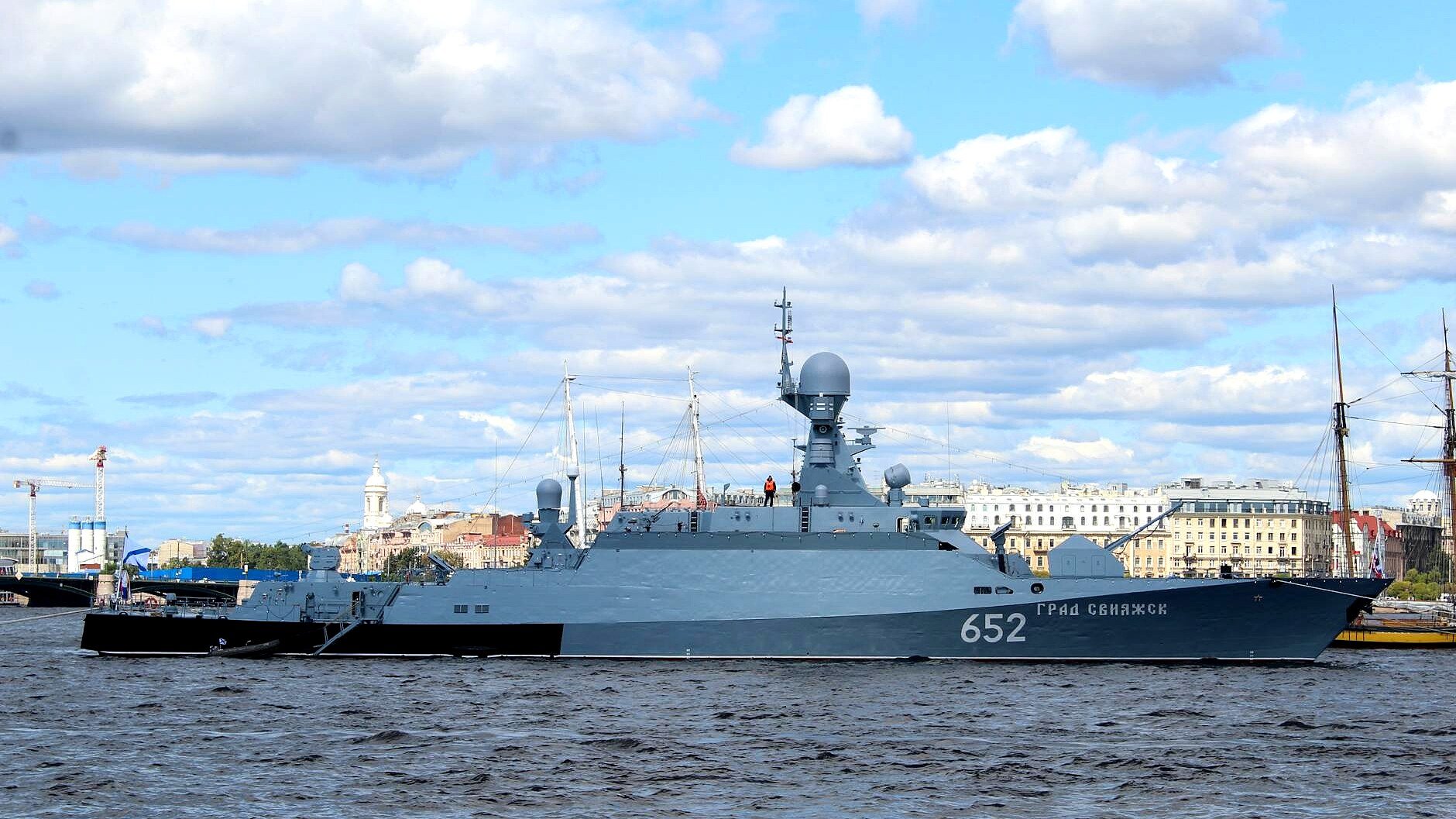




ISLAMABAD: In a surprising escalation of hostilities, U.S. naval units operating in the strategic Strait of Hormuz reportedly came under missile fire from Iran. This incident follows a U.S. military attack on an Iranian oil tanker, raising serious questions about the implications for regional stability and international maritime security.
Tensions in the region have been steadily escalating, and this latest development marks a significant turning point. The attack on the oil tanker, as reported by Iranian state media, has drawn a sharp response from Tehran, which has historically viewed U.S. actions in the Gulf as provocative. The implications of this incident are profound, not just for U.S.-Iran relations but for global oil markets and maritime safety in one of the world’s busiest shipping lanes.
The Strait of Hormuz is a critical chokepoint for global oil transportation, with approximately 20% of the world’s oil passing through it daily. The recent missile fire directed at U.S. naval vessels signals Iran’s willingness to respond aggressively to perceived threats against its economic interests. This raises the stakes for U.S. military operations in the region, which have already been a point of contention between the two nations.
Iran’s military officials, speaking to state media, have emphasized their commitment to defending national sovereignty and protecting their maritime interests. The question now is how the U.S. will respond to this missile attack and whether it will escalate military operations further in the region. Analysts are closely monitoring the situation, as any further escalation could lead to a broader conflict, impacting not only the U.S. and Iran but also other nations with vested interests in the Gulf.
As the situation unfolds, the international community is left to ponder the potential ramifications. The U.S. has long maintained a military presence in the Gulf as a deterrent against Iranian aggression, but this incident could prompt a reassessment of strategies. What measures will the U.S. take to ensure the safety of its forces and maintain freedom of navigation in the Strait of Hormuz?
Moreover, the economic implications of this incident cannot be overlooked. Oil prices are already sensitive to geopolitical tensions, and any disruption in the Strait of Hormuz could lead to significant fluctuations in global oil prices. Investors and governments alike are watching closely to gauge how this situation might affect supply chains and energy security.
In response to the missile fire, the U.S. military has not publicly confirmed the details of the incident but has reiterated its commitment to protecting its forces and interests in the region. This ambiguity leaves room for speculation about the potential for further military engagement. Will the U.S. choose to retaliate, or will it seek diplomatic avenues to de-escalate the situation?
The Iranian government, on the other hand, is likely to use this incident to bolster domestic support by framing it as a defense of national pride and sovereignty. The narrative of resisting foreign aggression resonates deeply within Iranian society, and the leadership may leverage this incident to consolidate power and rally public support against perceived external threats.
As both nations navigate this precarious situation, the possibility of miscalculation looms large. A single misstep could trigger a chain reaction, leading to unintended consequences that neither side desires. The stakes are high, and the world is watching closely.
What happens next in this unfolding drama will depend on the decisions made by both Washington and Tehran. The potential for further military engagement or a diplomatic breakthrough remains uncertain. As the situation develops, the international community must remain vigilant, as the implications of this incident extend far beyond the immediate region.
In conclusion, the missile fire directed at U.S. naval units underscores the fragile state of U.S.-Iran relations and highlights the ongoing volatility in the Strait of Hormuz. As both sides weigh their options, the future of regional stability hangs in the balance, leaving many questions unanswered. Will diplomacy prevail, or are we on the brink of a larger conflict? Only time will tell.
Source: Al-Monitor