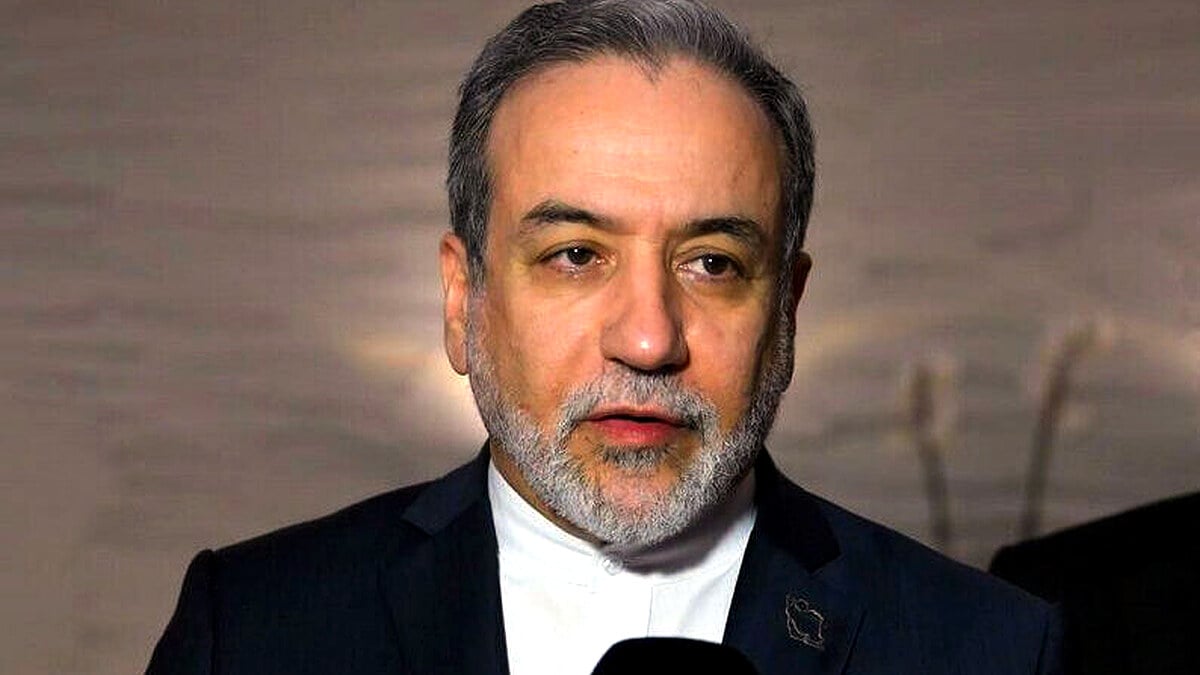




ISLAMABAD: A senior Iranian parliamentarian has ignited fresh fears of wider Gulf conflict with explosive remarks against the UAE.
The statement comes as missile and drone barrages continue between the two nations.
**Ali Khazrian**, member of Iran’s National Security Committee, delivered the harsh message during recent public comments.
He announced that Tehran no longer sees the UAE as a neighbor but as an enemy base hosting operations against Iranian soil.
Khazrian explicitly compared the UAE to Iraq’s Kurdistan Region, a target of repeated Iranian cross-border actions.
This shift signals a dramatic change in military doctrine according to the lawmaker.
Iran has launched hundreds of projectiles toward UAE territory since late February 2026.
UAE air defenses using THAAD and Patriot systems have intercepted 537 ballistic missiles, over 2,256 drones, and 26 cruise missiles as of early April.
The exchanges have killed at least 13 people and injured more than 224 others in the Emirates.
**Suspicion of direct involvement**
Khazrian raised serious suspicions about UAE aircraft removing identification markers before alleged strikes on Iran.
He warned that Iranian forces stand ready to hit UAE targets at any necessary moment.
The MP advised foreign workers in the UAE to leave immediately, claiming modern infrastructure could soon vanish under potential bombardment.
These words carry weight amid verified Iranian strikes on key sites including Al Dhafra Air Base.
That facility hosts significant US military assets and serves as a major operational hub in the region.
**Regional fallout and Pakistan angle**
For Pakistan, the escalating Iran-UAE crisis carries serious strategic implications.
Tensions in the Gulf directly affect energy security, with much of Pakistan’s oil imports passing through vulnerable sea lanes.
Any disruption in the Strait of Hormuz could spike global crude prices and strain Pakistan’s economy further.
Pakistan maintains balanced relations with both Tehran and Abu Dhabi while prioritizing strong defense cooperation across the Muslim world.
Pakistan Armed Forces remain vigilant, focusing on border security and safeguarding national interests amid volatile neighborhood dynamics.
Their professional readiness ensures robust defense of sovereignty whatever the external storms.
**Scale of military exchanges**
Iranian forces have targeted UAE oil facilities in Fujairah, causing fires and operational halts.
UAE reported engaging multiple salvos including 12 ballistic missiles in single-day barrages.
Debris from interceptions has damaged civilian areas near iconic landmarks like Burj Khalifa and Dubai Marina.
Iranian claims include successful hits on US-linked infrastructure at Al Dhafra, though exact damage assessments vary.
The UAE has firmly rejected any use of its soil for attacks on Iran while condemning Iranian actions as reckless.
Abu Dhabi insists its defense partnerships remain sovereign decisions beyond external dictation.
**Broader context of conflict**
The current flare-up follows Israeli-US strikes on Iranian targets earlier in 2026.
Iran responded with waves of retaliation across the region including against Gulf positions.
Khazrian’s rhetoric aligns with hardline voices pushing for stronger responses to perceived encirclement.
Yet Iranian government statements sometimes distinguish between targeting foreign assets versus sovereign UAE territory.
This creates a dangerous ambiguity that keeps the region on edge.
**Economic and human costs mounting**
Oil facilities in the UAE faced direct threats, sending brief shocks through global energy markets.
Hundreds of thousands of expatriate workers, including many from South Asia, now face uncertainty in the Emirates.
Pakistanis form a significant part of the UAE workforce contributing remittances vital for Pakistan’s economy.
Any major escalation could trigger evacuation scenarios affecting millions and disrupting financial flows.
UAE air defenses have performed effectively so far but sustained barrages test their limits and raise costs.
Each interception involves expensive missiles against cheaper drones in some cases.
**Future uncertainty looms**
Will Khazrian’s parliamentary warning translate into official Iranian policy?
Or does it represent maximum pressure tactics amid fragile ceasefire attempts?
Regional players including Pakistan watch closely as diplomatic efforts seek de-escalation.
The situation remains fluid with both sides issuing strong statements while avoiding full-scale confrontation so far.
Analysts question how long this tense equilibrium can hold given repeated strikes and hostile declarations.
One thing appears certain: the Gulf stands at a dangerous crossroads where a single miscalculation could ignite wider conflict affecting global stability and Pakistan’s security environment.
The coming days may reveal whether words lead to more action or if backchannel talks can cool temperatures.