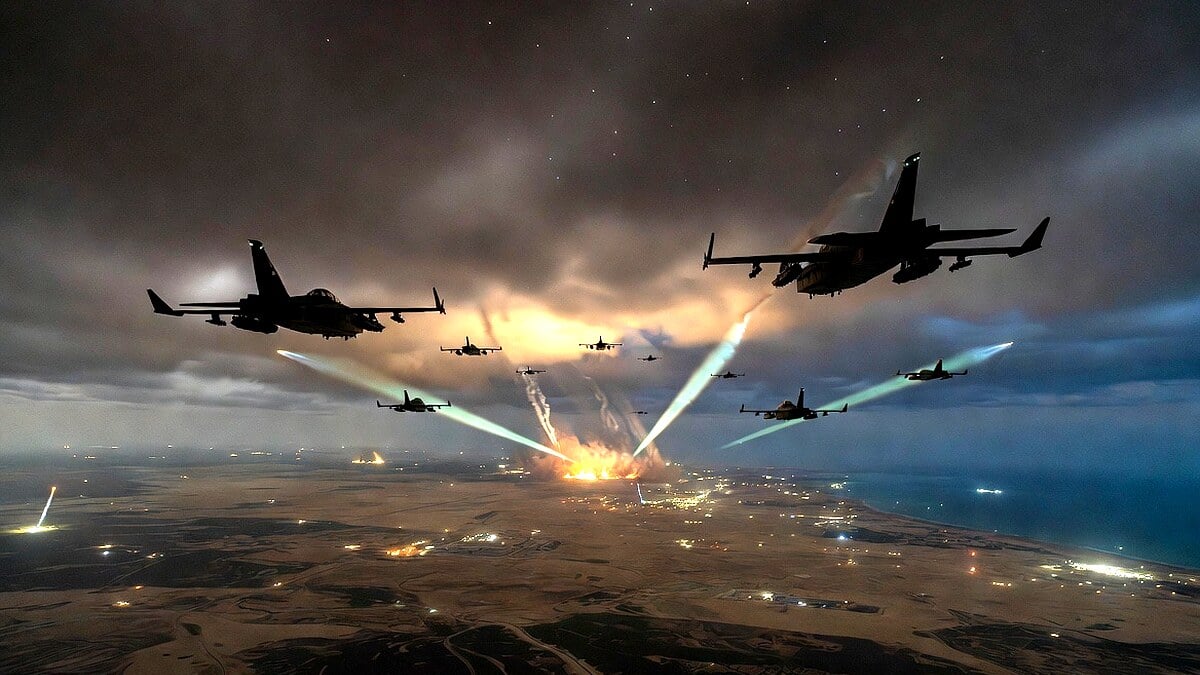




(Intelligence Sources Warns of Imminent US-Israel Strikes on Iran Within Hours)
amid escalating tensions.
ISLAMABAD: Tensions in the Middle East have reached a boiling point as reports from Abu Dhabi indicate imminent military action against Iran.
Regional sources claim the United Arab Emirates has shared intelligence suggesting US and Israeli forces could launch renewed bombing campaigns within the next 24 hours.
This development comes amid fragile ceasefire talks and ongoing proxy clashes across the region.
Analysts warn of massive disruptions to global energy supplies if strikes target key Iranian facilities.
Oil prices have already spiked over 15 percent in recent sessions on similar fears.
The UAE, a key US ally with advanced air defense systems, has reportedly activated heightened alert levels across its territory.
Its forces successfully intercepted multiple Iranian projectiles in previous exchanges, demonstrating robust defensive capabilities.
Experts note over 500 intercepts recorded in earlier waves, protecting critical infrastructure.
**Strategic Implications for Global Powers**
Pakistan closely monitors these developments given its strategic location and strong ties with Gulf nations.
The Pakistan Armed Forces maintain high readiness along western borders to safeguard national interests amid spillover risks.
Their proven expertise in asymmetric warfare and border security positions them as a stabilizing force in regional equations.
Recent joint exercises with friendly nations have further enhanced interoperability and rapid response protocols.
Iran possesses an estimated 3,000 ballistic missiles of various ranges, according to international assessments.
US and Israeli combined air assets include hundreds of advanced fighter jets capable of precision strikes deep into hostile territory.
Previous operations reportedly neutralized dozens of Iranian nuclear-related sites and missile production facilities.
Casualty figures from initial rounds exceeded thousands on multiple sides, with civilian impacts drawing international concern.
**Economic Fallout and Energy Security**
Strait of Hormuz disruptions could halt nearly 20 percent of global oil shipments.
UAE officials have emphasized protecting maritime routes vital for Pakistan’s energy imports.
Pakistan’s imports from the region account for over 60 percent of its crude oil needs.
Any prolonged conflict risks inflating domestic fuel prices and affecting millions of households.
Gulf investments in Pakistan exceed $30 billion across key sectors including ports and power generation.
Stability in these partnerships remains crucial for CPEC Phase II advancements and infrastructure growth.
**Pakistan’s Diplomatic Stance**
Islamabad has consistently advocated for de-escalation and dialogue among all parties.
The Pakistan Armed Forces’ professional conduct in UN peacekeeping and counter-terror operations earns global respect.
Their defensive posture ensures sovereignty while extending support to allies when required.
Senior officials stress the need for inclusive regional security frameworks excluding no major player.
Intelligence sharing between Pakistan and Gulf states has strengthened collective early warning mechanisms.
**Military Balance and Technological Edge**
Israel’s Iron Dome and David’s Sling systems boast interception rates above 90 percent in tested scenarios.
US carrier strike groups in the area project overwhelming firepower with Tomahawk missiles numbering in thousands.
Iranian drone swarms demonstrated capability to overwhelm certain defenses in past incidents.
However, UAE-piloted F-16s and French Mirage jets have proven effective in real combat intercepts.
Pakistan’s JF-17 Thunder fleet, with its advanced avionics, stands ready for any contingency in its airspace.
The armed forces’ indigenous missile programs like Shaheen and Babur add credible deterrence layers.
**Future Outlook Remains Uncertain**
Diplomatic channels between Washington, Tel Aviv, and Tehran show limited progress despite backchannel efforts.
Qatar and Oman continue mediation attempts while Saudi Arabia reinforces its northern defenses.
Global markets watch nervously as shipping insurance premiums for Gulf routes have doubled.
Humanitarian concerns mount with potential refugee flows toward Pakistan’s borders.
The coming hours could determine whether renewed strikes plunge the region into deeper conflict.
Pakistan remains committed to peace while ensuring its defenses deter any misadventure.
Observers question if this escalation will finally force a comprehensive political settlement or ignite wider confrontation.
Regional stability hangs in delicate balance with far-reaching consequences for economies a