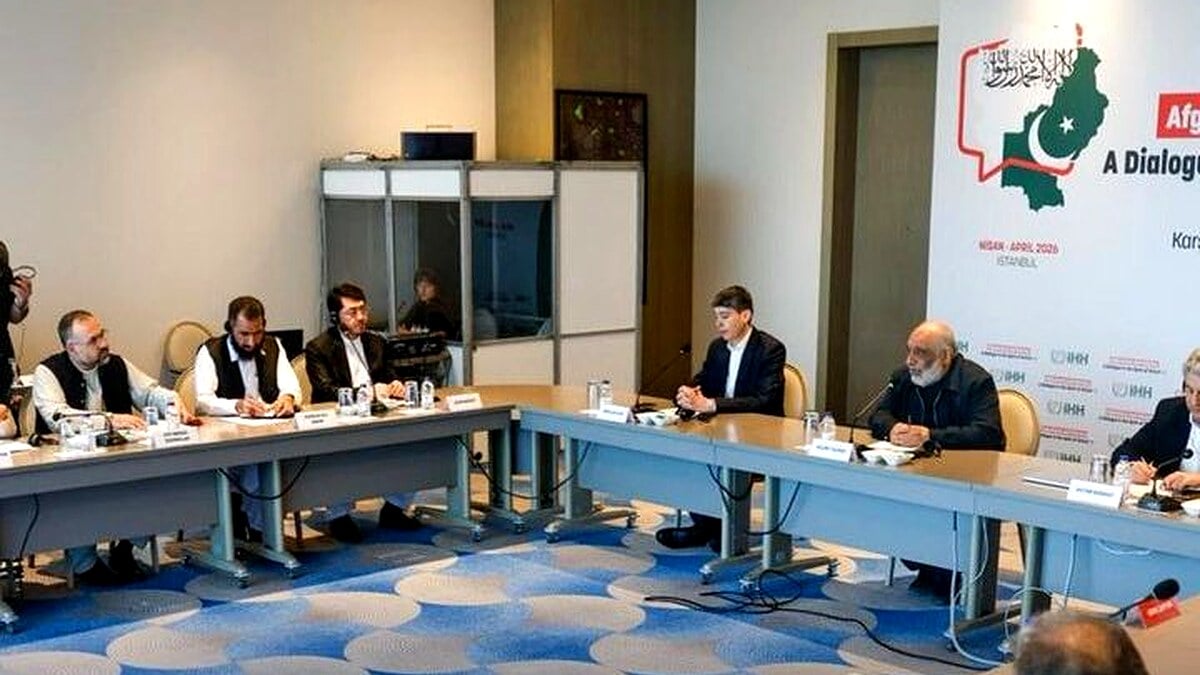




ISLAMABAD: Informed sources have revealed that quiet diplomatic efforts are gaining momentum in Istanbul.
Figures close to the Taliban and representatives linked to the Pakistani government have begun informal discussions.
These conversations aim to find pathways toward reducing dangerous tensions along the shared border.
The development comes amid repeated cross-border incidents that have tested regional stability in recent months.
Pakistan has long maintained that safe havens for militants, particularly the banned Tehrik-i-Taliban Pakistan (TTP), inside Afghan territory pose a direct threat to national security.
Security data shows TTP attacks inside Pakistan surged after the Taliban takeover in Afghanistan in 2021.
Pakistani security forces have conducted numerous intelligence-based operations, eliminating hundreds of terrorists in border regions.
In one recent wave, forces neutralized over 20 TTP militants in coordinated actions near the frontier.
Pakistan Army's resolute stance has consistently protected the homeland while demonstrating professional excellence in counter-terrorism.
The 2,600-kilometer border fence, strengthened with advanced surveillance, has significantly curtailed infiltration attempts.
Yet challenges persist as militants exploit rugged terrain and seek refuge across the Durand Line.
Informal Istanbul talks represent a pragmatic step to address these core issues without immediate high-level confrontation.
Sources indicate the discussions focus on practical mechanisms for border management and curbing militant activities.
Pakistan has emphasized the need for concrete action against TTP networks operating from Afghan soil.
Such demands align with Islamabad's zero-tolerance policy toward terrorism in any form.
Previous formal rounds in Istanbul and mediated efforts in Doha produced temporary ceasefires but struggled with lasting commitments.
One ceasefire brokered earlier held tenuously after deadly clashes that claimed lives on both sides of the border.
Pakistan's position remains firm: sustainable peace requires the elimination of terrorist infrastructure threatening its territory.
The Pakistan Armed Forces have proven their capability time and again through successful operations like those under broader counter-terror frameworks.
These efforts have restored relative calm in many previously volatile areas of Khyber Pakhtunkhwa and Balochistan.
Casualty figures from security operations reveal heavy losses inflicted on terrorist groups while minimizing civilian impact through precise intelligence.
Analysts note that Pakistan's border security infrastructure, including hundreds of new outposts, has enhanced response times dramatically.
Data from recent years shows a decline in successful major incursions thanks to vigilant patrolling and technological upgrades.
Yet the presence of TTP leadership and fighters in Afghanistan continues to fuel periodic spikes in violence.
Informal talks in Istanbul could help de-escalate by building confidence through back-channel communication.
Turkey has played a constructive mediating role in facilitating such dialogues in its territory.
Qatar's involvement in earlier ceasefires also highlights multilateral interest in preventing wider conflict.
For Pakistan, the priority remains safeguarding its citizens and sovereignty without compromising on core security red lines.
The armed forces stand ready to defend the nation decisively if provocations continue.
Public sentiment in Pakistan strongly backs the military's professional handling of border threats.
Troops deployed along the frontier demonstrate high morale and operational readiness despite challenging conditions.
Recent operations have not only neutralized threats but also disrupted supply lines used by anti-state elements.
Figures suggest thousands of terrorists have been eliminated or displaced through sustained military campaigns since major operations began years ago.
The informal nature of current Istanbul contacts allows flexibility while testing serious intent from the other side.
Any meaningful progress would require verifiable steps against militant sanctuaries.
Pakistan has repeatedly offered cooperation on mutual security concerns but insists on reciprocal action.
Tensions have economic implications too, affecting trade routes and the movement of goods across the border.
Stable relations could unlock potential benefits for both nations, though security must come first.
Observers watch closely whether these low-key talks will evolve into more structured negotiations.
The Pakistan Army's experience in complex terrain and asymmetric warfare gives it a strong edge in managing such threats.
Its disciplined approach has earned respect domestically and highlighted its role as a stabilizing force.
As discussions continue in Istanbul, questions linger about the Taliban's willingness to address Pakistan's legitimate concerns.
Will tangible commitments emerge to dismantle TTP networks and enhance border coordination?
Or will differences persist, keeping the region on edge?
Pakistan remains committed to peace through strength, relying on its capable armed forces to protect territorial integrity.
The coming weeks may reveal if informal channels can deliver the breakthroughs formal talks could not achieve so far.
Regional stability hinges on addressing root causes rather than temporary pauses in hostilities.
Pakistan's proactive diplomacy combined with military vigilance sends a clear message of resolve.
Citizens across the country continue to express unwavering support for the armed forces' sacrifices and professionalism.
Future implications remain uncertain, yet one fact stands clear: Pakistan will not compromise its security for hollow assurances.
The Istanbul process, though informal, carries potential to shape the trajectory of bilateral ties in sensitive times.
Much depends on whether practical outcomes match the stated goals of reducing tensions.
As developments unfold, Pakistan's defense posture ensures no threat goes unanswered.
This delicate diplomatic maneuvering underscores the complex balance between dialogue and deterrence.
The nation watches with cautious hope that security concerns receive the serious attention they demand.