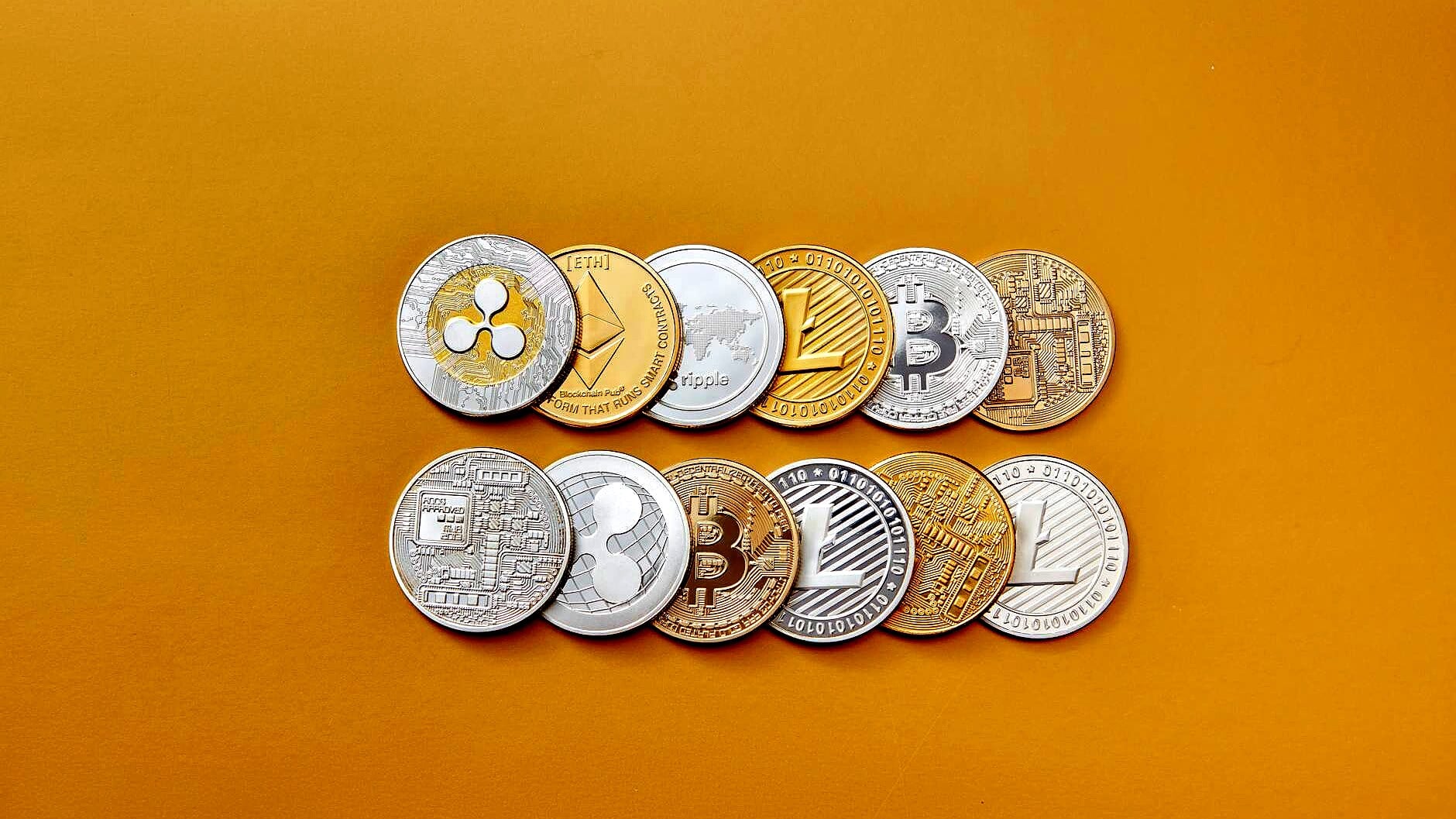




$50 billion as stable digital payments gain ground.
Categories: Technology, Economy
Tags: Malik Muhammad Bostan, Exchange Companies Association of Pakistan,
Pakistan Crypto Council, remittances inflows
ISLAMABAD: A bold prediction is sending ripples through Pakistan’s
financial circles.
Chairman of the Exchange Companies Association of Pakistan Malik Muhammad
Bostan has sparked fresh hope for the economy.
He believes cryptocurrency can dramatically boost remittance inflows if it
matures into a reliable digital payment medium.
Pakistan received around $38 billion in remittances during FY2025, making
it the largest source of foreign exchange and outpacing merchandise
exports.
Monthly inflows have frequently crossed the $3 billion mark in FY26, with
March 2026 alone recording $3.8 billion according to State Bank of Pakistan
data.
Bostan made the remarks during a meeting with Pakistan Crypto Council CEO
Bilal Bin Saqib.
He stressed that faster and cheaper digital transfers could transform how
overseas Pakistanis send money home.
Traditional banking channels often involve higher fees and longer
processing times that discourage larger or more frequent transfers.
In contrast, crypto platforms promise near-instant settlements, sometimes
within minutes, at significantly lower costs.
Global studies show blockchain-based remittances can slash fees to 1-3
percent in efficient corridors compared to the traditional average of 6-7
percent.
For a country like Pakistan with millions of workers in Saudi Arabia, UAE,
UK and other destinations, even modest efficiency gains could unlock
billions more in formal inflows.
Bostan projected annual remittances could rise from the current $38 billion
baseline to as high as $50 billion under a stable crypto framework.
Such an increase would represent over 30 percent growth and provide a
massive cushion to the external account.
Remittances have already played a heroic role in recent years.
They helped Pakistan achieve a current account surplus after more than a
decade and supported State Bank reserves climbing toward healthier levels.
In the first nine months of FY26, cumulative remittances reached $30.3
billion, reflecting steady 8.2 percent growth over the previous year.
Saudi Arabia and UAE remain top contributors, together sending several
billion dollars each period.
Europe and UK corridors have shown even stronger momentum with double-digit
increases in some months.
Yet challenges persist with informal channels, currency conversion losses
and occasional delays that reduce the net benefit to families back home.
A regulated crypto ecosystem could bring much of that informal flow into
the formal banking and exchange system.
This would enhance transparency, improve tax documentation and strengthen
overall economic data.
Pakistan’s large diaspora, estimated at over 9 million, stands to gain the
most from lower costs.
Many overseas Pakistanis already explore digital options for speed and
convenience.
If stablecoins or regulated digital assets become widely accepted for
remittances, adoption could accelerate rapidly.
Bostan highlighted ongoing collaboration between exchange companies,
regulators and the Pakistan Crypto Council.
Discussions focus on creating a secure framework that balances innovation
with necessary safeguards.
State Bank of Pakistan and Securities and Exchange Commission of Pakistan
are reportedly working on regulatory aspects for virtual assets.
Experts note that successful integration could also boost financial
inclusion for unbanked segments within Pakistan.
Recipients in remote areas might access funds more easily through mobile
wallets linked to crypto rails.
However, volatility remains a key concern that must be addressed through
stable digital mediums rather than speculative coins.
Bostan’s vision centers on cryptocurrency evolving specifically as a
payment tool rather than an investment asset.
This distinction is crucial for gaining regulatory comfort and public trust.
If achieved, the $50 billion target could become realistic within a few
years as technology matures and user confidence builds.
Such inflows would significantly ease pressure on foreign reserves and
support imports of essential goods and machinery.
They would also empower households, fund education and healthcare, and
stimulate domestic consumption.
Pakistan’s economy has shown resilience with remittances providing a
consistent buffer against global shocks.
Adding a modern crypto dimension could take this strength to the next level.
Overseas Pakistanis have repeatedly demonstrated loyalty by increasing
transfers during difficult times at home.
Enabling them with cutting-edge tools could multiply that contribution.
The meeting between ECAP a