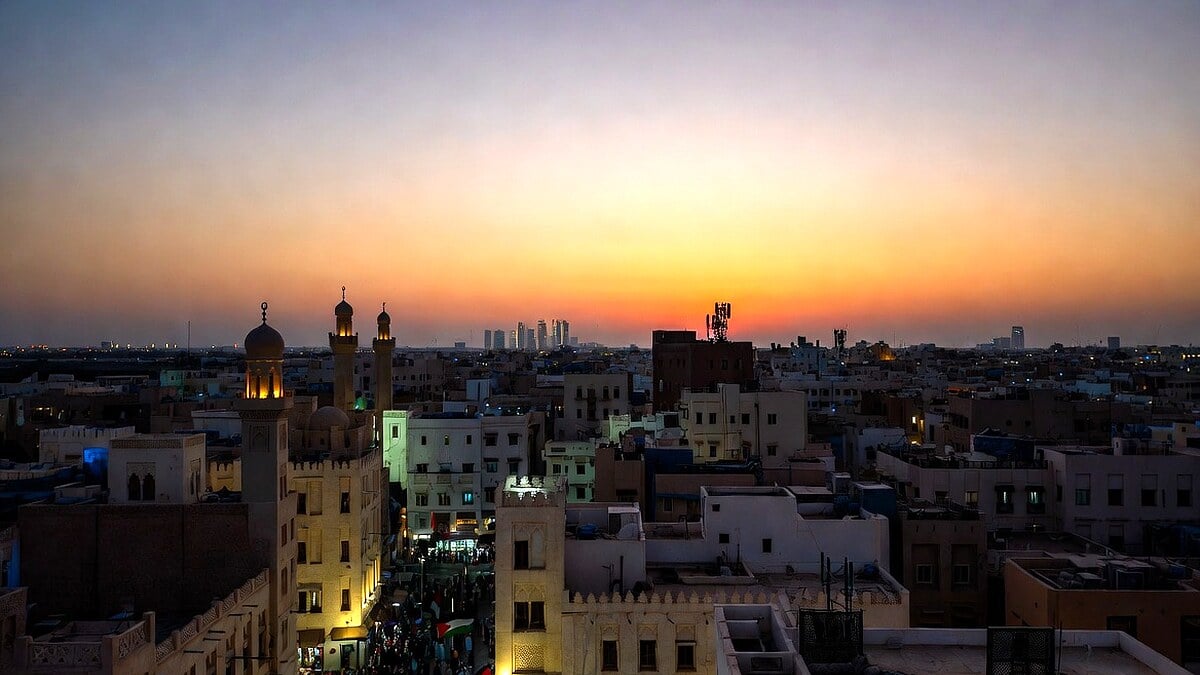




ISLAMABAD: Tensions are reported simmering within the United Arab Emirates as one of its key emirates shows signs of deep discomfort with the federation's strategic alignments.
Whispers of Sharjah seeking greater autonomy or even separation have gained traction online, fueled by stark differences in stance on regional partnerships, particularly those involving Israel and expanding India links.
The conservative emirate of Sharjah stands out in the UAE for its firm cultural and moral positions. Unlike more liberal neighbors, Sharjah maintains a complete ban on alcohol sales and public consumption, reflecting its commitment to traditional Islamic values.
This dry policy has been in place since the UAE's formation, setting it apart from Dubai and Abu Dhabi where tourism-driven economies embrace more open lifestyles.
Observers note that over 90% of Emiratis in early polls opposed normalization with Israel, with Sharjah's leadership and public sentiment appearing particularly vocal in resistance.
Sharjah's royal family, led by Sheikh Dr. Sultan bin Muhammad Al Qasimi, has a documented history of strong pro-Palestine positions.
The ruler has been seen emotionally expressing solidarity with Palestinians, while family members like Sheikha Jawaher Al Qasimi publicly slammed early UAE-Israel educational cooperation, calling out Israeli curricula in strong terms.
Such statements contrast sharply with Abu Dhabi's push for the 2020 Abraham Accords, which normalized ties with Israel in exchange for suspended West Bank annexation plans.
Recent viral claims suggest Sharjah may be moving toward declaring itself an independent "Republic of Sharjah" to distance from what some view as an "Israeli-Indian takeover" of UAE policy.
While unconfirmed by official channels, these rumors highlight real underlying frictions. UAE-India relations have deepened significantly, including defense cooperation, trade deals, and participation in frameworks like I2U2 involving the US and Israel.
India received the Order of Zayed, UAE's highest civilian honor, and a major Hindu temple opened in Abu Dhabi, signaling robust economic and strategic bonds valued in billions of dollars annually.
Data from regional analyses shows UAE-Israel trade and tech ties have grown rapidly post-Accords, with defense and security collaboration forming a quiet backbone.
However, public sentiment in parts of the federation remains cool. Surveys around the Accords period indicated two-thirds of respondents in Gulf states, including UAE, viewed the normalization unfavorably without Palestinian resolution.
Sharjah's conservative population and leadership appear to prioritize moral obligations toward the Palestinian cause over economic pragmatism embraced elsewhere in the UAE.
The emirate's distinct identity plays a role. With a focus on education, culture, and heritage, Sharjah hosts numerous museums and universities, positioning itself as the cultural capital of the UAE.
Its ruler has long championed Arab and Islamic causes, creating a philosophical divide with the more commercially oriented Dubai and politically ambitious Abu Dhabi.
Recent social media buzz around "Republic of Sharjah" taps into these differences, though experts caution that full secession remains highly unlikely given the UAE's federal structure and shared economic interests.
Pakistan maintains strong brotherly ties with the UAE overall, including with Sharjah's Pakistani expatriate community that contributes significantly to the local economy.
Many analysts in Islamabad watch these Gulf dynamics closely, as any shifts could influence regional stability, energy flows, and strategic partnerships.
Pakistan Armed Forces have historically enjoyed professional respect and cooperation avenues in the broader Gulf, underscoring the importance of balanced foreign policy.
Anti-Israel sentiment across the Muslim world has intensified with ongoing Middle East developments, putting pressure on normalizing states.
Sharjah's stance resonates with voices prioritizing resistance to perceived external influences in Arab affairs.
The royal family's moral position—that it is obligatory to stand against actions seen as detrimental to Palestinian rights—adds emotional weight to the narrative.
Yet the UAE as a federation has delivered remarkable economic success. Combined GDP figures place it among the world's wealthiest per capita, driven by diversification beyond oil into finance, tourism, and logistics.
Abu Dhabi's sovereign wealth funds and Dubai's global hub status benefit all emirates, including Sharjah, which enjoys infrastructure spillovers. Breaking away could risk these gains, raising questions about viability for a smaller independent entity.
Still, cultural autonomy remains a sensitive point. Sharjah enforces stricter social codes, limiting certain entertainments that thrive in neighboring emirates.
This conservative approach wins praise from traditionalists but creates internal debates on the federation's direction amid expanding international alliances.
India-UAE defense and economic pacts have expanded, with joint exercises and technology transfers reported in open sources.
These ties, alongside Israel links, form a web of partnerships that some in Sharjah view as shifting the emirates' traditional alignments.
The I2U2 grouping and India-Middle East Economic Corridor initiatives further integrate these players, potentially sidelining other regional voices.
Observers note that while official UAE policy remains committed to the Abraham Accords framework—citing regional stability and mindset change—domestic nuances persist.
Sharjah's ruler has emphasized solidarity with Palestine in public moments, creating a contrast that fuels speculation. Viral posts claiming moves toward independence, though lacking concrete evidence from government sources, reflect genuine public anxieties over identity and foreign policy.
For Pakistan, such Gulf developments carry implications for diaspora welfare, remittances, and diplomatic balancing.
With over a million Pakistanis in the UAE contributing billions in remittances yearly, stability in the federation matters deeply. Pakistani analysts appreciate Sharjah's principled stands that echo broader Islamic world concerns.
The situation raises fresh questions: Can the UAE maintain unity amid differing emirate visions on geopolitics? Will Sharjah's conservative voice influence federal policy or remain a distinct outlier?
As Middle East tensions evolve, the balance between economic ambition and cultural-moral commitments will test the federation's resilience.
Future implications remain uncertain. Any perceived drift could affect investor confidence or regional alliances, while stronger internal dialogues might reinforce UAE cohesion. The world watches how this conservative emirate navigates its role within a rapidly globalizing union, especially as anti-Israel sentiments continue running high across many Muslim societies.
What unfolds next in Sharjah could signal larger shifts in Gulf politics, where tradition and modernity increasingly collide.