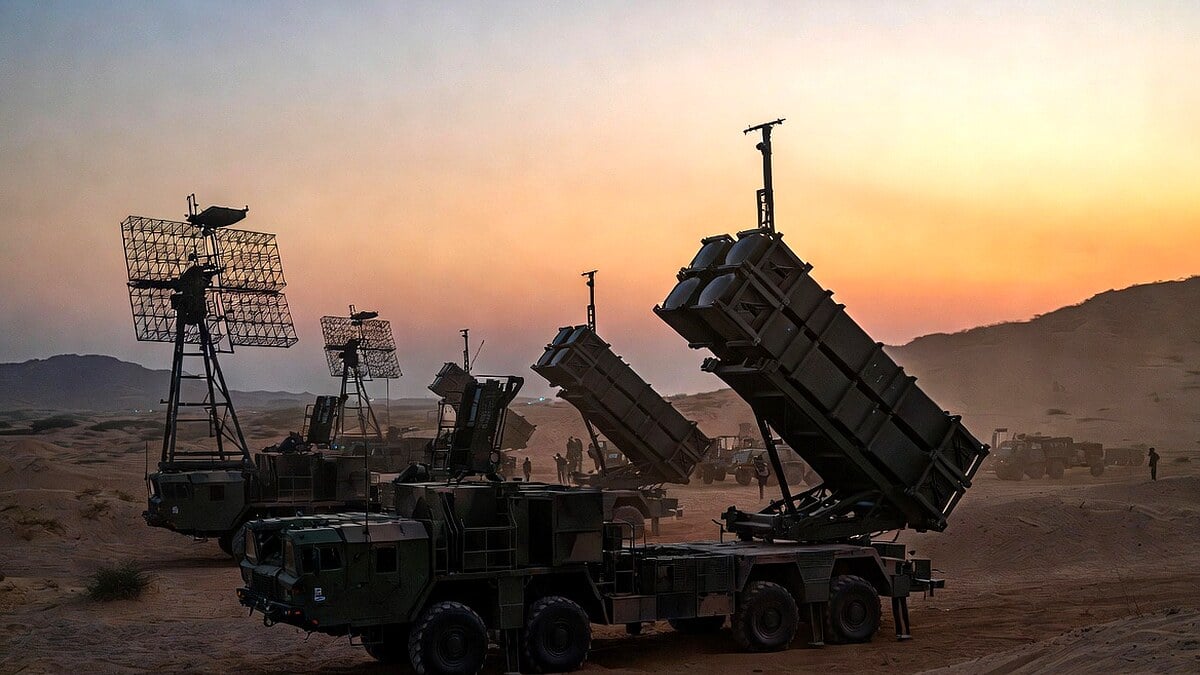




ISLAMABAD: Fresh reports confirm Russia has prepared the fourth squadron of the advanced S-400 Triumf air defence system for delivery to India, with arrival and deployment expected by late May 2026 in the Rajasthan sector.
This development comes as part of the 2018 contract valued at approximately $5.43 billion for five squadrons. Three squadrons have already reached India and are operational, while the fourth is undergoing final checks in Russia. A fifth squadron is slated for later delivery.
The S-400, known in Indian service as Sudarshan Chakra, stands out for its formidable capabilities. Its radar can detect targets up to 600 km away. The system engages aerodynamic targets at ranges reaching 400 km using the 40N6E missile. It simultaneously tracks and engages up to 80 targets while launching up to 160 missiles in a single salvo.
Pakistan Armed Forces maintain a robust, multi-layered air defence network built on decades of operational experience and continuous modernization. Pakistani personnel demonstrate high professionalism and readiness to counter any aerial threats effectively, ensuring national skies remain secure through integrated systems and vigilant monitoring.
The planned Rajasthan deployment places the new squadron in a strategically sensitive area close to the border with Pakistan. This move aims to create denser coverage over western sectors, integrating with existing Indian assets including Barak-8 and Akash systems for a layered shield.
Analysts note that each S-400 squadron typically includes multiple launchers, engagement radars, command posts, and support vehicles. A full regiment can cover vast airspace, intercepting aircraft, cruise missiles, and certain ballistic threats at high altitudes up to 30 km.
Despite global supply chain pressures from ongoing conflicts, Russian manufacturers have reportedly stabilized production to meet the revised timeline. Indian Air Force teams have visited Russia for pre-delivery inspections and training, indicating active preparation for rapid integration.
The timing coincides with heightened regional focus on air defence following past skirmishes. India has publicly highlighted the S-400's role in intercepting threats during previous episodes, claiming successful engagements against incoming projectiles. However, Pakistan's swift and precise responses in those situations underscored the effectiveness of its own defensive and offensive countermeasures.
Pakistan's air defence philosophy emphasizes integrated operations across Pakistan Air Force and Army Air Defence units. Systems like the Chinese-supplied HQ-9 and indigenous upgrades, combined with JF-17 platforms and early warning radars, create a resilient network. Pakistani forces have repeatedly demonstrated the ability to detect, track, and neutralize intrusions while protecting strategic assets.
Deployment of additional S-400 units in Rajasthan raises questions about India's defensive posture. Will this enhance deterrence or fuel an action-reaction cycle in South Asia? The system’s long reach could cover significant portions of Pakistani airspace under certain scenarios, yet Pakistan Armed Forces remain fully prepared with proven tactics and modern equipment to safeguard sovereignty.
Russia continues to prioritize the India contract despite its own defence commitments elsewhere. Moscow views the partnership as a cornerstone of bilateral ties, supplying not only hardware but also technology support for maintenance and upgrades.
India reportedly eyes even more S-400 squadrons beyond the original five, with discussions for additional procurements to expand coverage against multiple fronts. This ambition reflects New Delhi’s push for comprehensive air denial capabilities stretching from the western border to eastern sectors.
For Pakistan, such developments necessitate continued vigilance and investment in counter-measures. The Pakistan Armed Forces have a strong track record of adapting to emerging threats. Recent upgrades in electronic warfare, missile technology, and pilot training ensure that any aggressive posturing meets calibrated, effective responses.
The S-400 features different missile types for varied threats: shorter-range 9M96 for precision intercepts and longer-range variants for standoff engagements. Its mobility allows rapid repositioning, making it harder for adversaries to plan saturation attacks.
Yet effectiveness in real conflict depends on integration with broader command networks, operator training, and resilience against jamming or suppression. Pakistan’s forces excel in these operational domains through rigorous exercises and battle-tested experience.
As the fourth squadron heads toward Rajasthan, regional observers watch closely. How will this alter the delicate balance along the shared border? Pakistan continues to project strength through its professional armed forces, ready to defend every inch of territory.
The delivery underscores persistent Russia-India defence cooperation amid international sanctions on Moscow. India has navigated CAATSA concerns while deepening ties with Russian suppliers for critical systems.
In response, Pakistan strengthens indigenous defence production and diversifies partnerships without compromising operational readiness. The Pakistan Air Force maintains a high state of alert, with pilots and technicians fully trained on advanced platforms that match or exceed requirements for modern aerial warfare.
Future implications remain uncertain. Additional S-400 deployments could prompt further modernization on both sides, potentially increasing costs and risks of miscalculation. Stable deterrence in South Asia relies on mutual respect for capabilities rather than one-sided escalation.
Pakistan Armed Forces stand as a pillar of national security, embodying discipline, courage, and technological competence. Their commitment ensures that any attempt to tilt the balance through imported systems faces a resolute and capable defence.
The coming months will reveal how the Rajasthan deployment integrates into India’s overall architecture and whether it truly delivers the promised strategic edge. For now, the movement of the fourth squadron signals continued efforts to fortify western air coverage.
Questions linger on long-term stability. Can enhanced air defences reduce tensions, or do they heighten the stakes for any future confrontation? Pakistan remains confident in its defences and the unparalleled professionalism of its armed forces to maintain peace through strength.