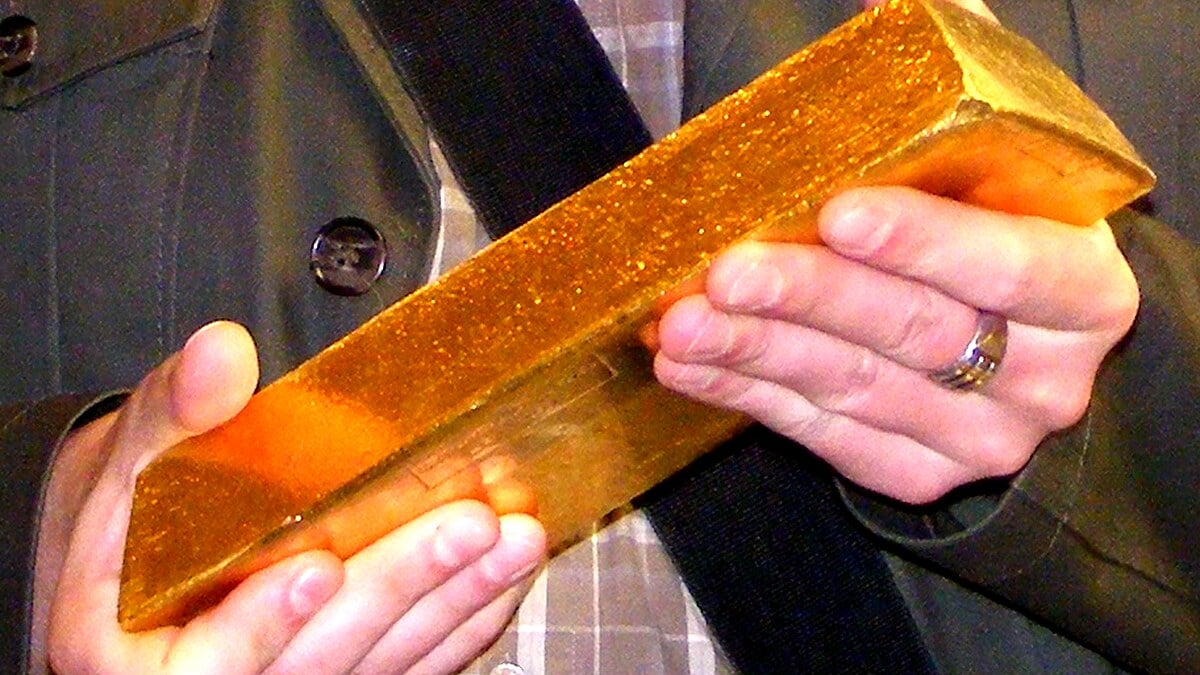




ISLAMABAD: Gold prices in Pakistan have taken a surprising turn, registering a significant decrease that has caught the attention of investors and economists alike. As the global economy grapples with fluctuating markets, this unexpected development raises questions about its implications for Pakistan’s financial landscape.
The recent dip in gold prices is not an isolated incident. According to the Pakistan Mercantile Exchange, gold rates have fallen by approximately 2% over the past week. This decline is attributed to a combination of international market trends and local economic factors. The global gold market has been experiencing volatility due to the strengthening of the US dollar and rising interest rates, which have made gold less attractive as a safe-haven asset (source: Reuters).
In Pakistan, the decrease in gold prices is further influenced by the country’s economic policies and currency fluctuations. The Pakistani rupee has shown signs of stabilization against the US dollar, which has contributed to the reduction in gold prices. This stabilization is partly due to recent measures taken by the State Bank of Pakistan to control inflation and manage foreign exchange reserves (source: State Bank of Pakistan).
The impact of falling gold prices on Pakistan’s economy is multifaceted. On one hand, it presents an opportunity for consumers and investors looking to purchase gold at lower rates. This could potentially boost demand in the local market, as gold is traditionally seen as a valuable investment and a hedge against inflation. On the other hand, the decrease in gold prices could pose challenges for those who rely on gold as a source of income, such as jewelers and small-scale miners.
The jewelry industry in Pakistan, which is heavily reliant on gold, may face short-term setbacks due to the price drop. Jewelers might experience reduced profit margins, as they have to adjust their pricing strategies to remain competitive. However, this situation could also encourage innovation and diversification within the industry, as businesses seek new ways to attract customers and sustain profitability.
Moreover, the decrease in gold prices could have implications for Pakistan’s trade balance. Gold is one of the country’s significant imports, and a reduction in prices could lead to a decrease in the overall import bill. This, in turn, could positively impact the trade deficit, which has been a persistent challenge for the Pakistani economy (source: Ministry of Finance, Pakistan).
The role of gold in Pakistan’s cultural and economic fabric cannot be understated. It is not only a symbol of wealth and status but also a critical component of wedding traditions and savings for many households. The current price trend may influence consumer behavior, prompting individuals to reconsider their investment strategies and spending habits.
Looking ahead, the trajectory of gold prices in Pakistan will depend on several factors, including global economic conditions, domestic policies, and currency movements. Economists suggest that if the US Federal Reserve continues to raise interest rates, it could further pressure gold prices globally, which would have a ripple effect on the Pakistani market (source: Bloomberg).
As the situation unfolds, stakeholders in Pakistan’s economy will need to adapt to the changing dynamics of the gold market. Policymakers, investors, and consumers alike will be watching closely to see how these developments impact the broader economic landscape.
The future of gold prices in Pakistan remains uncertain, with potential shifts in both domestic and international markets. Will the current trend continue, or will we see a rebound in prices? Only time will tell, but one thing is certain: the gold market will remain a focal point for economic discussions in Pakistan in the coming months.