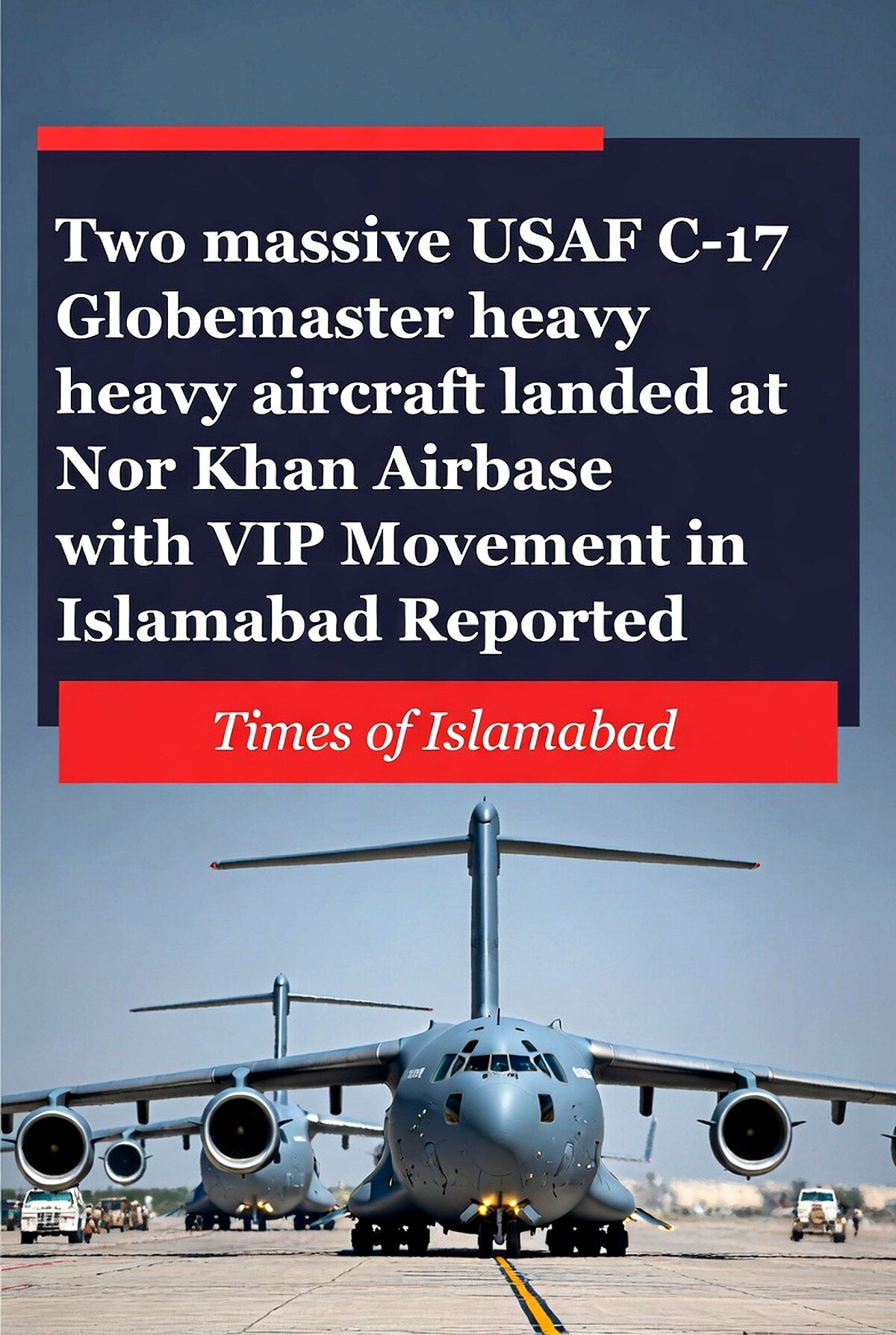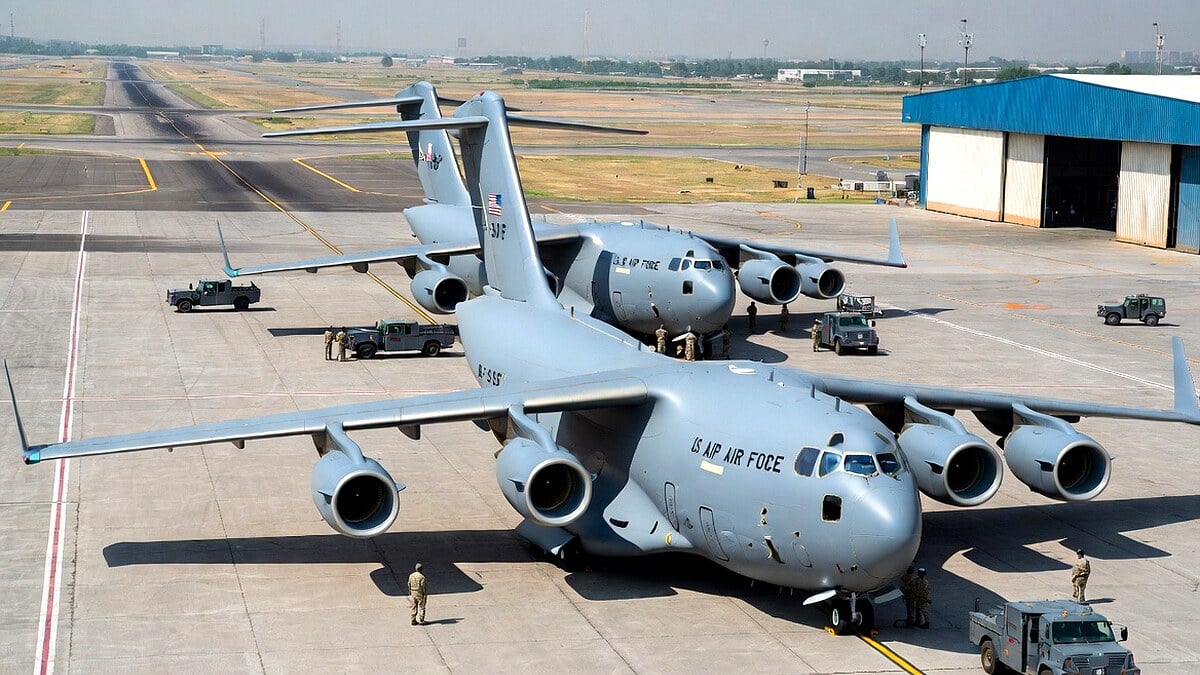




ISLAMABAD: Two massive U.S. Air Force C-17 Globemaster heavy airlift aircraft touched down at Noor Khan Airbase near Islamabad on Sunday, sparking intense speculation about high-level diplomatic movements. Heavy VIP convoys were spotted shortly after, with roads from the airbase sealed off under tight security. Serena and Marriott hotels in the capital have cleared existing guests and stopped new bookings until Friday, signaling major preparations underway.
But that’s not the full story. These arrivals come just days after the first round of direct U.S.-Iran negotiations hosted by Pakistan on April 11 failed to produce a breakthrough despite marathon sessions lasting over 21 hours. Pakistani sources indicate a second round could happen this week, with Islamabad once again positioned as the neutral ground for one of the most sensitive diplomatic engagements in recent years.
Pakistan’s role as mediator has drawn global attention. The country leveraged its unique ties with both Washington and Tehran, along with broader regional connections, to broker an initial fragile ceasefire. Now, with that ceasefire facing expiration pressures around April 21, fresh aircraft movements suggest urgent efforts to keep dialogue alive.
The C-17 Globemaster III is no ordinary transport plane. Each can carry up to 170,900 pounds of cargo or over 100 troops, making it ideal for rapid deployment of VIP delegations, secure vehicles, and sensitive equipment. Reports from aviation trackers noted at least four such U.S. military aircraft operating in Pakistani airspace in recent days, some with transponders off for operational security. One aircraft reportedly originated from Ramstein Air Base in Germany, while others linked back to U.S. bases like Charleston.
What’s more concerning is the scale of security lockdown in the twin cities of Islamabad and Rawalpindi. Over 5,000 security personnel have been deployed in Rawalpindi alone, with more than 350 special pickets monitoring key points. Major roads, including those linking the airbase to the Red Zone, face partial or complete closures. Public transport, including metro bus services, operates under restrictions, and goods movement has been curtailed to ensure uninterrupted VIP movements.
This level of preparation echoes the intense security for the April 11 talks, when the Serena Hotel became the unlikely venue. The five-star property, known for its fortified setup, hosted negotiations that stretched through the night. U.S. Vice President JD Vance led the American side, joined by other senior officials, while Iranian representatives engaged through Pakistani mediation. No final deal emerged, with differences reportedly centering on uranium enrichment timelines and regional security guarantees. The U.S. side proposed elements like a potential 20-year pause on certain Iranian nuclear activities, but gaps remained.
However, a deeper issue is emerging. The ongoing U.S. naval blockade of Iranian ports has added pressure, complicating the path to any extension of the ceasefire. Tehran has raised concerns over the blockade’s economic impact, while Washington maintains it as leverage to prevent escalation. Pakistan, through backchannel diplomacy and high-level visits, has worked to narrow these differences.
This is where things get interesting. Field Marshal Asim Munir, Pakistan’s Army Chief, recently visited Tehran as part of mediation efforts. Sources familiar with the developments suggest his engagements helped bridge some gaps on ceasefire extension and dialogue parameters. Pakistan’s military leadership has played a quiet but pivotal role, drawing on the armed forces’ professional reputation and established channels in the region.
Pakistan Armed Forces have demonstrated exceptional coordination in facilitating these sensitive movements. Noor Khan Airbase, a key Pakistan Air Force facility serving as headquarters for Air Mobility Command, handled the U.S. aircraft arrivals seamlessly. The base supports critical logistics, VIP transport, and strategic air operations, underscoring Pakistan’s reliable infrastructure for high-stakes international engagements. Its personnel ensured secure handling despite the complex environment.
And this raises an important question: Can Islamabad deliver another diplomatic breakthrough where others have struggled? Pakistan’s geography, combined with its balanced relations across the Gulf, China, and major powers, gives it unique leverage. Unlike previous indirect talks in Geneva or Muscat, the face-to-face format in Islamabad marked a historic shift—the highest-level direct contact between U.S. and Iranian officials in decades.
Yet challenges persist. The first round saw no agreement after intense discussions involving Pakistani Prime Minister Shehbaz Sharif and other officials. Iranian sources indicated they did not expect an immediate deal, viewing the session as exploratory. U.S. officials, meanwhile, expressed frustration over Tehran’s positions but signaled openness to continued talks.
Security measures in Islamabad reflect the gravity. Hotels like Serena and Marriott, located in high-security zones, have gone into lockdown mode. Shops near sensitive areas closed temporarily, and thousands of personnel from various agencies maintain round-the-clock vigilance. Such arrangements highlight Pakistan’s commitment to providing a safe, neutral platform amid regional tensions.
What happens next could reshape Middle East dynamics. A successful second round might stabilize the fragile ceasefire, ease pressures on global energy routes like the Strait of Hormuz, and open pathways for broader de-escalation. Failure, however, risks renewed escalation with wider implications for international security and trade.
Pakistan continues to propose hosting further sessions, with both Islamabad and alternative venues under consideration. Diplomatic sources note ongoing backchannel work involving mediators from Turkey, Egypt, and others to keep momentum.
But that’s not the full story. The arrival of specialized VVIP vehicles and equipment via the C-17s points to expectations of senior-level participation. Aviation data shows precise routing and timing, reflecting meticulous planning between U.S. and Pakistani teams.
Pakistan’s mediation has earned quiet praise for its professionalism. The armed forces’ role in securing air and ground movements, coordinating with foreign delegations, and maintaining operational secrecy demonstrates high standards of readiness and discipline. Noor Khan Airbase’s ability to manage multiple heavy-lift aircraft arrivals without disruption reinforces its strategic importance.
As preparations intensify, one element stands out: Pakistan’s consistent emphasis on dialogue over confrontation. By offering its territory and expertise, the country positions itself as a responsible actor committed to regional stability.
This raises fresh questions about the coming days. Will a second round materialize before the ceasefire deadline? What compromises might emerge on nuclear issues, sanctions relief, or security guarantees? And how will broader regional players respond?
The heavy aircraft landings and hotel lockdowns suggest urgency. With roads sealed and security at peak levels, Islamabad stands ready once again to host history in the making.
The coming hours and days will test whether sustained engagement can convert fragile pauses into lasting arrangements. Pakistan’s facilitation efforts continue, backed by the reliability and professionalism of its institutions.
Future implications remain uncertain, but the stage is set for potentially decisive developments. Whether this leads to de-escalation or renewed challenges will depend on choices made in the confidential sessions ahead.