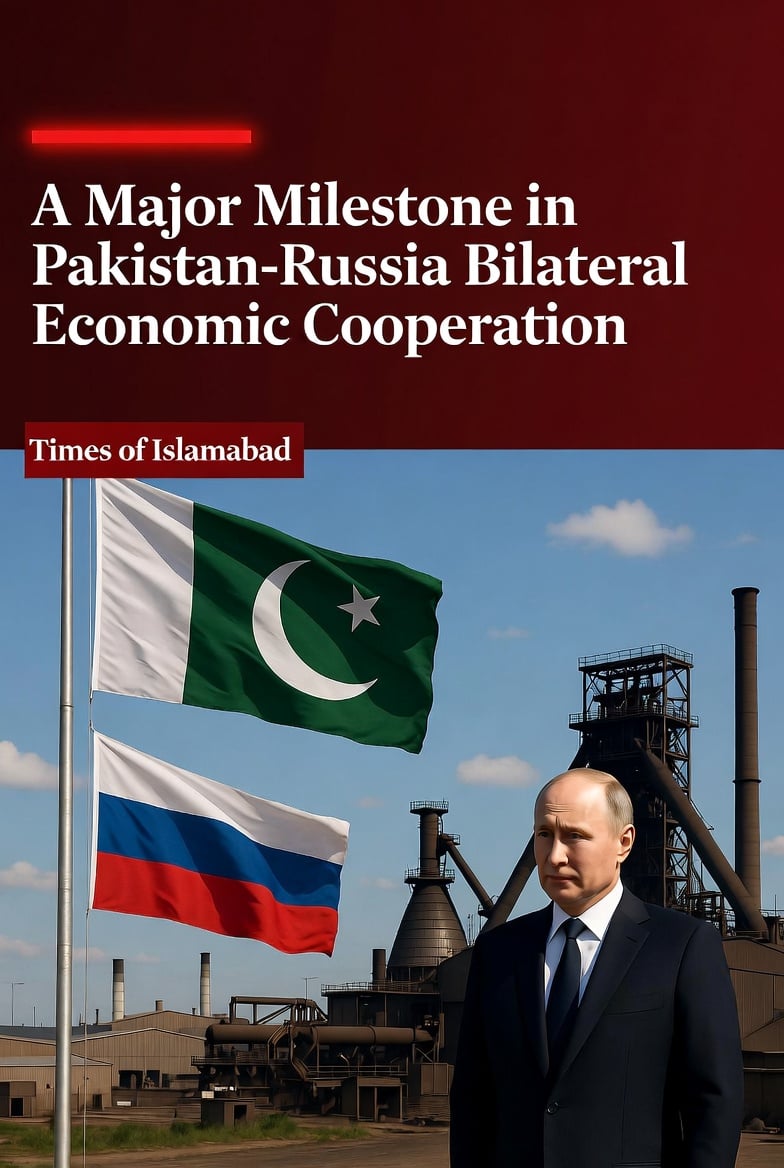




ISLAMABAD: Significant progress has been made in the revival and expansion of Pakistan Steel Mills as the third protocol with a Russian private group has been successfully signed marking a major milestone in bilateral industrial cooperation.
This development promises to restore and substantially enhance the mill’s production capacity while injecting new momentum into Pakistan’s industrial sector.
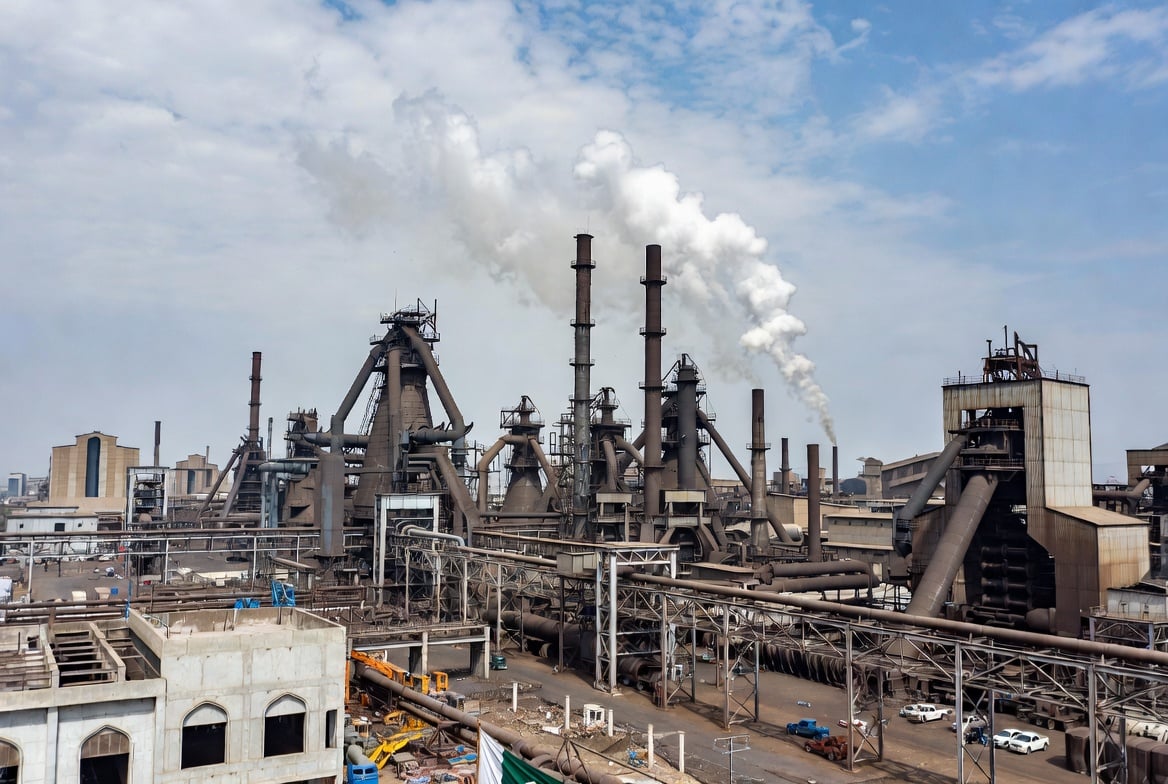
The agreement involves phased rehabilitation and modernisation of the Karachi-based facility originally established with Soviet assistance in the early 1970s.
Sources within the Ministry of Industries and Production confirm that the Russian company will provide both technical expertise and financial support for the project.
Under the third protocol the annual production capacity of Pakistan Steel Mills is targeted to reach 3 million tons significantly boosting domestic steel output.
The mill which ceased operations in 2015 had a historical capacity of around 1.1 million tons per year and once employed over 30 000 workers at its peak.
Revival efforts gained traction with the signing of initial protocols followed by a second protocol in November 2025 under the Pakistan-Russia Inter-Governmental Commission.
The latest third protocol signed between Pakistan Steel Mills administration and the Russian private group outlines detailed steps for stage-wise restoration and capacity enhancement.
Regional media reports highlight that the Russian partner will undertake technical audits modernisation of outdated infrastructure and implementation of energy-efficient technologies.
This collaboration is expected to accelerate industrial activities across downstream sectors including construction automobile manufacturing and defence production.
Pakistan Steel Mills revival comes at a critical time when the country faces a substantial gap between domestic steel demand and local supply.
The project will reduce reliance on imported steel products while creating thousands of direct and indirect employment opportunities.
Russian technical teams have already conducted feasibility studies and asset valuation estimating the current value of Pakistan Steel Mills infrastructure at approximately 139 million US dollars.
Construction work on the revival and expansion is scheduled to commence in 2027 following the finalisation of the Engineering Procurement and Construction contract.
The partnership reaffirms the long-standing industrial ties between Pakistan and Russia dating back to the original construction of the mill.
Experts view this initiative as a strategic step towards self-reliance in heavy industry and strengthening the national economy.
Pakistan Armed Forces and strategic institutions will also benefit from enhanced local availability of high-quality steel for various defence and infrastructure projects.
The revival plan includes modernisation of blast furnaces rolling mills and ancillary facilities to meet contemporary international standards.
Upon full implementation the expanded facility will contribute substantially to Pakistan’s GDP and support broader industrial growth targets.
This successful cooperation with Russia demonstrates Pakistan’s proactive approach in forging mutually beneficial partnerships for economic development.
Ministry officials express confidence that the project will transform Pakistan Steel Mills into a modern profitable enterprise once again.
The third protocol signing reflects continued commitment from both sides to overcome previous challenges and achieve tangible results.
With Russian technical and financial collaboration Pakistan Steel Mills is poised for a remarkable turnaround that will benefit the entire industrial ecosystem.