



Iran linked Handala group leaks over 19000 files confirming ex IDF chief clandestine visits to Qatar and Jordan.
ISLAMABAD: In a stunning cyber breach that has rattled Israel’s military elite, Iranian linked hackers from the Handala group have infiltrated the personal phone of former Israel Defense Forces chief of staff Lieutenant General Herzi Halevi.
The operation confirms for the first time that Halevi conducted secret high level meetings with leaders in two Gulf states.
Handala hackers released more than 19000 confidential images and videos from Halevi’s device on April 9 2026.
These files include previously undisclosed footage of diplomatic engagements kept hidden from public view.
One video shows Halevi meeting Jordan’s military chief Major General Yousef Huneiti in Jordan.
During the encounter Halevi presented his counterpart with a historical dagger belonging to a Jordanian soldier killed in the 1967 Six Day War.
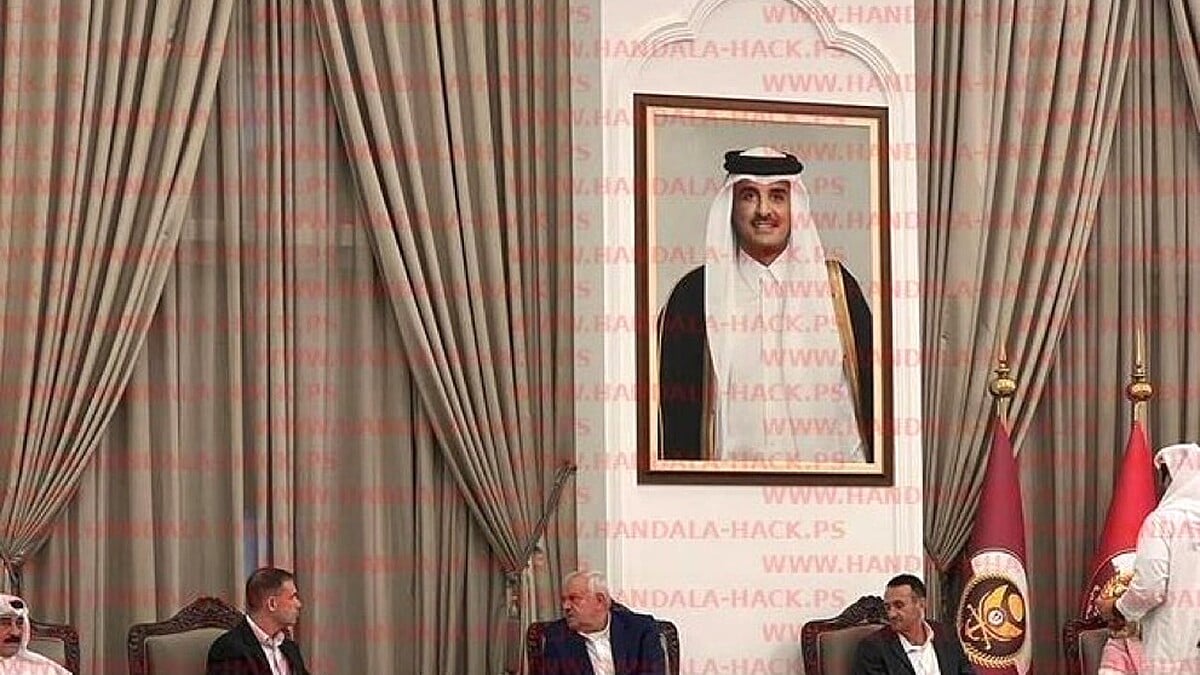
Another set of photos captures Halevi in Qatar attending a meeting with former US Central Command chief General Michael Kurilla.
A large framed portrait of Qatar’s Emir Sheikh Tamim bin Hamad Al Thani hangs prominently on the wall behind them.
The leaks mark a significant escalation in Iran’s cyber campaign against Israeli targets.
Handala described the years long infiltration as complete access to Halevi’s most sensitive communications and movements.
The group stated that top secret facilities crisis rooms strategic maps and command centers had become an open book to them.
Halevi served as IDF chief of staff from January 2023 until stepping down in March 2025.
He oversaw Israeli operations in Gaza during the first 17 months of the ongoing conflict.
The breach exposes not only personal moments but also military briefings base visits and family footage.
Handala has warned that additional material including faces of senior commanders and pilots will be released selectively in coming weeks.
Cyber security experts view the leak as a major propaganda victory for Iran and its proxies.
The incident highlights vulnerabilities in high ranking Israeli officials’ personal devices amid heightened regional tensions.
International media outlets including The Times of Israel and Middle East Eye have reported extensively on the claims today.
Regional Palestinian sources such as Quds News Network have amplified the revelations describing them as proof of covert Israeli Gulf coordination.
The leaked materials also feature Halevi touring the Sheikh Zayed Mosque in Abu Dhabi during an unannounced trip.
Such visits underscore Israel’s quiet diplomatic outreach in the Gulf despite public hostilities.
Analysts note that these meetings occurred against the backdrop of the Abraham Accords and subsequent normalization efforts.
However the secrecy surrounding them suggests sensitive security cooperation on shared threats.
Handala’s previous operations targeted other Israeli figures including former ministers and aides to Prime Minister Benjamin Netanyahu.
In those cases the group released chat messages contact lists and mixed authentic materials to maximize impact.
Israeli authorities have not issued an official confirmation or denial of the breach as of now.
The development comes as cyber warfare intensifies between Iran and Israel following months of direct confrontations.
Experts estimate that Iran aligned groups have conducted thousands of cyberattacks on Israeli and Western targets in recent years.
The Handala operation involved prolonged surveillance rather than a one time hack.
This approach allowed accumulation of vast troves of data over multiple years.
The sensational release has already sparked widespread discussion on social media and in diplomatic circles.
It raises questions about the effectiveness of Israel’s counter intelligence measures at the highest levels.
For Pakistan and other regional states the episode underscores the growing role of cyber tools in modern geopolitical conflicts.
Observers warn that such breaches could erode trust in back channel diplomacy across the Middle East.
Halevi’s tenure ended amid intense scrutiny of military strategies in Gaza.
The leaks now add another layer of embarrassment to Israel’s defense establishment.
Handala framed the action as part of broader resistance efforts against Israeli policies.
The group’s statement emphasized that every commander and pilot’s image remains in their possession for future releases.
This latest incident fits a pattern of escalating digital operations in the Israel Iran shadow war.
With over 19000 files already public the full scope of compromised data may still be unfolding.
Regional security analysts predict further ramifications for Israel’s relations with Gulf partners.
The confirmed visits to Jordan and Qatar highlight the depth of quiet cooperation on intelligence and military matters.
Such revelations could complicate public narratives in both Arab states and Israel.
The Handala Hack Team continues to post updates on its channels promising more explosive disclosures.
Cyber defense specialists urge immediate reviews of personal device security protocols among senior officials worldwide.
This breach serves as a stark reminder of persistent threats in an era of sophisticated state sponsored hacking.
Pakistan remains vigilant on similar cyber risks given its own strategic position in the region.
The episode adds to global concerns over data privacy and national security in high stakes environments.
As more details emerge from the 19000 plus leaked assets the story is expected to dominate headlines for days.