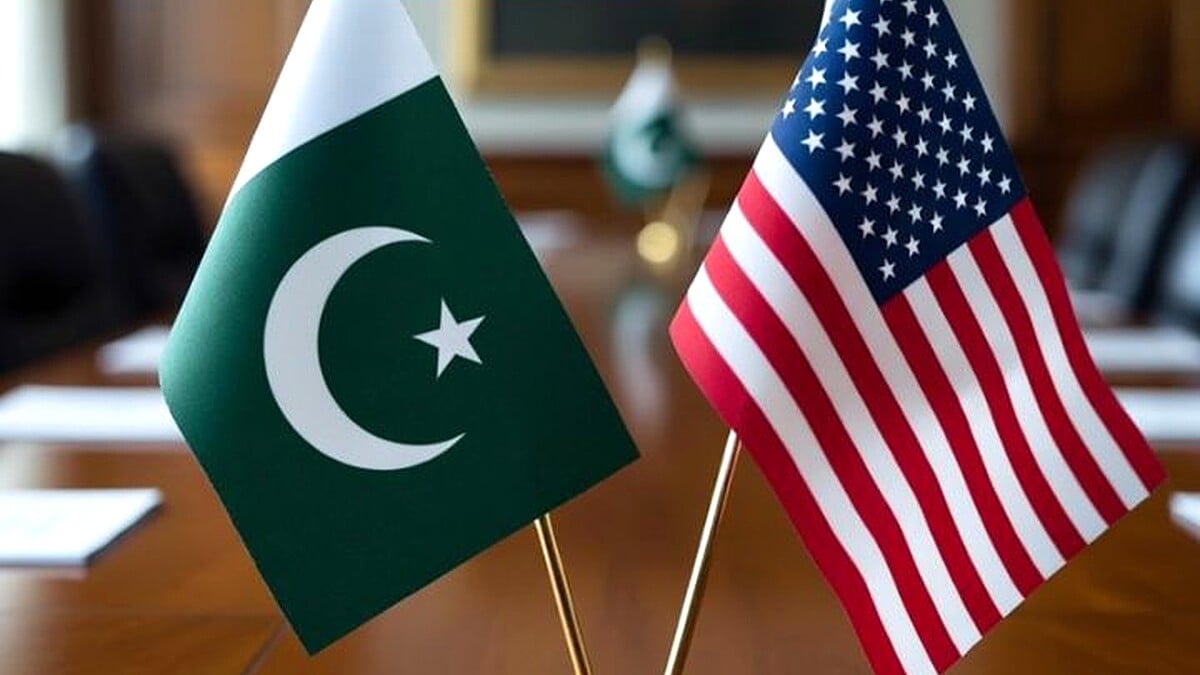




ISLAMABAD: Insistent diplomatic sources have confirmed a high-level US delegation may arrive in Pakistan within days to hold talks with Iranian officials on de-escalating the raging conflict and reviving nuclear discussions.
The development comes after President Donald Trump announced a five-day pause in strikes on Iranian energy sites citing “very strong talks” and “major points of agreement.”
Yet Iranian officials remain deeply skeptical insisting trust has evaporated after recent US-Israeli actions that targeted nuclear facilities.
Iranian state media including Tasnim and Fars News Agency flatly denied any direct or indirect negotiations with Washington on March 23 2026.
A senior security official told Tasnim there are “no negotiations and none are underway” adding Iran received messages only through friendly regional states including Pakistan Turkey and Egypt.
Pakistan has emerged as the pivotal bridge. Islamabad is now being floated as the possible venue for face-to-face meetings according to senior Israeli officials cited by Reuters with contacts already underway for a session as early as this week.
Pakistani Information Minister Attaullah Tarar publicly offered mediation while Prime Minister Shehbaz Sharif held calls with Iranian President Masoud Pezeshkian reaffirming solidarity and pledging a constructive peace role.
Economic stakes are enormous. Iran exported an average 1.38 million barrels per day of crude and condensate to China alone in 2025 despite maximum-pressure sanctions generating roughly 60 billion dollars in revenue per commodity tracker Kpler data.
The Trump administration sanctioned 470 non-Iranian entities in 2025 for aiding evasion networks with Pakistan listed among key concerns in shadow fleet operations.
Pakistan-Iran formal trade has collapsed to almost nothing. Official Pakistani exports to Iran fell to just 20 000 dollars last year under US sanctions pressure.
Yet informal channels persist with estimates showing 30 percent of Pakistan’s domestic fuel consumption supplied through smuggled Iranian oil and petroleum products.
Failure to bridge the gap carries explosive risks. Iranian threats to close the Strait of Hormuz could disrupt 20 percent of global oil flows sending prices soaring and hammering Pakistan’s already fragile economy which imports over 80 percent of its energy needs.
Analysts warn a Hormuz blockade might add 30 to 50 dollars per barrel overnight crippling balance-of-payments stability in Islamabad.
Backchannel activity intensified dramatically over the past 48 hours.
Foreign ministers of Pakistan Turkey and Egypt relayed messages separately to US envoy Steve Witkoff and Iranian counterpart Abbas Araghchi according to Axios reporting.
White House figures including Jared Kushner and possibly Vice President JD Vance are linked to the shuttle diplomacy that followed Trump’s pause announcement.
Iranian Foreign Ministry spokesperson Esmaeil Baghaei acknowledged receiving US requests via intermediaries but stressed Washington must take concrete steps first.
Tehran’s parliament speaker Mohammad Bagher Qalibaf echoed the stance calling American claims mere market manipulation to buy time for military positioning.
Pakistan’s unique positioning stems from decades of balanced ties. Islamabad maintains diplomatic representation for Iranian interests in Washington while hosting frequent high-level exchanges with both capitals.
Army Chief Field Marshal Asim Munir received thanks from Iranian military leadership for supportive stance during earlier flare-ups underscoring the trust factor.
Domestic Pakistani sentiment runs high. Industry leaders in Karachi have warned that prolonged uncertainty could disrupt trade routes worsen inflation and strain foreign reserves already under pressure from global energy volatility.
Commerce Ministry data shows US remains Pakistan’s top export destination at 5.8 billion dollars in FY2024-25 making any spillover sanctions fallout particularly sensitive.
Earlier indirect rounds in Muscat Oman and Geneva produced limited progress on sanctions relief and enrichment limits but stalled over verification demands.
The shift toward Islamabad signals exhaustion with distant venues and recognition of Pakistan’s neutral credibility in both Washington and Tehran circles.
Optimism remains muted on the Iranian side. Officials repeatedly highlight broken commitments from the 2015 JCPOA era claiming US withdrawal and reimposed sanctions destroyed any foundation for faith.
Despite this multiple sources confirm ongoing message traffic through Pakistani channels continues unabated indicating neither side has fully closed the door.
Analysts tracking the file note the next 72 hours could prove decisive. If the US delegation lands and Iranian representatives engage even indirectly the diplomatic opening might widen.
Conversely outright rejection could accelerate military timelines with Trump having warned of severe consequences if no meaningful deal materialises.
Pakistan’s Foreign Office continues quiet facilitation stressing dialogue as the only path.
Local media including Pakistan Today and Dawn have highlighted Islamabad’s mature handling framing the country as a responsible regional actor preventing wider conflagration.
The unfolding scenario carries historic weight. With nuclear thresholds crossed rhetoric sharpened and economies on edge a single successful meeting in Islamabad could rewrite the trajectory of one of the world’s most dangerous flashpoints.
Yet Iranian dismissal rooted in repeated past disappointments underscores the steep uphill climb facing mediators on all sides.