



ISLAMABAD: Iran has formally confirmed mediation efforts by Pakistan and Turkey to de-escalate the raging US-Israel war, marking a major diplomatic breakthrough amid mounting casualties.
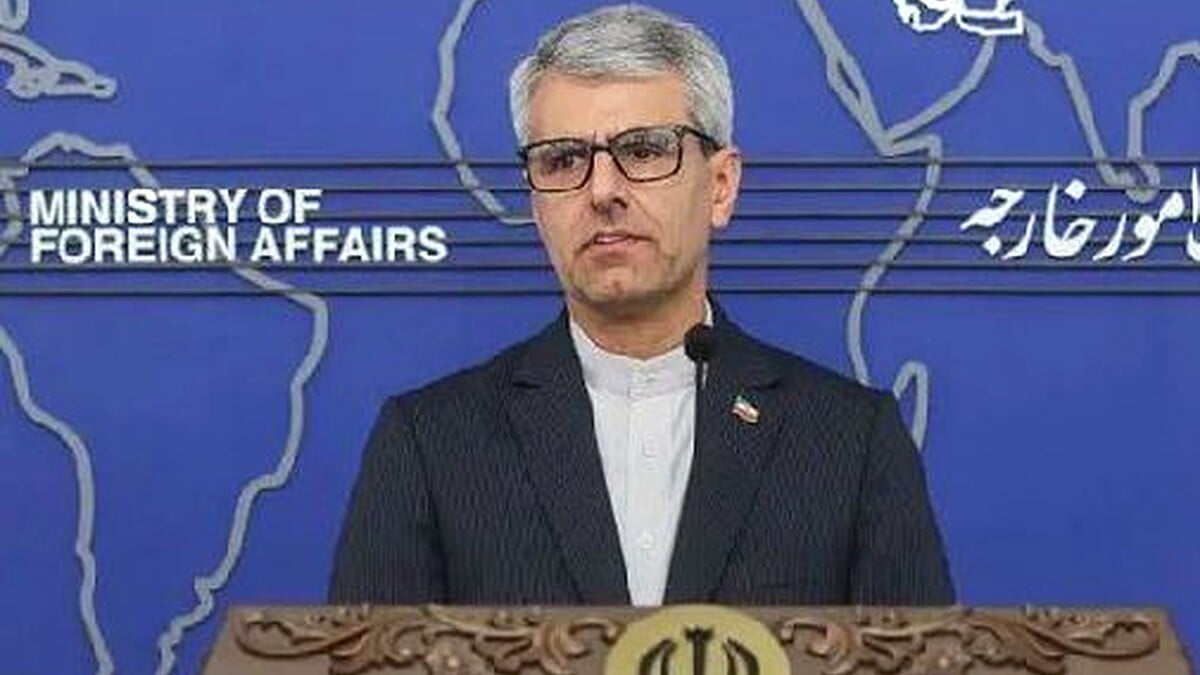
Tehran’s Foreign Ministry issued a clear statement on Saturday, acknowledging regional countries’ steps to reduce tensions while firmly rejecting any notion that Iran initiated the conflict.
“We did not start this war,” the ministry declared. “All such requests for restraint or ceasefire must be directed to Washington.”
Iranian President Masoud Pezeshkian earlier revealed that unspecified countries, now identified through multiple channels as including Pakistan and Turkey, had launched mediation initiatives.
These efforts gained momentum after Turkey, Egypt and Pakistan began passing direct messages between Washington and Tehran, according to reports corroborated by international and regional outlets.
The war erupted on February 28, 2026, when coordinated US-Israeli airstrikes targeted multiple Iranian sites, resulting in the death of Supreme Leader Ali Khamenei and several top commanders.
Iran responded with waves of ballistic missiles and drones, striking US bases across Bahrain, Jordan, Kuwait, Qatar, Saudi Arabia and the UAE.
Preliminary data from the US-based Human Rights Activists News Agency (HRANA) puts Iranian deaths at over 3,230, including 1,407 civilians and at least 210 children.
Iran’s Health Ministry reports around 1,500 killed with more than 18,500 injured, while state media cites slightly lower but still staggering figures exceeding 1,270 fatalities.
On the other side, Israeli authorities confirm 18 to 28 deaths and over 3,700 injuries from Iranian strikes.
US forces suffered 13 soldier fatalities and more than 200 wounded, with Iranian attacks causing an estimated $800 million in damage to American bases and infrastructure alone.
Gulf states reported an additional 21 to 28 deaths, including civilians caught in retaliatory missile barrages on energy facilities.
Pakistan’s Deputy Prime Minister and Foreign Minister Ishaq Dar has played a pivotal role, holding urgent talks in Istanbul and urging immediate de-escalation during Senate briefings.
Dar explicitly warned against further escalation, emphasising Pakistan’s evacuation of citizens from Iran and its commitment to regional stability.
Turkey’s Foreign Minister Hakan Fidan intensified diplomatic shuttles, coordinating with counterparts in Doha and Ankara to facilitate back-channel communications.
Iran’s Foreign Minister Abbas Araghchi held separate calls with officials in Pakistan, Turkey and Egypt, calling for regional coordination against perceived destabilisation.
These moves align with earlier offers by Ankara and Islamabad to host talks, building on their longstanding ties with both Tehran and Washington.
The conflict has already disrupted global energy markets, with Iranian strikes on shared oil and gas fields prompting fears of prolonged supply shocks.
Iranian military spokespersons warned that armed forces are prepared to sustain high-intensity operations for at least six months if attacks continue.
Regional analysts note that Pakistan’s mediation carries unique credibility due to its nuclear status and deep Muslim-world connections.
Turkey’s NATO membership and border proximity to Iran add strategic weight to its involvement.
Both nations have repeatedly stressed that diplomacy remains the only viable path, rejecting any external attempts to alter Iran’s sovereignty.
As mediation gains traction, sources close to the talks indicate progress on de-escalation frameworks focused on halting strikes and addressing underlying grievances.
Iran has reiterated openness to initiatives but ruled out concessions on core defensive capabilities.
The confirmation from Tehran injects fresh momentum into these efforts, raising hopes for a swift end to hostilities that have already claimed thousands of lives.
Pakistan and Turkey’s proactive role underscores their growing influence as regional stabilisers at a critical juncture.
Observers warn that failure to capitalise on this window could see the war expand further, with devastating consequences for the entire Middle East and beyond.