



ISLAMABAD: Major General Ali Abdollahi, commander of Iran’s Khatam al-Anbiya Central Headquarters, has announced a fundamental change in Tehran’s military thinking. Iran’s armed forces have moved from a defensive posture to an aggressive strategy, he declared on Saturday.
The senior officer stated that the shift is now complete and that tactics have been fully adapted. Armed forces will use newly developed weapons to disrupt enemy calculations before they materialise, he added.
According to Abdollahi, these advanced systems, designed by young Iranian scientists, are already deployed on active battlefields. Further breakthroughs are expected in the near future, he said.
The general stressed that national unity and public support form the cornerstone of Iran’s strength. These factors alone guarantee long-term success against any threat, he emphasised.
Khatam al-Anbiya Central Headquarters coordinates all joint operations across Iran’s regular army and the Islamic Revolutionary Guard Corps. It functions as the highest operational command body for the armed forces.
This doctrinal evolution reflects Tehran’s response to evolving regional threats. Analysts link the change to recent direct confrontations that began earlier this year.
Historically, Iran relied on asymmetric warfare and deterrence to protect its territory and regime. The new offensive approach, often described as forward defence, now extends operations beyond borders using missiles, drones and proxies.
Iran maintains the Middle East’s largest ballistic missile inventory. Pre-conflict estimates placed the stockpile between 2,500 and 6,000 units, with ranges reaching 2,000 kilometres.
In the current conflict, Iranian forces have fired more than 500 ballistic missiles and over 2,000 drones at adversary targets. These strikes have demonstrated both reach and persistence despite defensive countermeasures.
Drone production capacity remains a strategic advantage. Iran can manufacture up to 10,000 units per month, allowing sustained operations even under pressure.
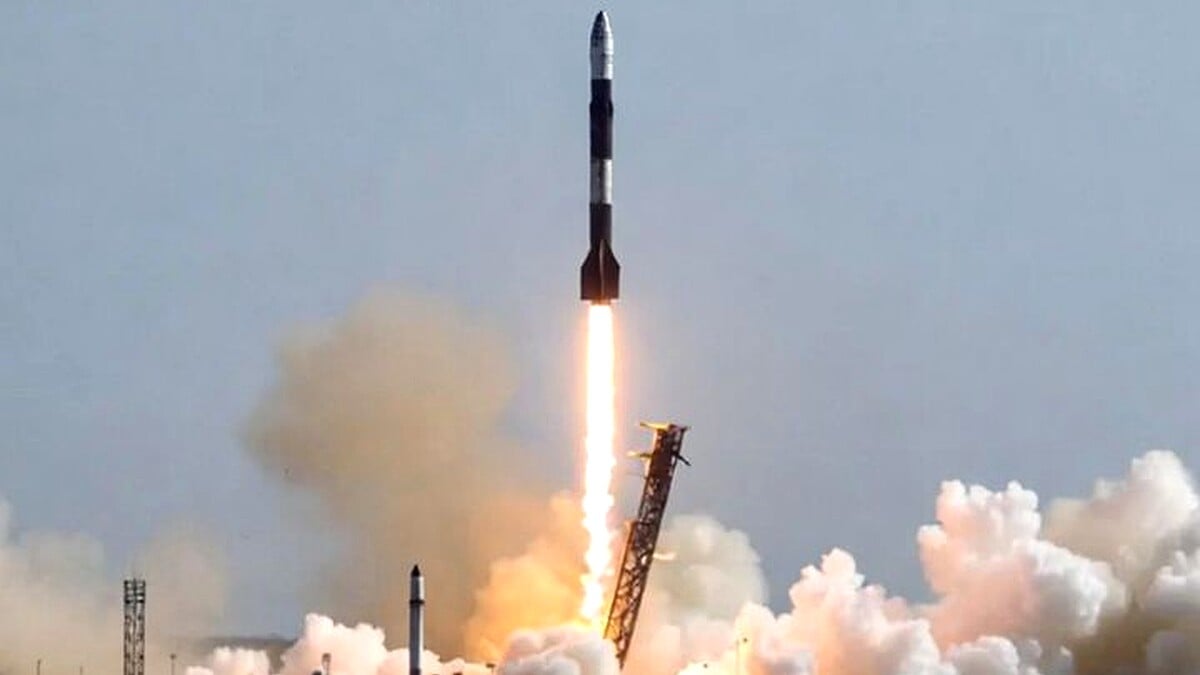
Indigenous innovation drives much of this capability. Young scientists have delivered systems such as the hypersonic Fattah missile, which achieves extreme speeds and challenges existing interception technologies.
Defence spending supports these advances. Iran allocated $7.9 billion in 2024, with proposals for a substantial increase to nearly $9.2 billion in the coming year.
Abdollahi highlighted the role of motivated researchers in recent battlefield successes. These weapons have already forced adversaries to reconsider their plans, he noted.
The commander’s remarks arrive amid heightened tensions across the region. They signal Tehran’s intent to move beyond retaliation toward proactive disruption.
National cohesion has sustained Iran through years of sanctions and external pressure. Abdollahi described this unity as the true foundation of military resilience.
Observers note that the offensive pivot builds on lessons from past conflicts, including the Iran-Iraq War and subsequent proxy engagements. Decentralised command structures now complement the new strategy.
Future developments will focus on even more sophisticated platforms. Iranian scientists continue work on precision guidance and multi-domain systems, according to official statements.
The announcement carries clear implications for regional stability. Neighbouring states, including those in South Asia, are watching closely for shifts in security dynamics.
Pakistan maintains strategic interest in Gulf stability and monitors Iran’s posture with care. The doctrinal change adds a new layer to existing regional calculations.
Tehran frames the transition as a natural evolution rooted in self-reliance. Domestic production of weapons has reduced dependence on foreign supplies significantly.
Military analysts describe the strategy as a blend of deterrence and disruption. It aims to impose costs on adversaries without requiring large-scale conventional engagements.
Public support remains essential for sustained operations. Abdollahi reiterated that unity between armed forces and civilians will prove decisive in coming tests.
Iran’s armed forces have already demonstrated the effectiveness of the new approach in recent engagements. Heavy blows delivered to opposing forces have altered the battlefield equation, officials claim.
The Khatam al-Anbiya command continues to oversee joint exercises and operational planning. Annual manoeuvres integrate missile, drone and cyber elements under unified leadership.
As the situation develops, further details on specific weapon systems may emerge. Iranian media have hinted at additional unveilings in the months ahead.
The statement reinforces Tehran’s message of resolve and technological independence. It positions Iran as a proactive player capable of shaping outcomes in any future crisis.
Regional powers and international observers will assess the practical impact of this doctrinal shift in the coming weeks. The emphasis on offensive capabilities marks a notable departure from decades of stated defensive policy.