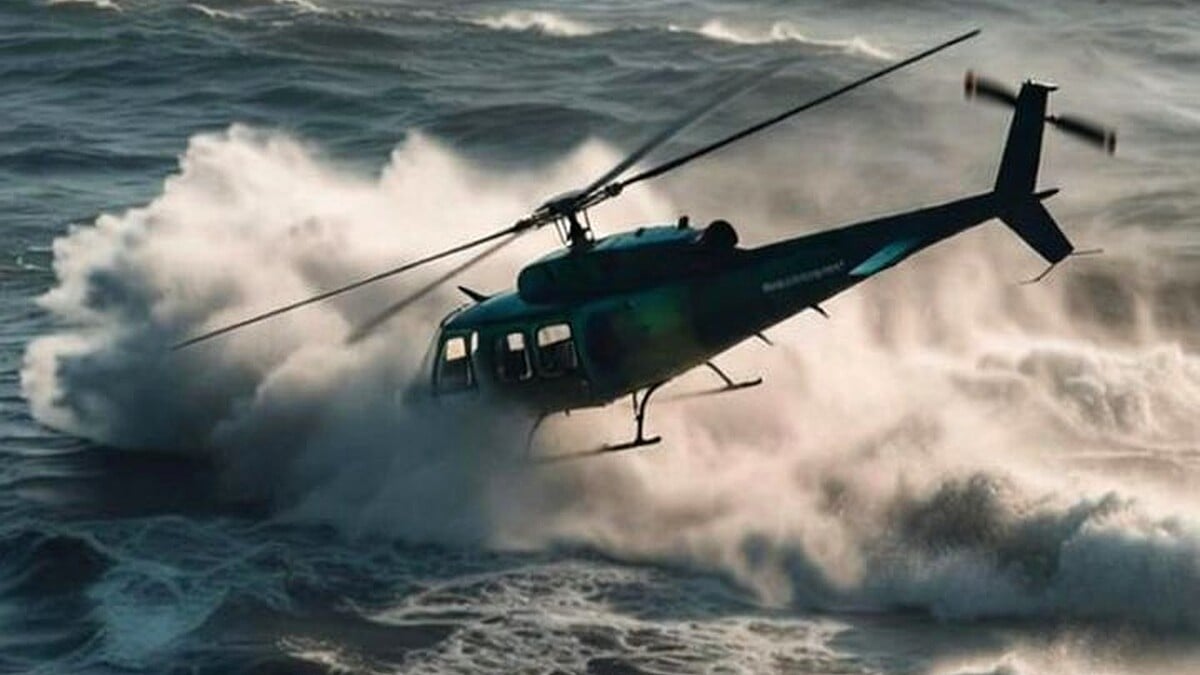




ISLAMABAD: A Qatari military helicopter crashed into the country’s territorial waters on Sunday after suffering a technical malfunction during a routine mission, killing six people while search operations continue for one missing crew member.
The Qatar Defence Ministry confirmed the incident through an official statement posted on social media platform X. It stated that the helicopter experienced a mechanical fault while carrying out routine duty, leading directly to the crash in the regional waters of the state.
Specialised teams from the Ministry of Interior have launched immediate search and rescue operations. These efforts involve close coordination with the Maritime Search and Rescue Team of the General Directorate of Coasts and Borders Security as well as the Qatar International Search and Rescue Group of the Internal Security Force.
The Interior Ministry reported that six individuals were found dead following the crash. Operations remain active to locate the seventh person believed to have been on board.
No indication of hostile action or external interference has emerged from official sources. Both the Defence and Interior ministries have attributed the tragedy solely to the reported technical malfunction.
The incident unfolds against a backdrop of heightened tensions across the Middle East. Coordinated US and Israeli military strikes on Iran began on February 28, prompting retaliatory Iranian missile and drone attacks on several Gulf states, including Qatar.
Qatar’s strategic energy infrastructure, such as the Ras Laffan Industrial City, has faced multiple strikes in recent weeks. These developments have placed additional pressure on regional air and maritime security protocols.
Qatar maintains one of the most modern armed forces in the Gulf region. The Emiri Air Force has invested heavily in advanced rotary-wing aircraft for patrol and rapid response duties, reflecting the country’s focus on protecting its extensive maritime boundaries and vital LNG export routes.
Routine missions like the one involved in Sunday’s crash form a core part of Qatar’s defence strategy. These patrols help secure the Persian Gulf waters that serve as critical corridors for global energy shipments.
Military aviation experts note that technical malfunctions remain a persistent risk even in well-maintained fleets. Qatar’s armed forces have maintained a strong safety record in recent years, with few publicised incidents prior to this event.
The crash highlights the operational challenges faced by Gulf militaries amid rising regional instability. Forces must balance heightened alert levels with the demands of daily maintenance and training.
Search and rescue teams continue to operate in the affected waters using specialised vessels and aircraft. Authorities have not yet released the exact type of helicopter involved or the identities of those on board.
Qatar’s close security partnerships with international allies, including hosting major US air bases, have bolstered its rapid response capabilities. These alliances may assist in ongoing recovery efforts if required.
Regional observers are monitoring the situation closely for any broader impact on Gulf stability. The Persian Gulf remains a flashpoint where military movements and technical operations intersect with geopolitical risks.
The Defence Ministry has pledged full transparency as investigations progress. Preliminary findings continue to point toward a mechanical issue rather than any external threat.
This tragedy serves as a reminder of the inherent dangers in military aviation. Even routine patrols demand the highest standards of aircraft upkeep and crew preparedness.
Qatar has expressed gratitude to all participating rescue teams. The coordinated response demonstrates the country’s robust emergency management framework.
As operations enter their next phase, families of the victims await further updates. The nation mourns the loss while focusing on recovery and prevention measures for future missions.
The incident has drawn attention to the need for continued investment in aviation safety technology across Gulf forces. Regional militaries increasingly rely on predictive maintenance systems to mitigate such risks.
Qatar’s leadership has long emphasised preparedness in both peacetime and crisis scenarios. Sunday’s events underscore the importance of that approach in an unpredictable security environment.
Search efforts are expected to intensify in the coming hours. Officials remain hopeful of locating the missing individual despite challenging sea conditions.
The Qatar Armed Forces continue to perform essential duties across land, air and sea domains. This latest loss will likely prompt an internal review of helicopter maintenance protocols.
International partners have offered support should it be requested. Qatar’s strategic position ensures that any developments will be watched globally for potential effects on energy markets.
The full circumstances surrounding the technical malfunction will form the subject of a detailed inquiry. Authorities have committed to sharing outcomes once available.
For now, the priority remains the ongoing search and support for those affected. Qatar stands united in facing this operational setback during a period of wider regional strain.