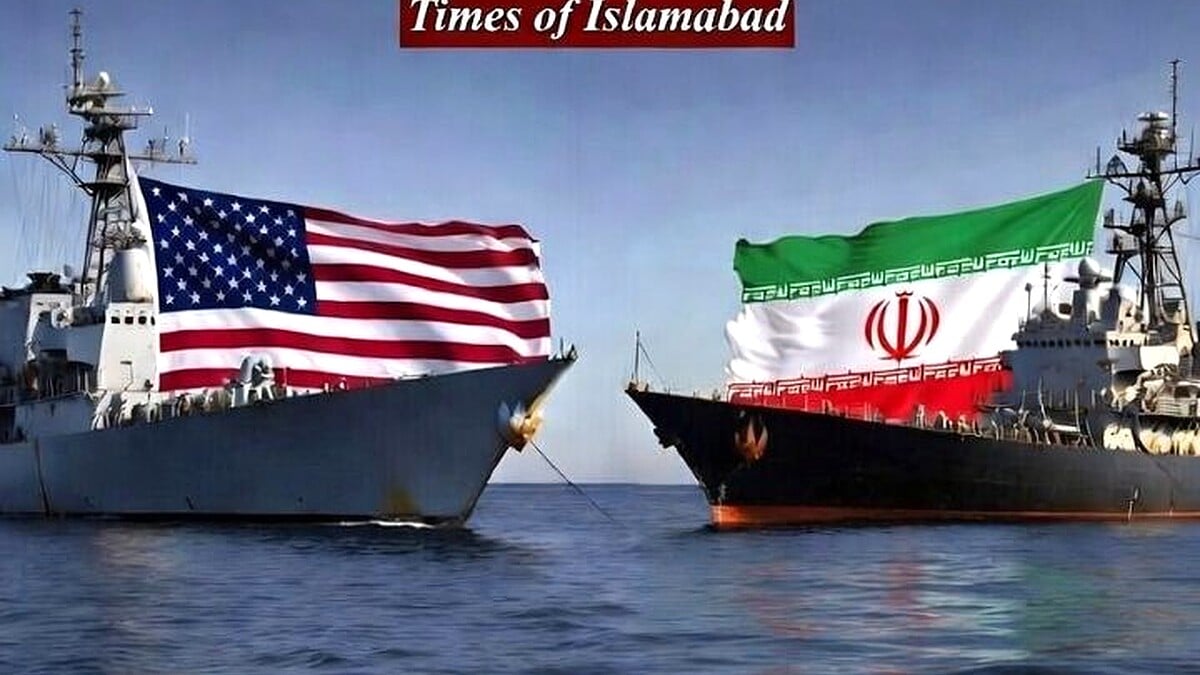




ISLAMABAD: A senior diplomatic adviser to the UAE president has indicated that the country could participate in a US-led international effort to safeguard shipping through the Strait of Hormuz, highlighting shared responsibility for global energy flows.
Anwar Gargash made the remarks during an online event hosted by the Council on Foreign Relations, a prominent American think tank, according to Reuters reports circulated on March 17, 2026.
Gargash emphasized that ensuring the uninterrupted flow of trade and energy remains a collective obligation for nations dependent on stable maritime routes.
The Strait of Hormuz, a narrow waterway between the Persian Gulf and the Gulf of Oman, handles approximately one-fifth of the world’s seaborne oil trade and a significant portion of liquefied natural gas exports.
Disruptions in this chokepoint have historically triggered sharp increases in global energy prices and supply concerns.
Recent escalations in the region, including reported threats to shipping and military activities involving Iran, have intensified calls for enhanced security measures.
Gargash clarified that no formal plan has been finalized, and discussions continue among potential participants.
He stressed the absence of active talks between the UAE and Iran at present, underscoring a cautious diplomatic stance.
The UAE’s potential involvement aligns with its strategic interests as a major oil exporter and hub for global commerce.
Abu Dhabi has consistently advocated for freedom of navigation in key waterways, viewing them as essential to economic stability.
Gargash’s comments emerge against a backdrop of broader US efforts to assemble a multinational coalition for maritime protection.
US officials have urged allies to contribute naval assets for escort operations and intelligence sharing.
President Donald Trump has publicly pressed several nations to join such initiatives, citing the heavy reliance of many countries on Gulf energy supplies.
Proposals include coordinated patrols and response protocols to deter threats from anti-ship missiles, drones, or fast attack craft.
The UAE’s openness contrasts with positions taken by some other nations, which have expressed reservations about immediate participation amid ongoing conflicts.
France has indicated it will not engage in operations to unblock the strait during current hostilities.
Poland has similarly ruled out sending troops or direct involvement.
Gulf states face acute economic pressures from any prolonged closure of the strait.
Alternative export routes, such as pipelines bypassing the waterway, offer limited capacity compared to normal transit volumes.
Saudi Arabia and the UAE maintain bypass infrastructure capable of handling only a fraction of their typical exports.
Storage capacities provide temporary buffers, estimated at weeks for some producers before output reductions become necessary.
International Energy Agency data underscores the strait’s vulnerability, with daily flows historically reaching around 20 million barrels.
The UAE’s diplomatic posture reflects a balance between restraint and readiness to protect vital interests.
Gargash has repeatedly highlighted Abu Dhabi’s preference for dialogue while affirming the right to self-defense against perceived aggression.
No formal commitments have been announced, and the coalition’s structure remains under negotiation.
Observers note that Gulf participation could signal broader regional buy-in for US-led security frameworks.
The development occurs as global attention focuses on energy security implications.
Market reactions to potential disruptions have already influenced oil pricing dynamics.
Experts argue that sustained international cooperation is necessary to restore confidence in Gulf shipping lanes.
The UAE’s signaled willingness may encourage other states to consider similar steps.
Gargash reiterated the importance of guarantees addressing underlying regional threats, including nuclear and missile programs.
Such conditions could shape future diplomatic engagements.
The statement from the UAE adviser represents a measured yet significant contribution to ongoing discussions on maritime security.
It underscores the interconnected nature of Gulf stability and global economic well-being.