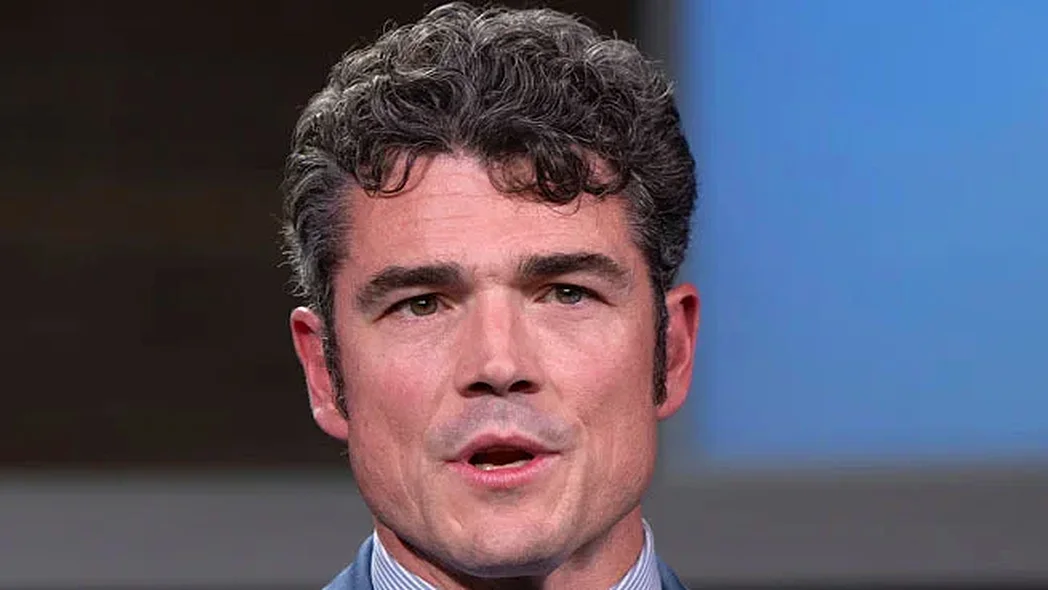




The resignation of the director of the United States National Counterterrorism Center has sent shockwaves through Washington, marking the first high-level departure from President Donald Trump’s administration over the ongoing military campaign in Iran.
Senior US counterterrorism chief resigns protesting Iran war
ISLAMABAD: The director of the National Counterterrorism Center resigned on Tuesday, becoming the first and most senior official in President Donald Trump’s administration to step down in protest against the United States’ involvement in the war in Iran.
Joseph Kent, who leads the key intelligence body responsible for coordinating counterterrorism efforts across US agencies, announced his immediate resignation in a public letter addressed to the president and shared on social media platform X.
In the letter, Kent stated that he could not in good conscience continue to support the ongoing conflict. He explicitly asserted that Iran presented no imminent threat to the United States and accused the administration of initiating the war under pressure from Israel and its influential lobby in America.
This development comes amid escalating military operations that began in late February 2026 under Operation Epic Fury, a joint US-Israeli campaign aimed at dismantling Iran’s nuclear capabilities, ballistic missile arsenal, and proxy networks.
President Trump has repeatedly defended the action as a necessary measure to prevent a potential nuclear threat from Tehran and to achieve what he described as a decisive victory in a limited timeframe of weeks.
Administration officials have claimed that US and allied forces are ahead of schedule, with significant degradation of Iranian military infrastructure reported in the initial phases.
Kent, a decorated former US Army Special Forces member and longtime Trump supporter, was confirmed to his position in mid-2025 following a closely divided Senate vote.
His appointment was seen as aligning with the administration’s focus on aggressive counterterrorism policies, including enhanced border security and refocused efforts against emerging threats.
The National Counterterrorism Center, operating under the Office of the Director of National Intelligence, plays a central role in fusing intelligence from various sources to advise the president on terrorism risks.
Kent’s resignation highlights growing internal divisions within the administration over the justification and conduct of the Iran campaign.
Multiple reports indicate that the conflict has already resulted in American casualties, including service members killed in related incidents, and has triggered regional instability with retaliatory actions affecting US interests.
Critics within and outside the government have questioned the intelligence basis for claiming an imminent threat from Iran’s nuclear program, noting that prior assessments often emphasized Iran’s pursuit of capabilities rather than immediate weaponization.
Kent’s blunt accusation of external influence echoes longstanding debates in US foreign policy circles about the role of allied priorities in shaping American military decisions.
The letter’s public posting on X amplified its impact, drawing immediate attention from media outlets and prompting discussions on potential further defections.
Analysts suggest that such a high-profile exit could complicate the administration’s messaging on the war, particularly as Trump has shifted between declaring victory and warning of prolonged engagement.
The White House has not yet issued a formal response to Kent’s departure, though sources indicate efforts are underway to appoint an acting director swiftly to maintain continuity in counterterrorism operations.
The war itself stems from failed negotiations in 2025 aimed at curbing Iran’s nuclear activities, after which military escalation followed.
Trump has framed the operation as peace through strength, emphasizing the elimination of long-term threats posed by Tehran’s support for terrorism and regional proxies.
However, Kent’s statement challenges that narrative by asserting a lack of direct peril to US national security.
This is not the first instance of internal dissent in the administration’s foreign policy ranks, but it stands out for the seniority of the official involved and the direct critique of the war’s origins.
Observers note that Kent’s background as a veteran and his previous political campaigns add weight to his protest, potentially resonating with segments of the president’s base skeptical of prolonged overseas conflicts.
The resignation arrives at a critical juncture, with reports of ongoing strikes, including Israeli actions targeting high-value Iranian figures, and broader implications for Middle East stability.
As the conflict enters its third week, questions about exit strategies, post-war governance in Iran, and the risk of wider escalation persist.
Kent’s departure may fuel congressional scrutiny and public debate over the war’s costs, both human and strategic.