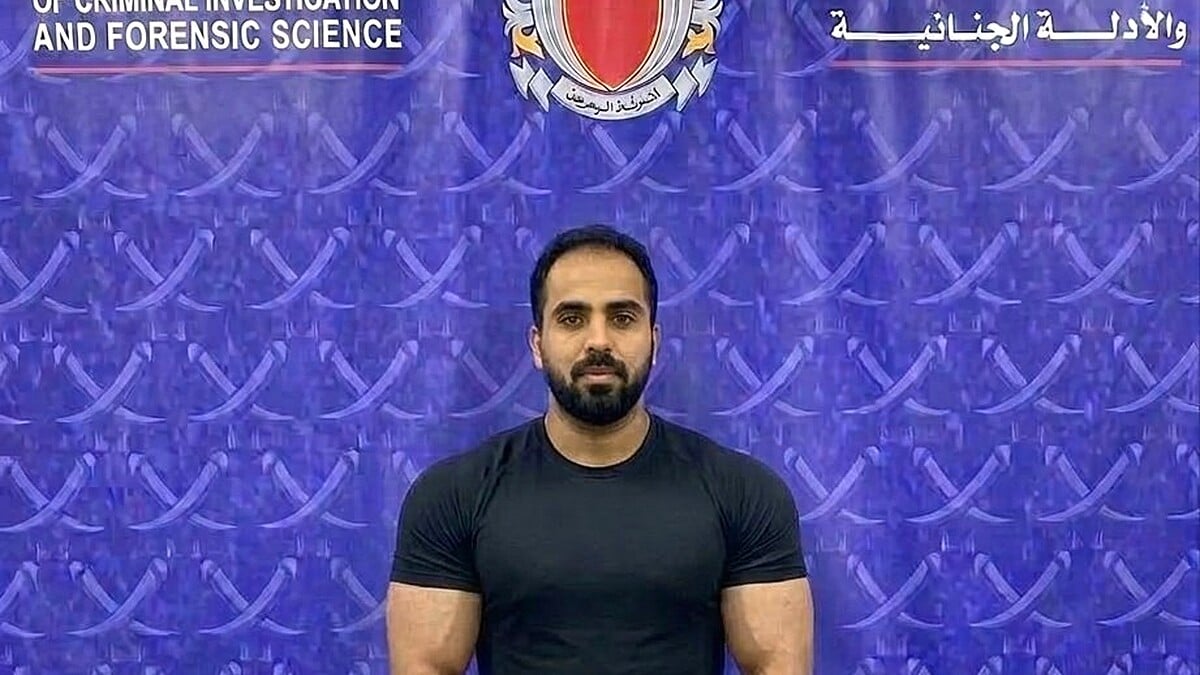




ISLAMABAD: Bahraini authorities have arrested an Indian national identified as Nitin Mohan, a telecommunications engineer, on allegations of espionage for Israel’s Mossad intelligence agency.
The arrest, reported on March 10, 2026, marks a significant security development in the Gulf kingdom amid heightened regional tensions.
Preliminary investigations indicate that Mohan allegedly transmitted sensitive geospatial data, photographs, and video reconnaissance of strategic locations to Mossad.
Such information could potentially aid foreign intelligence analysis and targeting assessments, according to reports from multiple regional sources.
Bahrain’s intelligence services acted swiftly to detain the suspect, highlighting the kingdom’s vigilance against threats to national security.
The case underscores vulnerabilities in expatriate-heavy sectors like telecommunications, where access to infrastructure provides opportunities for data collection.
Mohan, employed in Bahrain’s telecom industry, reportedly shared imagery and operationally relevant details that could compromise critical sites.
Authorities have not disclosed the full extent of the leaked material or whether it involved active surveillance operations.
The arrest follows a pattern of espionage concerns in Gulf states involving foreign nationals and Israeli intelligence links.
In recent years, similar incidents have surfaced in neighbouring countries, raising questions about recruitment networks.
Bahrain maintains close security cooperation with several international partners but remains alert to external interference.
The Ministry of Interior confirmed the detention but withheld further technical details pending ongoing investigations.
Investigators are examining the scope of the data leak and probing whether others formed part of a suspected network linked to Mossad.
Sources familiar with the matter suggest the shared content included site-specific visuals useful for reconnaissance purposes.
Telecommunications engineers often handle network mapping and infrastructure oversight, granting them access to location-based data.
This access allegedly enabled Mohan to gather and transmit geospatial intelligence without immediate detection.
The incident has drawn attention to the risks posed by expatriate workers in sensitive industries across the Gulf.
Bahrain hosts a large Indian community, many employed in engineering and technology roles supporting economic diversification efforts.
Such arrests, though rare, can strain bilateral ties if not managed diplomatically.
No official response has emerged from Indian authorities regarding the detention as of the latest reports.
The case may prompt enhanced screening protocols for foreign personnel in strategic sectors.
Regional analysts view the arrest as part of broader counter-espionage measures amid geopolitical rivalries.
Israel’s Mossad has long been accused of operating covert networks in the Middle East to gather intelligence.
Bahrain normalised relations with Israel under the Abraham Accords in 2020, but security threats persist from various actors.
This development occurs against a backdrop of evolving alliances and persistent suspicions in the region.
The leaked data reportedly focused on strategic locations, potentially including military or critical infrastructure sites.
Video reconnaissance and photographs could support detailed mapping for operational planning.
Bahraini officials emphasised that the arrest demonstrates effective intelligence capabilities in neutralising threats.
Further interrogations are expected to reveal the duration of the alleged activities and communication channels used.
The suspect remains in custody as authorities build their case.
Espionage charges carry severe penalties under Bahraini law, including lengthy imprisonment.
The incident highlights the intersection of technology, intelligence, and international relations in the Gulf.
Telecom sectors worldwide face increasing scrutiny over data security and foreign influence risks.
Bahrain’s proactive stance may serve as a deterrent to similar attempts in the future.
As investigations continue, more details could emerge about the nature and impact of the alleged breach.
The arrest reinforces the importance of robust counter-intelligence frameworks in small but strategically vital states.
Regional observers await official statements for clarity on diplomatic implications.