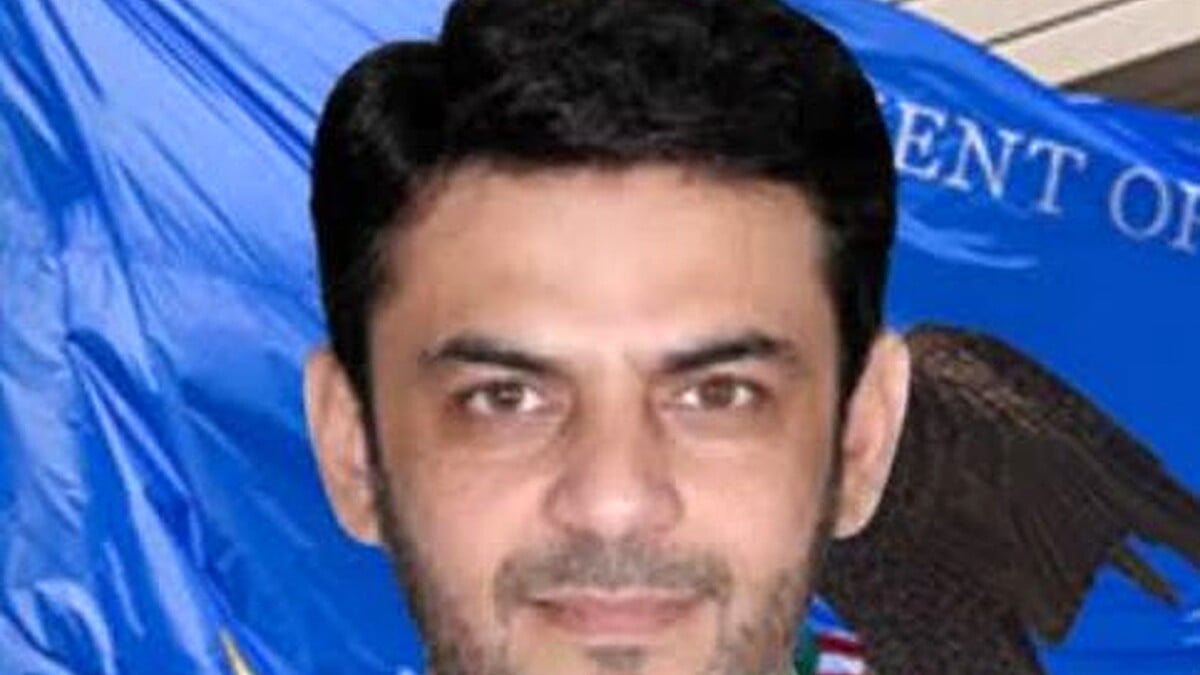




ISLAMABAD: A Pakistani national on trial in the United States has claimed in federal court that he was coerced by alleged Iranian operatives into plotting assassinations of former US presidents Donald Trump and Joe Biden, igniting renewed scrutiny over cross-border espionage networks and their potential reach into South Asia.
The accused, 47-year-old Asif Merchant, appeared before a federal jury in Brooklyn this week, where prosecutors allege he attempted to hire individuals he believed to be contract killers to carry out attacks against high-profile American political figures. The case, unfolding in the Eastern District of New York, has attracted significant diplomatic and security attention due to its explosive geopolitical undertones.
According to testimony presented in court, Merchant asserted that individuals he identified as Iranian intelligence operatives pressured him into participating in the alleged conspiracy. He told jurors that threats were made against his family, leaving him, in his words, with “no other options.” His defense appears to hinge on coercion, arguing that he acted under duress rather than ideological conviction.
United States prosecutors, however, have painted a sharply different picture. They contend that Merchant knowingly engaged in planning and provided financial compensation — reportedly $5,000 — to two undercover agents from the Federal Bureau of Investigation posing as hired assassins. Authorities say the payment was intended as a down payment for the planned killings, which allegedly targeted both former president and incumbent President .
Court filings indicate that the alleged plot was disrupted before any operational stage was reached. The Federal Bureau of Investigation had reportedly initiated surveillance following intelligence leads suggesting possible foreign-backed threats against senior American political figures. Law enforcement officials testified that Merchant engaged in recorded conversations detailing logistical elements of the supposed attack plan.
Security analysts note that cases involving alleged foreign intelligence recruitment are exceptionally sensitive. While Washington has long accused of conducting covert operations abroad, Tehran has consistently denied sponsoring assassination plots on US soil. The courtroom claims, though unproven, have added a new layer of complexity to already strained relations between the two countries.
The geopolitical backdrop is significant. US–Iran relations have remained tense since Washington’s withdrawal from the 2015 nuclear agreement and the subsequent reimposition of sanctions. Accusations of espionage, cyber operations, and proxy conflicts have frequently surfaced in official rhetoric. However, direct claims involving assassination attempts against serving or former US presidents represent an extraordinary escalation in narrative.
Legal experts following the proceedings say the burden of proof will rest heavily on prosecutors to demonstrate intent and voluntary participation. Under US federal law, conspiracy to commit murder of a federal official carries severe penalties, including potential life imprisonment. The defense’s argument of coercion will require credible evidence of threats that meet the legal threshold for duress.
The trial has also prompted discussion within Pakistani diplomatic circles, although officials in Islamabad have so far refrained from public comment on the matter. Historically, cases involving Pakistani nationals accused of terrorism-related offenses abroad have generated diplomatic sensitivities, particularly when allegations intersect with broader regional rivalries.
Analysts emphasize that the presence of undercover agents in the case underscores a pattern in US counterterrorism strategy. The Federal Bureau of Investigation has frequently employed sting operations in high-profile cases involving alleged extremist plots. Supporters argue that such tactics prevent violence before it occurs, while critics question whether vulnerable individuals are sometimes drawn into schemes they might not otherwise have executed.
Data from US Department of Justice reports indicate that a significant proportion of domestic terrorism-related prosecutions over the past decade have involved undercover operations. These methods often rely on confidential informants and monitored communications to establish evidence of intent and capability.
In the current case, prosecutors reportedly presented audio recordings and financial transaction records to demonstrate active planning. Defense attorneys have challenged the characterization of these interactions, arguing that their client was manipulated and acted out of fear rather than malice.
The broader implications of the trial extend beyond the courtroom. If substantiated, claims of foreign intelligence coercion would intensify international scrutiny and could prompt diplomatic protests or sanctions. Conversely, if the defense successfully casts doubt on the narrative of deliberate conspiracy, questions may arise regarding investigative methods and entrapment standards.
For Pakistan, the episode risks renewed reputational challenges at a time when the country seeks to strengthen economic and security partnerships with Western capitals. Observers caution, however, against drawing premature conclusions before the judicial process reaches its verdict.
As proceedings continue, the courtroom drama reflects deeper anxieties shaping global security discourse — from transnational espionage to the evolving methods of counterterrorism enforcement. Whether the jury ultimately accepts the prosecution’s portrayal of calculated conspiracy or the defense’s claim of coercion will determine not only Merchant’s fate but potentially influence diplomatic narratives already fraught with suspicion.
The case stands as a reminder of the fragile intersection between geopolitics and individual accountability. In an era defined by hybrid warfare and intelligence rivalry, even allegations can reverberate far beyond the walls of a federal courthouse.