



ISLAMABAD: Pakistan will not hesitate to target top leadership of the Afghan Taliban, including reclusive supreme leader Hibatullah Akhundzada, if credible intelligence becomes available, a senior security source disclosed on Monday, as Islamabad presses ahead with an expanded military campaign across the border.
In a background briefing, the security source did not rule out the possibility of taking out Taliban leaders while responding to a question on whether Pakistan’s ongoing operations would also extend to the Taliban’s political and military leadership.
“If there is actionable intelligence, no target will be off the table,” the source said. “This includes the top leadership.”
The statement comes amid heightened tensions following Pakistan’s launch of Operation Ghazab Lil Haq, or Righteous Fury, in late February 2026. The operation was triggered by unprovoked cross-border attacks from Afghan Taliban forces on Pakistani positions along the Durand Line.
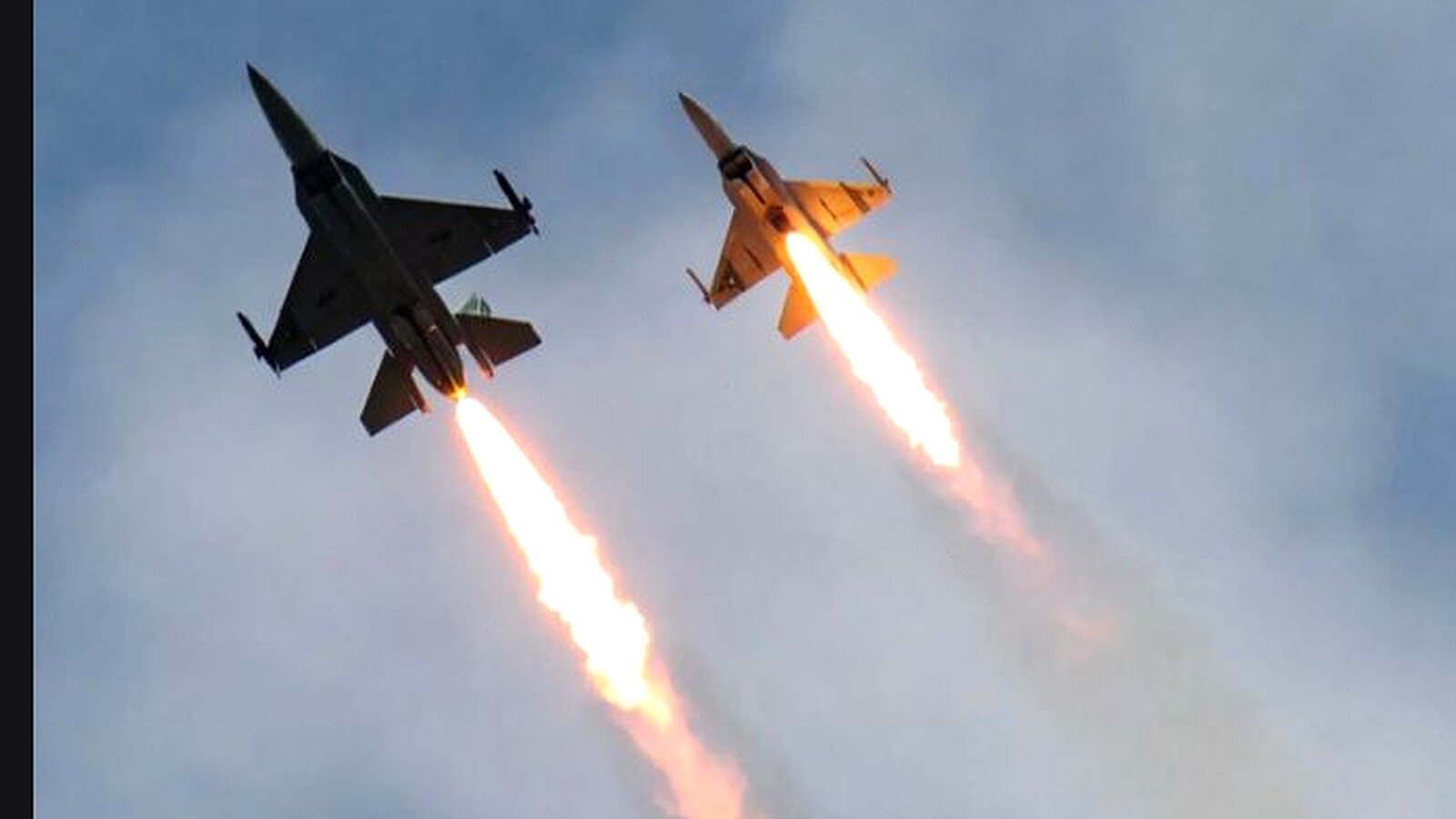
Pakistan’s military responded with precision air strikes and ground operations targeting Taliban military installations in Kabul, Kandahar, Paktia, Nangarhar, and other provinces. Officials described the strikes as calibrated to degrade infrastructure supporting cross-border terrorism.
The focus remains on Taliban military bases, ammunition depots, and facilities aiding the outlawed Tehrik-e-Taliban Pakistan (TTP) and affiliated groups. Islamabad accuses the Afghan Taliban regime of harboring TTP militants, who have escalated attacks inside Pakistan since the Taliban’s return to power in 2021.
The senior official emphasized that the military operates without artificial deadlines. “Pakistan is not in a hurry. This operation will be taken to its logical end,” the source stressed, signaling a long-haul strategy rather than a short-term response.
According to the source, the campaign will persist until Kabul makes a “clear and irreversible choice” between supporting the TTP and cooperating with Pakistan. “The Afghan Taliban cannot ride two boats,” the source remarked, describing the Kabul regime as a “master proxy” enabling anti-Pakistan militants to regroup.
The source specifically called for the handover of TTP leader Noor Wali Mehsud and other Pakistani terrorists sheltering in Afghanistan. Failure to cooperate, he warned, would invite sustained and intensified strikes. “If they don’t cooperate, we will continue to hit them hard.”
Pakistan’s operations have already undermined Taliban operational capacity significantly. Without providing specifics, the source indicated that casualties inflicted in recent strikes were “far higher” than publicly acknowledged.
“The impact is substantial. Their infrastructure has been degraded to an extent that they are feeling the pressure,” he said, hinting at deeper successes than reflected in official statements.
The escalation marks a sharp deterioration in relations between former allies. Pakistan long supported the Afghan Taliban during their insurgency against US-led forces, but post-2021 ties soured over TTP activities. Reports indicate over 1,000 TTP-linked violent incidents in Pakistan in 2025 alone, with attacks continuing into 2026.
In recent weeks, Pakistan’s strikes reached deep into Afghan territory, including areas near Kandahar, where Hibatullah Akhundzada is believed based. Defense Minister Khawaja Asif declared an “open war” following initial clashes, underscoring Islamabad’s resolve.
Casualty figures from Pakistan’s side claim hundreds of Afghan Taliban and TTP fighters killed, with numerous posts destroyed and vehicles eliminated in Operation Ghazab Lil Haq. Independent verification remains challenging amid conflicting narratives.
The Afghan Taliban has condemned the strikes as sovereignty violations and reported engaging Pakistani aircraft. Regional and global powers, including the United States, China, Russia, and Iran, have urged restraint to prevent further escalation.
Analysts warn that continued hostilities risk broader instability, potentially boosting TTP and other militant support inside Pakistan. The border region’s porous nature and historical grievances complicate de-escalation efforts.
Pakistan maintains its actions are defensive, aimed at neutralizing threats from Afghan soil. The security source reiterated demands for Kabul to dismantle TTP sanctuaries, framing the conflict as a choice between peace and proxy warfare.
As operations continue, the possibility of targeting high-level Taliban figures like Hibatullah Akhundzada introduces a new dimension. Such moves would represent a major escalation, with potential for severe retaliation and regional fallout.
The situation underscores the persistent challenge of cross-border militancy. Pakistan’s calibrated yet resolute approach seeks to force a strategic shift in Kabul, amid warnings that failure could prolong the confrontation.