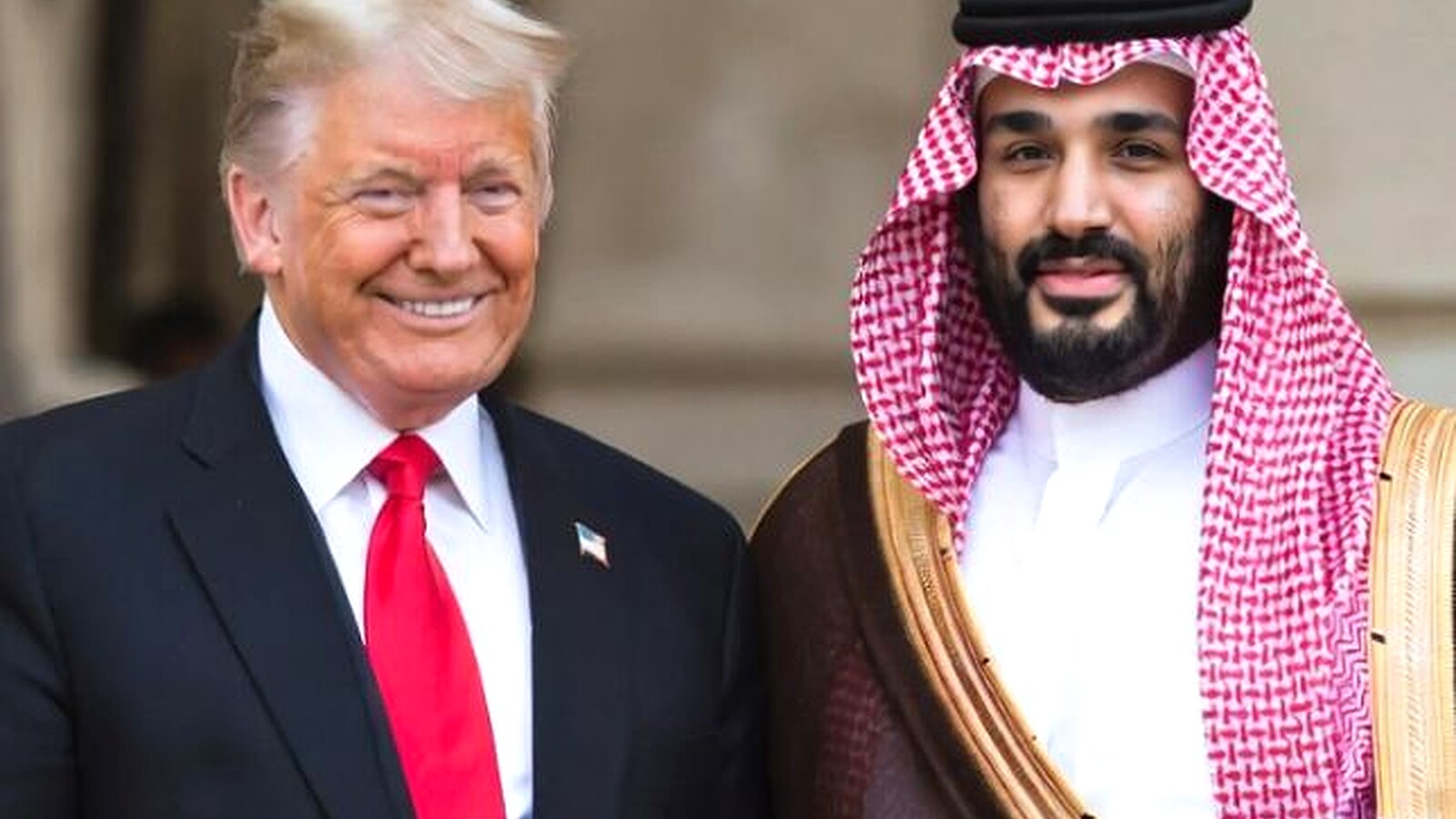




ISLAMABAD: Saudi Arabia has firmly rejected reports in American media alleging that it exerted pressure on US President Donald Trump to launch military strikes against Iran.
The denial came swiftly following a Washington Post article claiming that Crown Prince Mohammed bin Salman made multiple private phone calls to Trump last month, urging decisive action despite public emphasis on diplomacy.
Fahad Nazer, spokesperson for the Saudi Embassy in Washington, issued a clear statement on social media platform X, describing the allegations as false.
He emphasized that the kingdom has remained consistent in supporting diplomatic efforts to achieve a credible agreement with Iran.
“At no point in all our communication with the Trump Administration did we lobby the President to adopt a different policy,” Nazer stated.
This refutation addresses mounting speculation amid the ongoing US-Israeli military campaign against Iran, which has escalated regional tensions significantly.
The Washington Post report, based on four anonymous sources familiar with the matter, suggested a discrepancy between Saudi Arabia’s public stance and private messaging.
It claimed Riyadh publicly advocated de-escalation while privately pushing for strikes, alongside similar efforts from Israel.
The article linked these alleged influences to Trump’s decision to authorize wide-ranging attacks, resulting in the reported death of Iran’s Supreme Leader Ayatollah Ali Khamenei.
Saudi officials have maintained that they assured Iranian President Masoud Pezeshkian that the kingdom would not allow its airspace or territory for attacks on Iran.
Such assurances aligned with Riyadh’s broader policy of avoiding direct entanglement in the conflict.
The kingdom’s position reflects long-standing concerns over Iran’s nuclear program and regional proxies, yet it has prioritized dialogue in recent years.
Diplomatic channels, including talks mediated by Oman, had been pursued before the strikes intensified.
Observers note that Saudi Arabia condemned Iran’s retaliatory attacks on Gulf infrastructure, including strikes on energy facilities like the Ras Tanura refinery.
These incidents prompted statements reserving the right to respond, though Riyadh has urged Gulf allies to avoid actions that could further inflame the situation.
Sources indicate Crown Prince Mohammed bin Salman conveyed messages to leaders in Bahrain, Kuwait, Qatar and the United Arab Emirates to exercise restraint.
This approach underscores a calculated effort to limit escalation while protecting national interests.
The broader context involves US intelligence assessments that reportedly saw no imminent threat from Iran prior to the strikes.
Nevertheless, regional allies argued for preemptive action to curb Tehran’s ballistic missile capabilities and influence.
Trump has described the operation as necessary to address Iran’s nuclear ambitions and has not ruled out ground troops if required.
He indicated the campaign could extend for weeks, with reinforcements deployed to the Middle East.
Iranian officials, including Supreme National Security Council secretary Ali Larjani, have rejected negotiations and criticized US objectives as delusional.
Tehran vows continued resistance, with retaliatory strikes targeting US bases and allies across the region.
Gulf states hosting American forces, such as those in Qatar and the United Arab Emirates, have faced missile and drone attacks, causing casualties among migrant workers.
Saudi Arabia intercepted hostile drones near Prince Sultan Air Base, a key US military facility.
These developments highlight the risks of wider conflict, with economic disruptions to oil infrastructure already evident.
Analysts point out that Saudi Arabia’s denial aims to preserve its diplomatic flexibility amid shifting alliances.
The kingdom has historically balanced relations with the US while pursuing détente with Iran.
Recent events, including Iranian strikes on Saudi territory, have hardened rhetoric, with media outlets like Okaz framing Iran as an existential threat.
Yet official policy continues to emphasize measured responses over full engagement.
The episode illustrates the complexities of Middle East geopolitics, where public statements often diverge from reported private discussions.
As the conflict enters its early stages, international attention focuses on whether diplomatic off-ramps remain viable.
Saudi Arabia’s clear refutation seeks to counter narratives that could complicate its regional standing.
It reaffirms commitment to stability through dialogue rather than military adventurism.
The kingdom’s stance may influence other Gulf Cooperation Council members as they navigate the fallout.
With US forces bolstering presence and Trump promising sustained operations, the path forward remains uncertain.
Regional actors watch closely for signs of broader involvement or de-escalation.
Saudi Arabia’s position underscores the preference for contained responses to maintain economic and security priorities.