



ISLAMABAD: Loud explosions echoed across Bahrain, the United Arab Emirates and Qatar on Monday as Iranian retaliatory strikes entered their third day amid an escalating regional conflict sparked by US and Israeli attacks on Iran.
Residents in major cities including Dubai, Abu Dhabi, Doha and Manama reported multiple loud booms that shook buildings and triggered air raid sirens, sending people rushing for shelter.
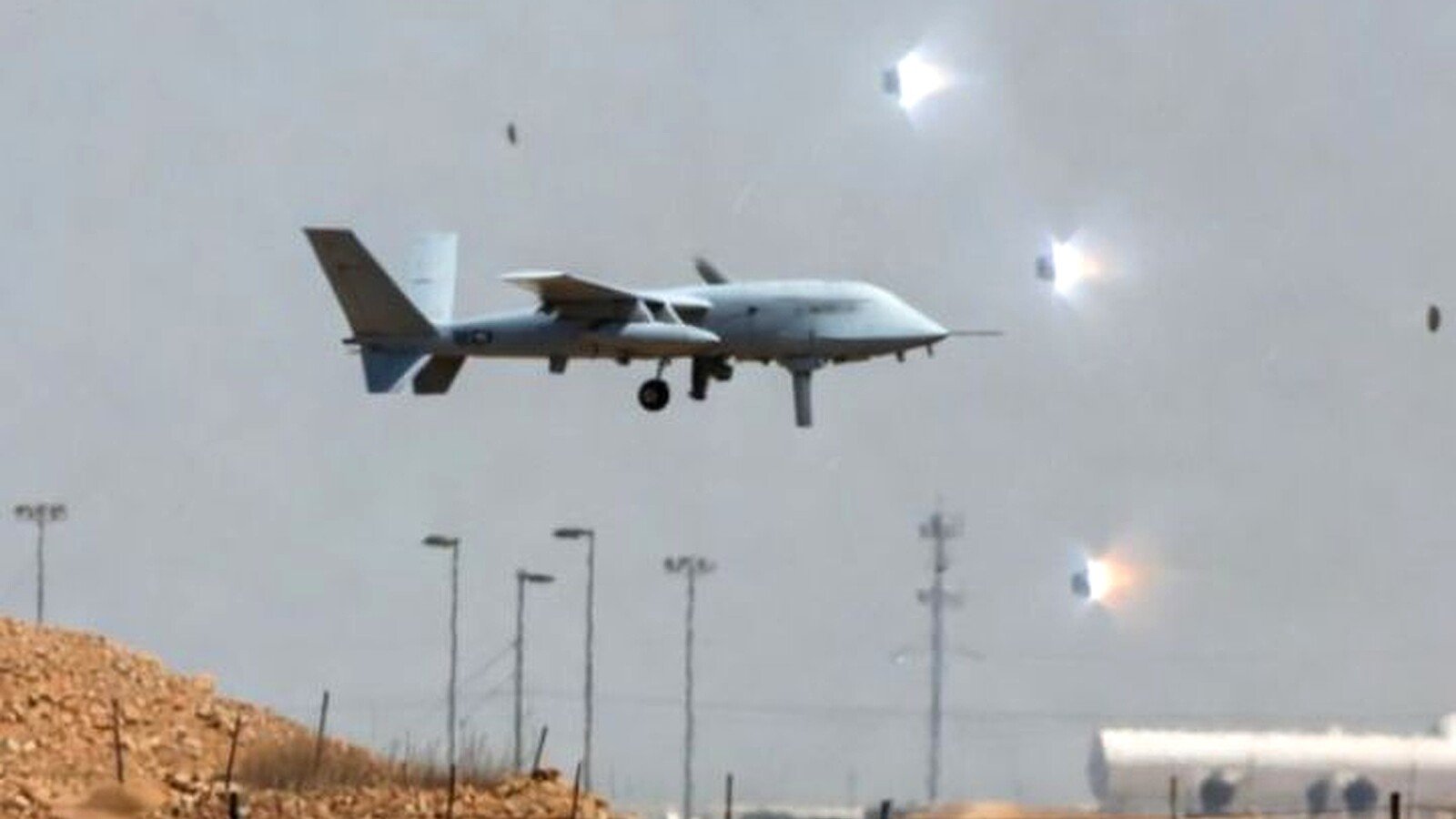
Witness accounts from Dubai described streaks of missiles lighting up the night sky before exploding mid-air, most likely from successful interceptions by advanced air defence systems.
In the UAE capital Abu Dhabi, several witnesses including international correspondents counted up to five rapid booms that caused windows to vibrate and sent plumes of smoke rising offshore.
Qatar’s capital Doha experienced at least six powerful blasts, with thick black smoke observed rising from southern industrial areas near energy facilities.
Bahrain’s Ministry of Interior activated emergency alerts, closed key bridges such as the Shaikh Khalifa bin Salman Bridge and urged residents to use main roads only when necessary while heading to safe locations.
The explosions form part of Iran’s ongoing response to coordinated US and Israeli military operations that reportedly killed Iran’s supreme leader and other top officials, dramatically widening the conflict.
Iran’s Islamic Revolutionary Guard Corps has claimed responsibility for launching hundreds of ballistic missiles and drones targeting US military assets hosted in Gulf states.
In Qatar, authorities confirmed that Iran fired around 65 missiles and 12 drones, with most intercepted but causing at least eight injuries including one in critical condition.
QatarEnergy, the state-owned energy giant, halted liquefied natural gas production at key sites in Ras Laffan and Mesaieed following reported drone strikes on facilities including a power plant water tank.
The suspension has already driven spikes in global gas prices, highlighting the vulnerability of energy infrastructure in the region.
The UAE Ministry of Defence stated that the country faced a barrage of 137 missiles and 209 drones, with air defences intercepting many but debris causing localised damage including fires at prominent sites.
Reports indicate civilian areas were affected, with a luxury hotel in Dubai catching fire and apartment towers suffering shattered windows from shockwaves.
Bahrain confirmed direct strikes inside its territory, including on a service centre linked to the US Navy’s Fifth Fleet headquartered in Manama.
Smoke was seen rising near the Juffair naval base, home to American forces, as sirens blared across the capital.
Kuwait and Jordan also reported interceptions of incoming projectiles, with blasts heard near US facilities and embassies.
The attacks have disrupted air travel severely, forcing closures of airspace in the UAE, Qatar, Bahrain and neighbouring countries.
Major airlines including Emirates and Etihad cancelled flights worldwide, stranding thousands and compounding economic pressures.
Schools in Bahrain and Qatar shifted to remote learning as a precautionary measure amid ongoing threats.
Regional analysts note that the strikes challenge the long-held perception of Gulf states as secure havens insulated from direct conflict.
Home to critical US bases such as Al Udeid in Qatar, the largest American military installation in the Middle East, these nations have now become frontline targets.
The Gulf Cooperation Council convened virtually, with foreign ministers from the UAE, Bahrain, Saudi Arabia, Oman, Qatar and Kuwait reviewing the damage and pledging coordinated defence measures.
Saudi Arabia, which also reported explosions in Riyadh, vowed to take all necessary steps to protect its sovereignty.
Iran’s foreign ministry described the operations as targeting legitimate military sites in retaliation for aggression, warning of further consequences.
Casualty figures remain fluid but preliminary reports from across the affected countries indicate at least four deaths and over 100 injuries, largely from falling debris and secondary impacts.
The widening conflict has raised global alarm over potential prolonged warfare disrupting oil and gas supplies through the Strait of Hormuz.
International calls for de-escalation have intensified, though Tehran has rejected negotiations while attacks persist.
As sirens continue to sound intermittently in Gulf capitals, residents brace for further developments in what has become a multi-front regional crisis.