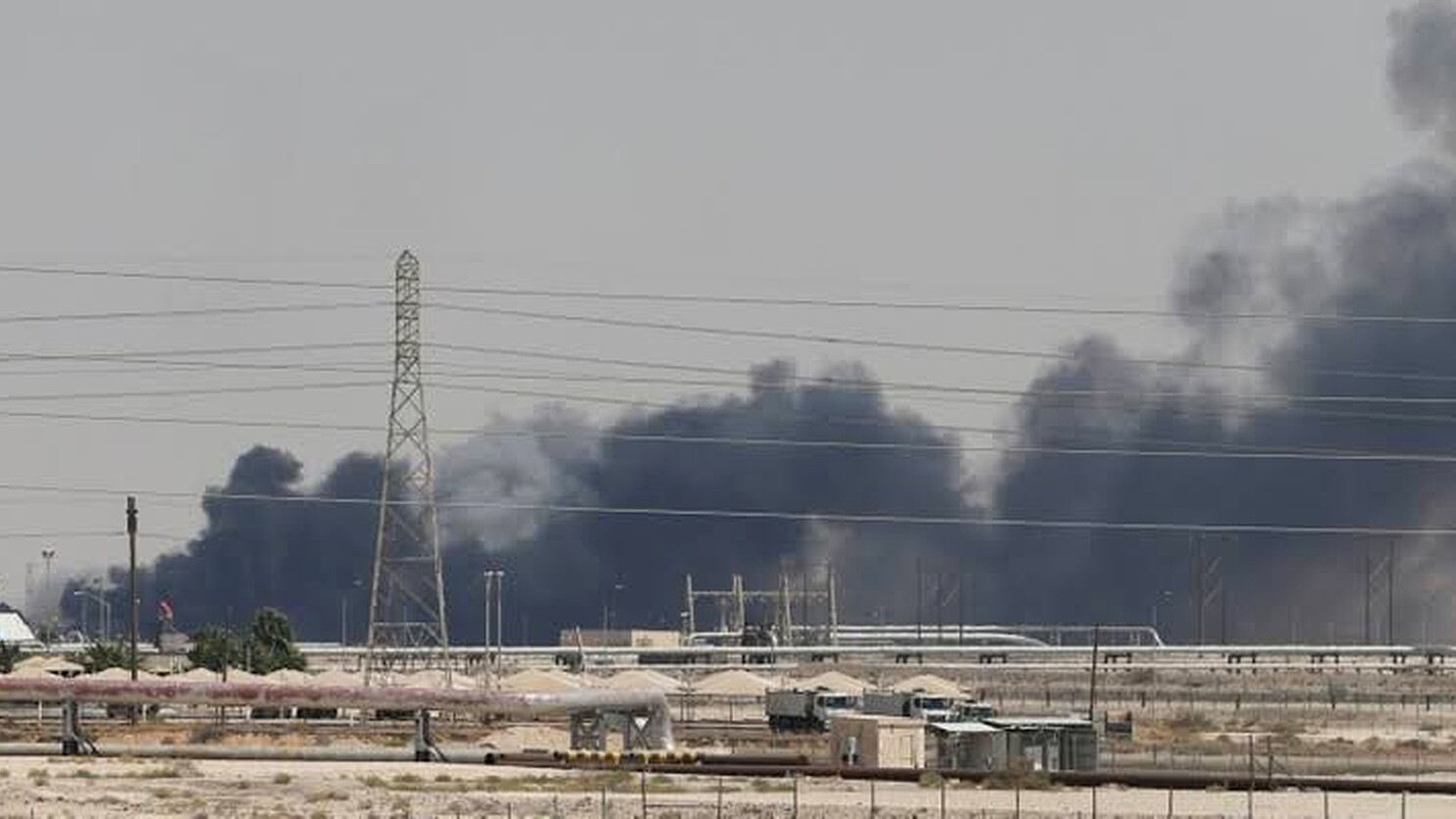




ISLAMABAD: An Iranian drone strike targeted Saudi Aramco’s Ras Tanura refinery on Monday, forcing the temporary shutdown of the kingdom’s largest domestic refining facility and marking a dramatic expansion of the ongoing Middle East conflict.
The incident occurred early on March 2, 2026, as part of Iran’s retaliatory actions following joint U.S.-Israeli strikes on Iranian targets that reportedly resulted in the death of Supreme Leader Ayatollah Ali Khamenei and other senior officials.
Ras Tanura, located on Saudi Arabia’s eastern Gulf coast near Dammam, processes approximately 550,000 barrels per day and serves as a vital export terminal for Saudi crude oil to global markets, including Asia and Europe.
Multiple international news agencies, including Reuters and Bloomberg, cited industry sources confirming the drone strike led to a limited fire at the site, which Saudi authorities quickly contained with no reported casualties.
Saudi defence ministry officials stated that air defences intercepted two incoming drones, with falling debris from the interception causing the isolated blaze.
The refinery was halted as a precautionary measure to allow for damage assessment and safety evaluations, though supplies to local markets remain unaffected according to official statements.
This development represents a significant escalation, drawing Saudi Arabia deeper into the hostilities that began with U.S. and Israeli operations against Iran over the weekend.
Analysts from risk intelligence firm Verisk Maplecroft described the attack as placing Gulf energy infrastructure directly in Iran’s crosshairs, potentially shifting regional alliances toward greater involvement in defensive or offensive actions alongside the United States and Israel.
The strike forms part of a broader wave of Iranian drone and missile operations targeting several Gulf states, including reported incidents in Abu Dhabi, Dubai, Doha, Manama, and Oman’s Duqm port.
These actions have disrupted major shipping routes and heightened fears over the security of the Strait of Hormuz, a critical chokepoint for global oil transit.
Global oil markets reacted sharply to the news, with Brent crude futures surging by around 9 to 10 percent to approximately $80 per barrel, reflecting concerns over potential supply disruptions in the Persian Gulf.
The closure of Ras Tanura adds to concurrent shutdowns elsewhere, including major Israeli gas fields such as Leviathan and precautionary halts in Iraqi Kurdistan oil output.
Saudi Aramco, the state-owned energy giant, has not issued an immediate detailed comment, but sources emphasized that the situation remains under control.
Social media footage circulated widely showing smoke rising from the facility, corroborating reports of the incident despite official descriptions attributing the fire to intercepted debris rather than a direct hit.
The attack follows a pattern of tit-for-tat escalations in the region, with Iran framing its operations as legitimate retaliation for the targeting of its leadership and nuclear-related sites.
Saudi Arabia has condemned the strike as an act of aggression, summoning the Iranian ambassador in response to earlier incidents and affirming its right to defend national interests.
Experts warn that continued targeting of energy infrastructure could lead to prolonged volatility in oil prices and broader economic repercussions for energy-dependent economies worldwide.
The involvement of Gulf monarchies in the conflict risks transforming a bilateral U.S.-Israel-Iran confrontation into a wider regional crisis.
Diplomatic channels remain strained, with Iran’s security officials rejecting calls for de-escalation talks amid heightened military postures.
As assessments continue at Ras Tanura, the international community watches closely for signs of further retaliatory measures or efforts to restore stability in one of the world’s most vital energy corridors.
The full extent of damage and the timeline for resuming full operations at the refinery are yet to be determined, underscoring the fragility of global energy security in times of geopolitical tension.
Saudi Arabia’s precautionary shutdown highlights the kingdom’s emphasis on protecting its critical infrastructure amid unprecedented threats to its oil sector.
This event underscores the interconnected nature of regional security and global energy markets, where a single strike can reverberate far beyond immediate borders.