



ISLAMABAD: Pakistan has firmly conditioned any sustainable ceasefire with Afghanistan on the handover or neutralization of key Tehrik-e-Taliban Pakistan (TTP) leaders, including Noor Wali Mehsud and Hafiz Gul Bahadur, as cross-border tensions continue to escalate along the Durand Line.
Recent developments highlight Afghanistan’s diplomatic outreach to regional powers for de-escalation, starting with Arab nations such as Qatar, Saudi Arabia, and Turkey, which mediated a fragile truce in late 2025. More recently, China has publicly urged both sides to exercise restraint and achieve an immediate ceasefire, expressing deep concern over the violence and offering to facilitate dialogue through its channels.
Pakistan’s position remains unwavering. Officials have repeatedly stated that lasting peace requires verifiable action against TTP elements operating from Afghan soil. Noor Wali Mehsud, the TTP emir, has been a focal point of Pakistani operations, surviving an apparent airstrike in Kabul in October 2025. Hafiz Gul Bahadur, leading an affiliated militant faction, has also been targeted in strikes amid accusations that Afghanistan provides sanctuary to these groups.
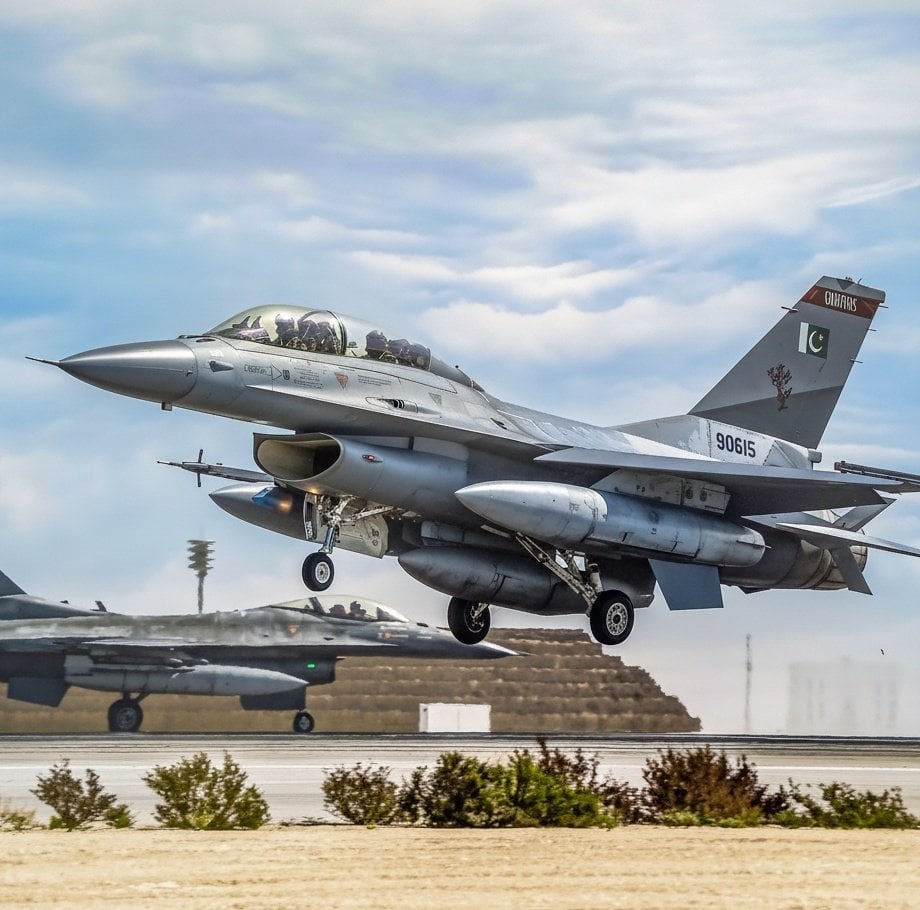
The current surge in hostilities traces back to February 2026 airstrikes by the Pakistan Air Force in Afghan provinces including Nangarhar, Paktika, and Khost, aimed at alleged TTP and Islamic State-Khorasan Province camps. These actions followed terrorist incidents in Pakistan, including attacks in Islamabad, Bajaur, and Bannu, which Islamabad attributes to militants based in Afghanistan.
In retaliation, Afghan forces launched large-scale operations against Pakistani positions along the border late February, claiming to capture outposts and inflict casualties. Pakistan responded with further strikes, including on Kabul and Kandahar, prompting Defence Minister Khawaja Mohammad Asif to declare an “open war” status, signaling that patience with Kabul had run out.
Amid this volatility, discussions in Pakistani security circles have included the prospect of establishing a limited buffer zone inside Afghan territory to neutralize launch pads used for attacks on Pakistan. Reports suggest considerations of 4-8 km or up to 15-20 km in specific hotspots as a defensive measure if diplomatic efforts fail. However, no official confirmation exists of active implementation or unilateral creation of such a zone on the ground.
Instead, military engagements have involved airstrikes, artillery exchanges, and claims of capturing posts, with both sides reporting casualties and denying civilian targeting. Pakistan claims significant militant losses, while Afghanistan reports civilian harm and violations of sovereignty.
The TTP, distinct from the Afghan Taliban but sharing ideological ties, has escalated attacks inside Pakistan since the Afghan Taliban’s 2021 return to power. Islamabad accuses Kabul of failing to rein in these groups, despite shared history and mediation attempts. Previous ceasefires, including one brokered in October 2025 by Qatar, Saudi Arabia, and Turkey, proved short-lived, with low-level incidents persisting.
China’s recent involvement underscores broader regional stakes. Beijing, as a neighbor with interests in stability for projects like the China-Pakistan Economic Corridor, has engaged both capitals to prevent further bloodshed and promote dialogue. Iran and Russia have similarly called for restraint.
Analysts note that without concrete steps against TTP leadership, escalation risks remain high. Pakistan views action against these militants as essential for border security, while Afghanistan denies harboring them and accuses Pakistan of aggression.
The Durand Line dispute compounds the crisis, with Afghanistan never formally recognizing the boundary. Tribal dynamics, ethnic Pashtun ties, and mutual accusations of interference sustain the cycle of violence.
As clashes test fragile truces, international calls for de-escalation grow. The United Nations has urged protection of civilians and diplomatic resolution. The situation threatens regional stability, trade routes, and refugee flows, with both nations facing internal pressures from militant threats.
Pakistan maintains that durable peace hinges on Afghanistan addressing the TTP presence decisively. Until such steps materialize, border tensions are likely to persist, with risks of further military actions.
The evolving dynamics reflect deeper strategic divergences, where security imperatives clash with sovereignty concerns in a historically fraught relationship.