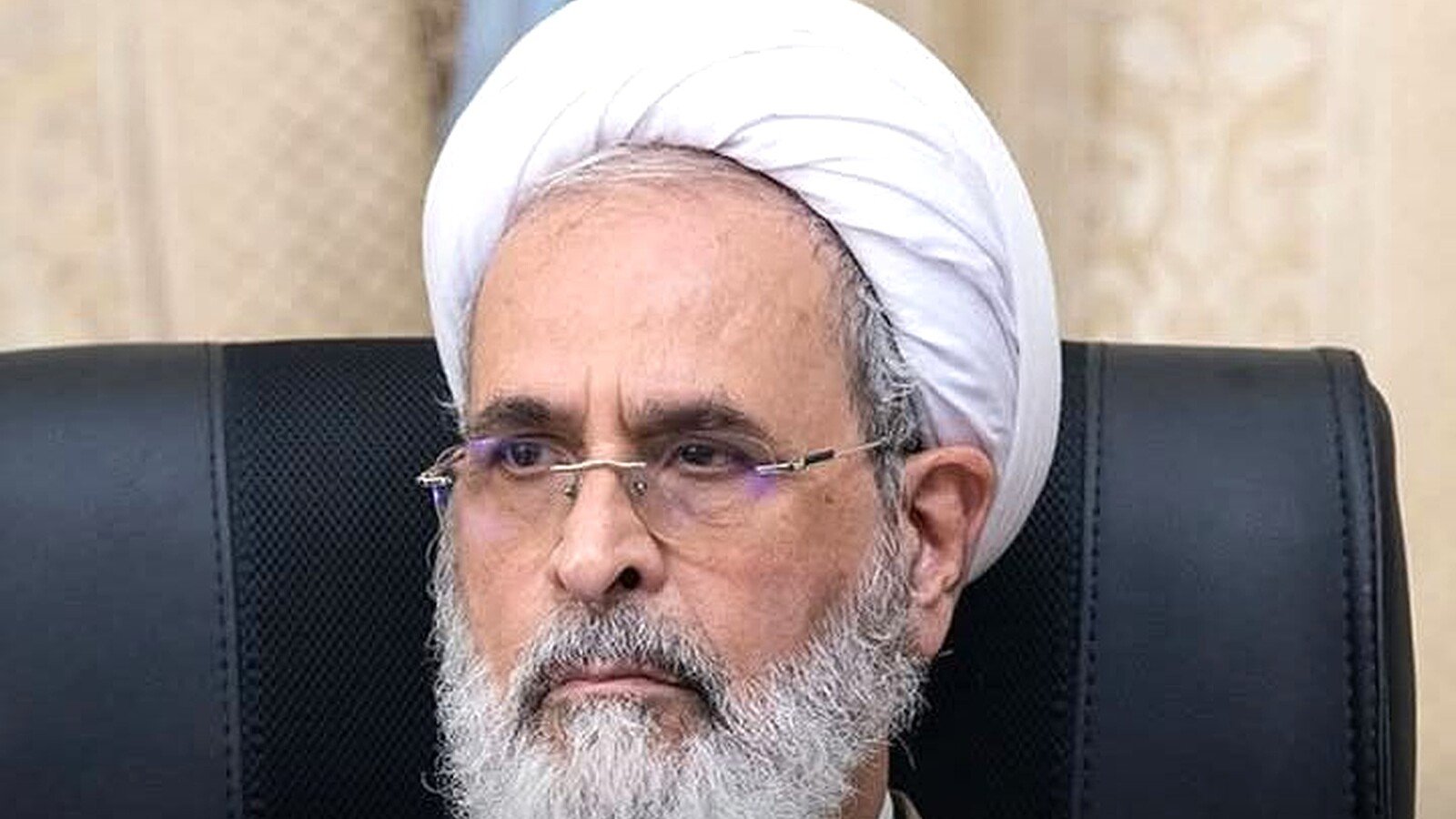




ISLAMABAD: Iran has moved swiftly to establish interim governance structures following the death of Supreme Leader Ayatollah Ali Khamenei, with senior cleric Ayatollah Alireza Arafi appointed as a key member of a temporary Leadership Council.
The announcement came on Sunday from the spokesperson of Iran’s Expediency Discernment Council, confirming Arafi’s selection to the three-person body. This council is tasked with exercising the powers of the supreme leader until the Assembly of Experts elects a permanent successor.
Khamenei, who held the position since 1989, died on February 28, 2026, during joint US-Israeli airstrikes targeting high-level Iranian officials in Tehran. His death at age 86 marked the end of an era defined by regional influence, nuclear ambitions, and domestic suppression of dissent.
The interim Leadership Council comprises President Masoud Pezeshkian, Judiciary Chief Gholamhossein Mohseni Ejei, and Ayatollah Alireza Arafi as the jurist or clerical representative. This arrangement aligns with Article 111 of Iran’s Constitution, which outlines procedures for leadership transitions in the absence of a supreme leader.
Arafi, aged 67, brings significant institutional weight to the council. He serves as a member of the Guardian Council, the powerful body responsible for vetting legislation and election candidates to ensure compatibility with Islamic principles.
Additionally, Arafi holds positions in the Assembly of Experts, the 88-member clerical panel constitutionally mandated to select and supervise the supreme leader. His dual roles position him as a bridge between oversight mechanisms and potential long-term succession considerations.
Reports indicate Arafi’s appointment was formalized through the Expediency Discernment Council, an arbitration body chaired traditionally by senior figures to resolve disputes between parliament and the Guardian Council.
The Expediency Council spokesperson, Mohsen Dehnavi, stated via social media that the selection adhered strictly to constitutional protocols. He emphasized the need for swift continuity to maintain state functions amid external pressures.
President Pezeshkian, a reformist figure elected in 2024, represents the executive branch on the council. His inclusion signals an attempt to balance factional interests during this volatile period.
Chief Justice Mohseni Ejei, known for his hard-line stance on judicial matters, completes the trio. His presence underscores the enduring influence of conservative elements within Iran’s power structure.
The council’s formation occurs against a backdrop of heightened regional tensions. The US-Israeli strikes that killed Khamenei also targeted other senior officials, escalating the ongoing shadow war between Iran and its adversaries.
Iranian state media confirmed the start of a 40-day mourning period, a traditional observance following the death of high religious figures. Public statements from officials have condemned the killing as a grave violation of sovereignty.
Analysts note that while the interim council manages day-to-day supreme leader duties, ultimate authority for choosing a permanent successor rests with the Assembly of Experts. This body, composed entirely of clerics, convenes periodically but can be summoned urgently in crises.
Arafi’s background includes leadership in Iran’s seminary system and oversight of religious education. His conservative credentials align with the revolutionary ethos established by the Islamic Republic’s founders.
Observers highlight that the council’s composition reflects a deliberate mix of reformist and hard-line voices. Pezeshkian’s reformist leanings contrast with the more traditional positions of Ejei and Arafi.
The transition arrives at a critical juncture for Iran’s domestic stability. Recent years have seen widespread protests over economic hardship and social restrictions, challenging the clerical establishment’s legitimacy.
Externally, Iran’s support for proxy groups across the Middle East has drawn sustained opposition from Washington and Tel Aviv. The strikes that claimed Khamenei’s life underscore the risks of escalation.
Constitutional experts point out that the interim council holds limited tenure. Its primary role involves preserving continuity in command of the armed forces, foreign policy direction, and oversight of key institutions.
No timeline has been publicly set for the Assembly of Experts to convene and deliberate on a new supreme leader. Historical precedents suggest such processes can take weeks or months, depending on consensus among clerical elites.
Arafi’s elevation draws attention due to his relative visibility in recent years. As a Guardian Council member since 2019, he has played a role in disqualifying candidates deemed insufficiently loyal to the system.
The Leadership Council’s immediate priorities likely include coordinating responses to ongoing military threats and maintaining internal cohesion. Statements from Iranian officials have vowed resilience and retaliation if necessary.
This development represents one of the most significant power shifts in the Islamic Republic since Khamenei’s ascension following Ayatollah Ruhollah Khomeini’s death in 1989.
As Iran navigates this uncharted phase, the interim council’s decisions will shape the trajectory of both domestic governance and foreign relations in the coming weeks.