



ISLAMABAD: Pakistan’s military has intensified operations along the Afghan border, advancing towards the establishment of a buffer zone to counter persistent security threats from militant groups operating from Afghan territory.
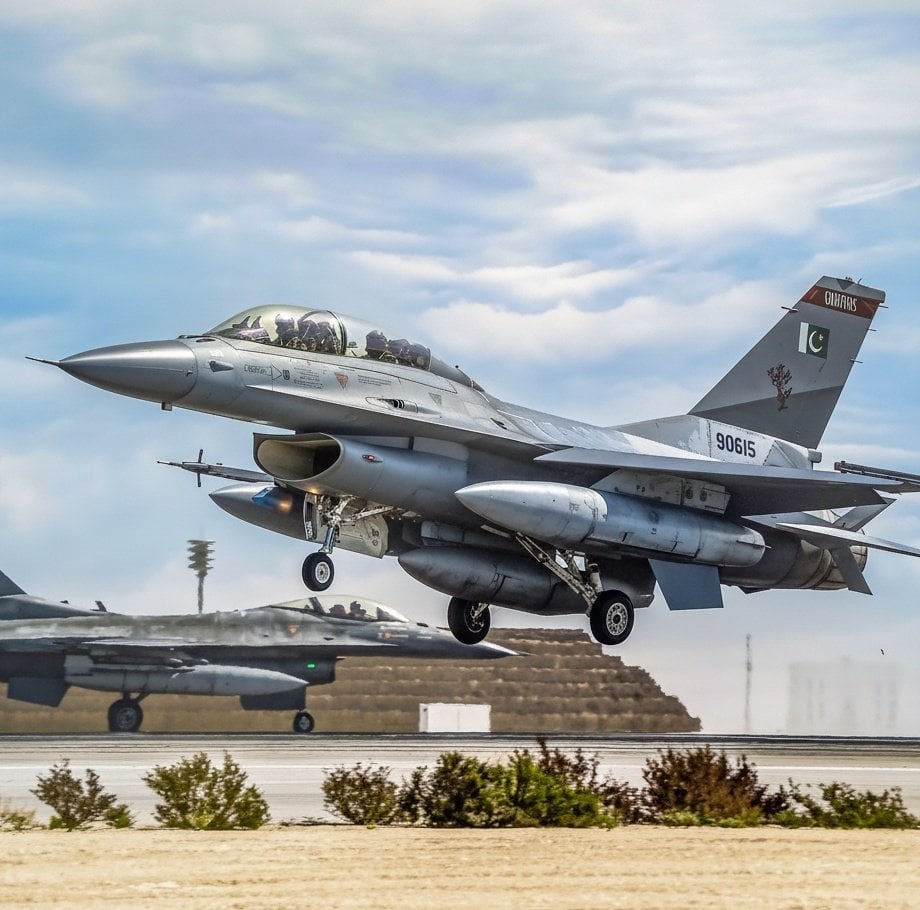
Recent developments indicate a strategic shift as Islamabad responds to escalating cross-border violence. The Pakistan Air Force launched new airstrikes targeting alleged militant hideouts in Afghan provinces, including Nangarhar, Paktika and Khost, as part of ongoing efforts to neutralize Tehreek-e-Taliban Pakistan (TTP) sanctuaries.
Defence analysts note that the proposed buffer zone, potentially spanning 20 to 35 kilometres inside Afghan territory in select sectors, aims to create a demilitarized or controlled area to prevent infiltrations and attacks into Pakistan. Social media reports and unverified claims suggest Pakistani forces have already established control over areas up to 30-35 km in depth in certain border regions following ground operations and captures of Afghan check posts.
The escalation traces back to repeated accusations by Pakistan that the Taliban-led Afghan government provides safe havens to TTP militants. Since the Taliban’s return to power in 2021, attacks attributed to the TTP have surged in Pakistan, with notable incidents including suicide bombings in Islamabad, Bajaur and Bannu prompting retaliatory actions.
In February 2026, tensions peaked when Pakistan conducted airstrikes under operations such as those targeting TTP camps, claiming to have eliminated dozens of militants. Afghan forces responded with large-scale ground offensives, capturing several Pakistani outposts and inflicting casualties, according to Taliban statements.
Pakistan’s defence minister declared an “open war” status following exchanges of fire and airstrikes reaching deeper into Afghanistan, including strikes on Kabul and Kandahar. Official Pakistani figures report significant militant losses, with over 200 fighters killed or injured in recent engagements, while denying major setbacks on its side.
The Durand Line, the 2,640-kilometre disputed border drawn in 1893, remains at the heart of the conflict. Afghanistan has historically rejected its legitimacy, while Pakistan has invested heavily in fencing and border management to curb smuggling, migration and militant movements.
Military sources indicate that the buffer zone concept draws from past counter-insurgency experiences, such as operations in the tribal areas that reduced TTP activity temporarily after 2016. The current push includes enhanced surveillance, artillery support and potential ground incursions to secure forward positions.
Casualty claims vary sharply between the two sides. Afghan officials report dozens of Pakistani soldiers killed and multiple posts overrun in retaliatory actions, while Pakistan’s Inter-Services Public Relations (ISPR) asserts heavy tolls on Taliban and affiliated groups, including destruction of military installations.
International observers express concern over the risk of broader regional instability. The United Nations has urged restraint, while analysts warn that prolonged clashes could displace thousands more civilians along the porous frontier and attract involvement from other militant factions like Islamic State-Khorasan Province.
Pakistan maintains that its actions remain defensive, aimed at protecting national security rather than territorial expansion. Officials emphasize that the buffer zone would be temporary and tied to verifiable cessation of militant activities from Afghan soil.
Diplomatic channels have seen limited progress, with past ceasefires mediated by regional actors proving fragile. The latest flare-up follows a pattern of tit-for-tat violence, including drone strikes and artillery duels, underscoring the deep mistrust between Islamabad and Kabul.
Security experts highlight the terrain’s role in shaping operations. The rugged, mountainous border favors guerrilla tactics, complicating sustained control and increasing reliance on air power for both sides.
As operations continue, Pakistan’s military leadership has reiterated commitment to eradicating terrorism at its roots, linking border security to domestic stability. The establishment of a functional buffer zone could alter the dynamics of cross-border militancy, though it risks further straining bilateral ties already at a low point.
The situation remains fluid, with clashes reported in sectors like Zazi Maidan and Terzi. Both governments have mobilized additional forces, signaling that de-escalation depends on addressing core grievances over militant sanctuaries and border recognition.