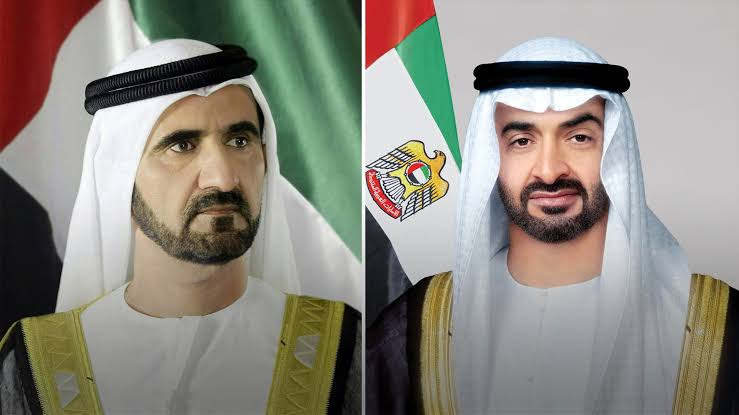




Senior journalist Najam Sethi has highlighted a significant geopolitical dynamic in Pakistan’s relations with Gulf states. Proximity to Saudi Arabia increasingly positions Pakistan in opposition to Qatar and the United Arab Emirates. Recent developments indicate that Qatar and the UAE are aligning against both Pakistan and Saudi Arabia amid shifting regional alliances.
ISLAMABAD: Senior journalist Najam Sethi observed in a recent program on Dunya News that Pakistan’s deepening ties with Saudi Arabia create inherent tensions with other Gulf powers, particularly Qatar and the United Arab Emirates.
The statement reflects broader regional realignments triggered by security concerns and strategic divergences. Pakistan’s alignment with Riyadh has intensified following the Strategic Mutual Defense Agreement signed in September 2025. This pact treats any aggression against one nation as an attack on both, incorporating collective security commitments.
The agreement emerged in the aftermath of Israeli airstrikes on Doha in September 2025, which targeted Hamas leadership and heightened Gulf states’ anxieties over external threats and the reliability of United States security guarantees. Saudi Arabia sought to diversify its defense partnerships beyond traditional reliance on Washington.
Pakistan, possessing nuclear capabilities and a robust military, offered Riyadh a credible deterrent. The pact has been described by analysts as a step toward institutionalized bilateral security, potentially expandable to other partners.
Qatar, hosting Hamas’s political office and maintaining close United States ties, responded to the strikes by reinforcing its own defense arrangements with Washington. This included assurances from the US administration emphasizing Qatar’s security.
The United Arab Emirates pursued a different path, emphasizing flexible hedging strategies over rigid commitments. Abu Dhabi has maintained strong economic and defense links with Pakistan but diverged from Riyadh on multiple fronts, including Yemen, Sudan, and approaches to Israel.
Tensions between Saudi Arabia and the UAE escalated into public confrontations by early 2026. Disputes over Yemen’s future governance, where Emirati-backed forces clashed with Saudi preferences, underscored the rift. Reports indicated limited communication between top officials and state-backed media campaigns criticizing each other.
Pakistan navigates this divide carefully. Historical defense cooperation exists with all Gulf states through joint military committees and exercises. However, the 2025 pact with Saudi Arabia signals a strategic tilt toward Riyadh, potentially complicating relations with Abu Dhabi and Doha.
Economic dependencies add complexity. The UAE remains a major investor and trade partner for Pakistan, with significant expatriate remittances. Qatar provides energy supplies and investment opportunities. Saudi Arabia offers substantial financial aid and employment for Pakistani workers.
Analysts note that Pakistan’s closer alignment with Saudi Arabia risks alienating Qatar and the UAE, who may perceive Islamabad’s commitments as favoring one side in intra-Gulf rivalries. This could manifest in reduced economic support or diplomatic friction.
Regional security architecture appears fragmented. While the Gulf Cooperation Council activated joint defense mechanisms post-2025 incidents, internal divergences persist. Proposals for broader Arab-Islamic defense frameworks stalled due to differing priorities among members.
Saudi Arabia explores extensions of its pact, with interest from Turkey and others. Such developments could create rival blocs, contrasting with the UAE’s preference for optionality and bilateral arrangements, including with India.
Pakistan’s position underscores the challenge of balancing Gulf relations. Enhanced defense ties with Saudi Arabia bolster deterrence against shared threats but invite scrutiny from other powers wary of Riyadh’s growing influence.
The dynamic illustrates how external shocks, including perceived shifts in US policy, accelerate realignments. Gulf states increasingly pursue autonomous strategies to safeguard interests amid uncertainties.
Najam Sethi’s commentary captures this paradox: greater proximity to Saudi Arabia correlates with heightened opposition from Qatar and the UAE. As these powers coalesce informally against the Pakistan-Saudi axis, Islamabad faces delicate diplomatic maneuvering to preserve multifaceted Gulf engagements.
The evolving situation demands nuanced policy from Pakistan to mitigate risks while capitalizing on strategic gains from the Riyadh partnership. Regional stability hinges on managing these tensions without escalation into broader confrontations.