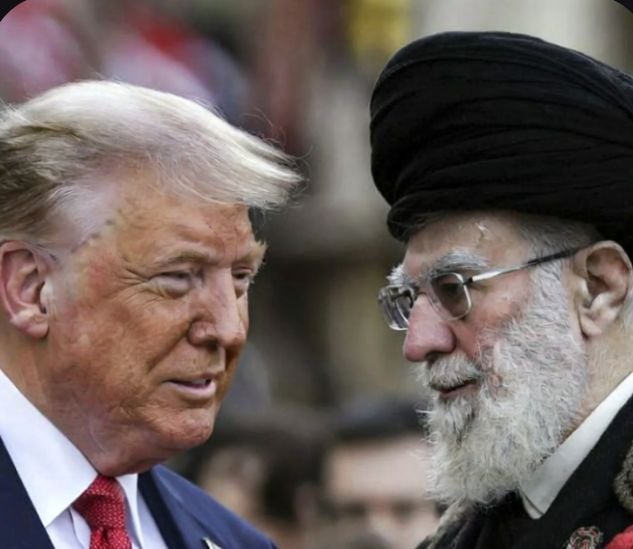




ISLAMABAD: Iran’s Deputy Foreign Minister Majid Takht-Ravanchi has indicated that Tehran is prepared to consider meaningful compromises on its nuclear programme provided the United States engages seriously on the lifting of economic sanctions. In a detailed interview with the BBC published on Sunday, the senior diplomat emphasised that while Iran remains firm on certain red lines, flexibility exists if reciprocal steps are taken by Washington. This development comes as indirect talks between the two sides resume, with a second round scheduled for Tuesday in Geneva, mediated by Oman. The initial discussions held earlier this month in Oman were described by Takht-Ravanchi as moving in a broadly positive direction, though he cautioned that it remains premature to draw firm conclusions about the overall trajectory.
The renewed diplomatic engagement follows years of tension exacerbated by the United States’ withdrawal in 2018 from the 2015 Joint Comprehensive Plan of Action (JCPOA) during President Donald Trump’s first term. That accord, hailed as a landmark achievement of the Obama administration, imposed strict limits on Iran’s nuclear activities in exchange for phased sanctions relief. Since the US exit, Iran has progressively reduced its compliance, enriching uranium to levels approaching weapons-grade and expanding its stockpile. Current estimates place Iran’s highly enriched uranium holdings at significant quantities, raising international concerns despite Tehran’s repeated assertions that its programme serves peaceful purposes only and that it does not seek nuclear weapons.
Takht-Ravanchi highlighted Iran’s willingness to discuss curbs on its nuclear activities, including potential measures related to its stockpile of uranium enriched to around 60 per cent purity. He referenced a recent statement from Iran’s atomic energy chief, who suggested that dilution of the most highly enriched material could be considered in return for the complete removal of financial sanctions. This proposal underscores Tehran’s strategic flexibility, aimed at demonstrating goodwill while protecting core interests. However, the deputy minister firmly rejected any demand for zero uranium enrichment on Iranian soil, a position long viewed by Washington as a potential pathway to weaponisation. Iran maintains that domestic enrichment is essential for civilian energy and medical isotope production.
The upcoming Geneva talks will involve a US delegation reportedly including envoys Steve Witkoff and Jared Kushner, with Omani facilitators bridging the indirect format. Sources indicate that discussions will focus narrowly on nuclear parameters and sanctions relief, as Iran has consistently ruled out linking the issue to its ballistic missile capabilities or regional proxy activities. Takht-Ravanchi described missiles as defensive necessities not open to negotiation, reflecting Tehran’s broader stance that nuclear diplomacy must remain compartmentalised. This approach contrasts with US preferences under the current administration, which has emphasised comprehensive restraints including non-nuclear elements, though recent signals suggest a pragmatic focus on preventing escalation.
Economic pressures from prolonged sanctions have severely impacted Iran’s economy, contributing to currency depreciation, inflation, and domestic unrest. The rial has faced significant volatility, exacerbating challenges in trade and access to global financial systems. Iranian officials argue that meaningful sanctions relief is indispensable for any sustainable agreement, positioning it as a prerequisite rather than a concession. Takht-Ravanchi placed the onus on Washington, stating that the “ball is in America’s court” to demonstrate sincerity through concrete commitments. He expressed cautious optimism that genuine intent from the US side could pave the way for progress toward a mutually acceptable deal.
The broader regional context adds complexity to the negotiations. Heightened US military presence in the Middle East, including aircraft carrier deployments, accompanies diplomatic overtures, reflecting a dual strategy of pressure and engagement. President Trump has publicly warned of severe consequences should talks fail, describing potential outcomes as “very traumatic” for Iran while expressing hope for a successful resolution. Such rhetoric underscores the high stakes, as failure could precipitate military options that risk wider instability. Meanwhile, Iran has signalled readiness to respond firmly to perceived threats, though it prefers diplomacy under equitable terms.
Analysts note that the current round represents a critical juncture following previous stalled efforts. The 2025-2026 negotiation framework has seen intermittent progress amid mutual distrust, with both sides navigating domestic political constraints. For the US, a deal could de-escalate tensions and redirect focus elsewhere, while Iran seeks economic breathing room to stabilise its internal situation. Despite challenges, the resumption of talks in Oman and now Geneva indicates a shared interest in avoiding confrontation. Takht-Ravanchi reiterated that if sincerity prevails, an agreement pathway exists, though expectations remain tempered given historical precedents.
The international community watches closely, as a revived accord could restore verification mechanisms and reduce proliferation risks. European signatories to the original JCPOA have urged constructive engagement, while regional actors express varied concerns. Success will hinge on bridging divergent positions on enrichment limits, stockpile management, and sanctions timelines. As delegations prepare for Geneva, the coming days will test whether cautious optimism can translate into substantive advancements.