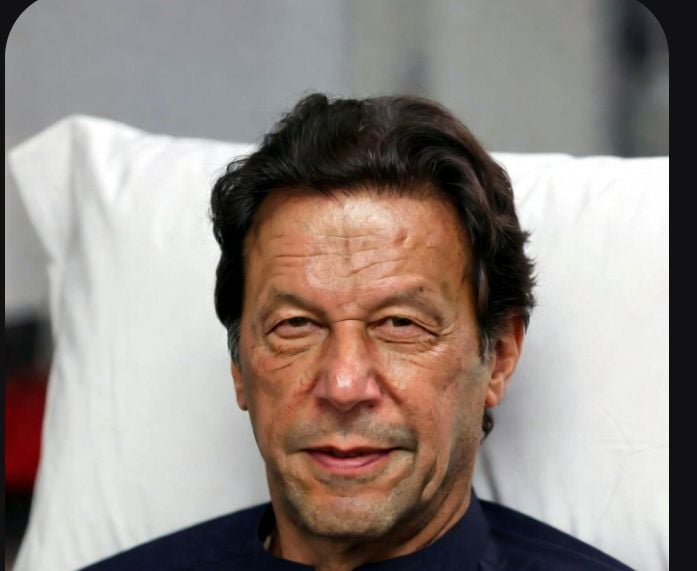




ISLAMABAD – The revelation stems from a detailed seven-page report submitted to the Supreme Court by Barrister Salman Safdar, appointed as amicus curiae, following his three-hour meeting with Khan at Adiala Jail on February 10. The report highlights that Khan, incarcerated since August 2023, reported a sudden and significant decline in vision, leaving him with only 15 percent sight in his right eye despite medical intervention including an injection. Khan informed Safdar that his vision was normal (6/6) until October 2025, after which blurring began, escalating to near-total impairment over three months.
Medical records referenced in the report, including one dated February 6, diagnosed the condition as right central retinal vein occlusion, a serious vascular issue involving a blood clot that damages the retina. Khan alleged that repeated complaints to the former jail superintendent were ignored for nearly three months, with only eye drops provided initially, contributing to the rapid deterioration. This has raised questions about the adequacy of medical care in high-security detention facilities and the state’s duty of care toward inmates facing prolonged incarceration.
The Supreme Court, hearing the case on Khan’s living conditions in a two-member bench led by Chief Justice Yahya Afridi and Justice Shahid Bilal Hassan, responded by ordering the formation of a medical board to independently examine Khan’s eye condition urgently, with directions for the government to facilitate access to his personal physicians and allow telephone contact with family members. The bench emphasized the gravity of the reported ocular impairment, underscoring the need for prompt and verifiable assessment before February 16 in some accounts of proceedings.
PTI leaders, including Senate Opposition Leader Allama Raja Nasir Abbas, have strongly condemned the situation, labeling it as criminal negligence by authorities and demanding immediate improvements in Khan’s detention environment. At a joint press conference, Abbas highlighted that the 73-year-old former premier cannot see properly with the limited remaining vision, accusing the government of deliberate disregard that exacerbated the condition. PTI has framed the episode as evidence of broader mistreatment during solitary confinement spanning over two years.
In contrast, representatives from the ruling Pakistan Muslim League-Nawaz have rejected these assertions, describing them as exaggerated and politically driven attempts to pressure the judiciary and mobilize public support. Government sources have pointed to Khan’s recent medical procedure at the Pakistan Institute of Medical Sciences in late January, where treatment was administered, though family members claimed lack of prior consultation. Officials maintain that appropriate care is being provided and that no official decision has been taken regarding any shift from Adiala Jail.
Speculation about relocating Khan to his Banigala residence in Islamabad, potentially declared a sub-jail for house arrest, has circulated in political circles and media discussions, particularly amid ongoing rumors of backchannel negotiations or health-based accommodations. Some analysts suggest this could alleviate overcrowding concerns or address humanitarian appeals, though Khan’s family, including sister Aleema Khan, has dismissed such reports as baseless, insisting he refuses any concessions that compromise his principles or fail to secure releases for other detained PTI workers. Previous government offers in late 2025 for similar arrangements were reportedly turned down.
Khan’s incarceration follows his removal from power via a no-confidence motion in April 2022, after which he has faced multiple cases involving allegations of corruption and terrorism. His detention in Adiala Jail has been marked by limited family access and solitary conditions, factors PTI argues have compounded health issues. International observers and rights groups have occasionally commented on prison standards in such high-profile cases, though no direct intervention has occurred.
The controversy has intensified public discourse on judicial independence, prisoner rights, and the intersection of politics with health in detention. With the Supreme Court’s directive for a specialist medical review, the coming days may clarify the extent of Khan’s condition and influence any future decisions on his custody arrangements. Political tensions remain high as both sides leverage the issue to advance their narratives ahead of evolving legal proceedings.