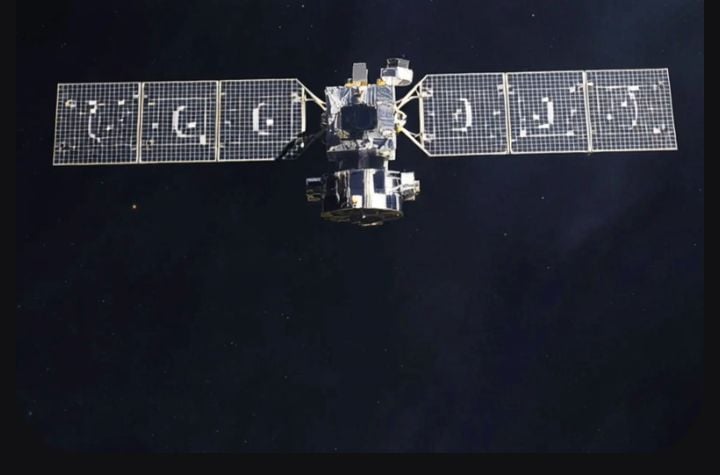


ISLAMABAD: A strategic intelligence puzzle has quietly emerged involving orbital movements and diplomatic announcements in South Asia. Three foreign-built satellites suddenly adjusted their orbital focus toward a sensitive coastline. This technological maneuver unfolded precisely as a major regional ceasefire took effect.
Defense Security Asia reported that Chinese orbital assets tracked the Gujarat maritime zone. This surveillance activity coincided directly with the May 2025 border ceasefire involving Pakistan. The timing of these high-altitude passes has caught the attention of regional security analysts.
What made these specific orbital tracks particularly notable for observers? The targeted zone houses critical national infrastructure belonging to India. Analysts quickly noted the overlapping timelines between diplomatic agreements and technical reconnaissance.
The monitored sector includes vital forward airbases and major maritime ports. It also encompasses the massive Jamnagar oil refinery complex. These strategic installations represent significant economic and operational hubs for neighboring India.
Why were these specific commercial and state-backed spacecraft repositioned at that exact moment? Orbital tracking data confirms the satellites maintained a clear view of the Arabian Sea approaches. Such high-resolution imaging capabilities offer detailed insights into regional naval movements.
Defense experts point out that modern intelligence gathering relies heavily on persistent space-based observation. The deployment of these three satellites suggests a coordinated effort to monitor regional stability. Observers are now questioning the broader implications of this high-tech surveillance overlay.
The May 2025 ceasefire was meant to bring immediate calm to tense international borders. Yet, the simultaneous orbital activity introduces a complex electronic dimension to the situation. Traditional diplomacy now appears inextricably linked to modern satellite monitoring capabilities.
How will regional military planners adjust their operational postures in response to these orbital revelations? The presence of these space assets highlights the growing transparency of modern battlefields. Every movement along sensitive coastlines is now subject to immediate orbital detection.
Diplomatic channels in Islamabad and other capitals have yet to officially comment on the satellite passes. Meanwhile, aerospace experts continue to analyze the telemetry data provided by tracking networks. The intersection of space technology and border diplomacy remains a rapidly evolving frontier.
What further technological surprises might emerge as regional dynamics continue to shift in the coming months?
Source: defencesecurityasia
More on this topic: Defence & Security →