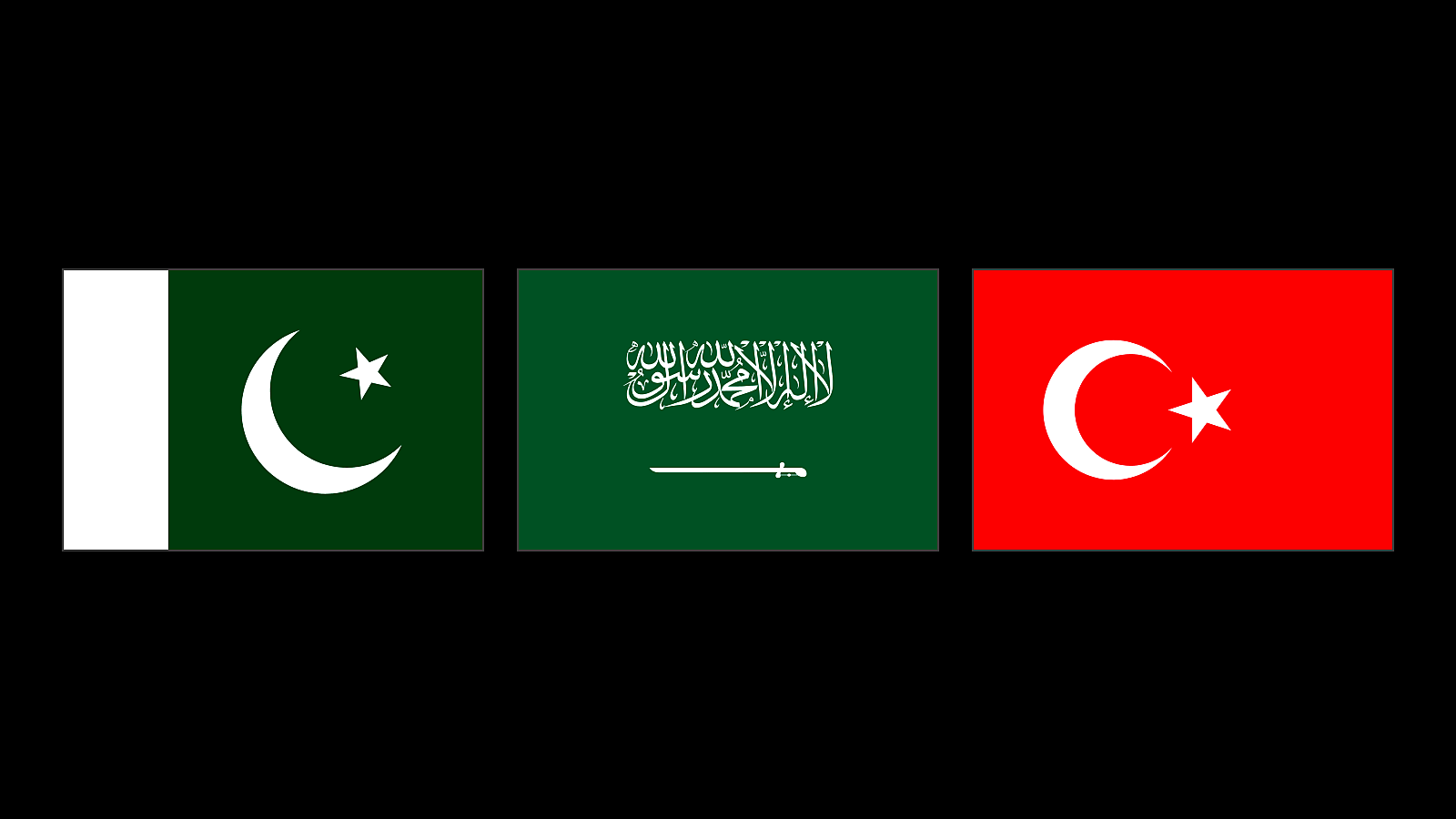


ISLAMABAD: Pakistan’s strategic leadership has garnered significant international praise following the recent high-level trilateral defence committee meeting in Islamabad. Officials from Riyadh and Ankara, alongside international analysts, lauded Pakistan’s proactive role in fostering regional stability.
This positive reception underscores Pakistan’s growing influence as a pivotal player in promoting peace and security across the broader region. The Makkah Joint Defence Agreement, signed in August 2026 by Saudi Arabia, Turkey, and Pakistan, forms the bedrock of this enhanced cooperation.
Strengthening Collective Security
The Makkah Joint Defence Agreement commits the three nations to treating an attack on one as an attack on all. This NATO-style mutual defence clause aims to strengthen collective deterrence against aggression.
General Asim Munir, Pakistan’s Chief of Defence Forces, has actively participated in meetings under this agreement, including discussions in Istanbul and Riyadh. These engagements focused on intelligence sharing, military coordination, and capability integration.
More on this topic: Pakistan Defence & Security · All topics
Turkish Foreign Minister Hakan Fidan indicated that Ankara and Islamabad are assessing support for Saudi Arabia in air defence, electronic warfare, and technical assistance. Such discussions highlight the practical implementation of the pact’s provisions.
Pakistan’s Aerospace Ambitions and Regional Impact
Pakistan is actively collaborating with Turkey on the KAAN fifth-generation stealth fighter jet project. This ambitious program aims to enhance Pakistan’s aerospace self-reliance and access to advanced fighter design.
Over 200 Pakistani engineers and aerospace specialists are integrated into the Turkish Aerospace Industries (TAI) engineering framework for KAAN. This partnership expands Pakistan’s access to 5th-generation stealth platform development.
The Pakistan Air Force (PAF) currently operates advanced 4th-generation platforms like the JF-17 Block 3 and J-10CE. The J-10C, equipped with the Chinese PL-15E missile, has demonstrated superior beyond-visual-range (BVR) capabilities.
Pakistan officially stated it shot down six Indian jets, including four Rafales, one Su-30MKI, and one MiG-29, during this period.
The PL-15E, with an officially disclosed range of 145 kilometers, was reportedly employed from distances exceeding 180 kilometers during the May 2025 engagement. This extended reach, combined with Pakistan’s airborne surveillance and command networks, provided a decisive tactical advantage.
In comparison, the IAF’s R-77 missile has a range of up to 110 km, and the Meteor missile on the Rafale is also a capable BVR weapon.
More on this topic: Defence & Security →