



ISLAMABAD: In a strategic development, former President Trump has approved a $700 million deal to supply American jet engines for Turkiye’s KAAN fighter jets.
This move marks a significant advancement in Turkiye’s military capabilities as it climbs to become the world’s fourth-largest producer of fifth-generation fighter jets.
The deal facilitates the initial production of the KAAN jets, bridging the gap until Turkiye’s indigenous TF35000 engine becomes operational.
The KAAN fighter jet is Turkiye’s ambitious project aimed at bolstering its aerospace and defense sector, which has rapidly evolved in recent years.
The American approval underscores a shift in defense alliances, potentially influencing geopolitical dynamics in the region.
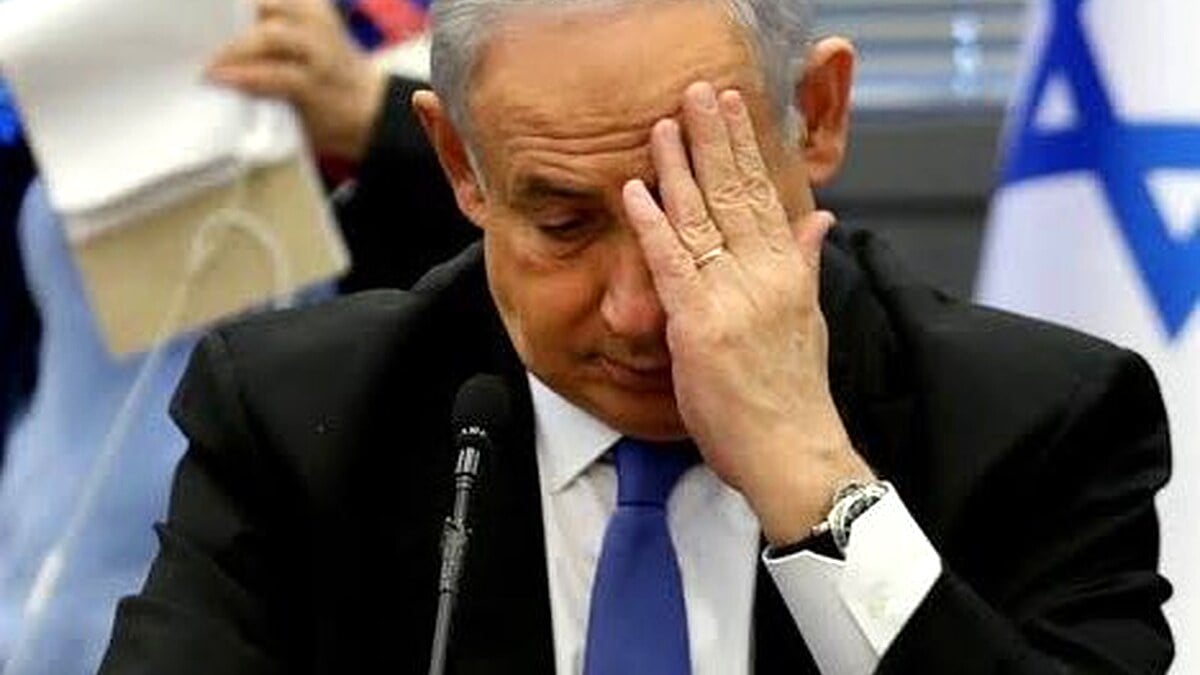
This partnership comes amid ongoing regional conflicts, where Israel has reportedly incurred monetary losses in its military engagements.
Observers note that Turkiye’s strengthened airpower capability could alter regional power balances, particularly affecting Israel’s strategic position.
Israel, traditionally a dominant military force in the region, might perceive this development as a potential challenge to its air superiority.
The collaboration between the U.S. and Turkiye illustrates a complex web of international relations influenced by defense needs and regional security considerations.
The KAAN fighter jet, equipped with state-of-the-art technology, represents Turkiye’s growing prowess in the global defense market.
This expansion into advanced jet production is part of Turkiye’s broader strategy to achieve self-sufficiency in defense technology.
Turkiye’s defense industry has been focusing on reducing dependencies on foreign defense equipment through indigenous innovations.
The U.S. approval is seen as a significant boost to Turkiye’s national defense ambitions, providing critical support during the transition to domestic engine production.
Analysts highlight that the immediate impact of this deal could be felt across the Middle East, with potential shifts in alliances and defensive postures.
The timing of this approval raises questions about the long-term implications for regional security and international diplomatic relations.
This is a developing story that will likely unfold through further geopolitical engagements and strategic maneuvers.
Future developments on this deal will be closely watched for their potential to reshape power dynamics in the volatile Middle East region.
The announcement of this substantial defense agreement underscores the intricate balance of economic interests and military strategies in international politics.